English

Mobile:+86-311-8081-2683
Email:info@ydcastings.com
English
bend connector
The Significance of Bend Connectors in Modern Engineering
In the ever-evolving landscape of engineering and construction, one component often overlooked yet critical to the functionality and durability of projects is the bend connector. These seemingly simple devices play a vital role in various applications, particularly in piping, electrical systems, and structural frameworks. Understanding the significance of bend connectors not only sheds light on their importance but also illustrates the engineering principles that make them indispensable.
What Are Bend Connectors?
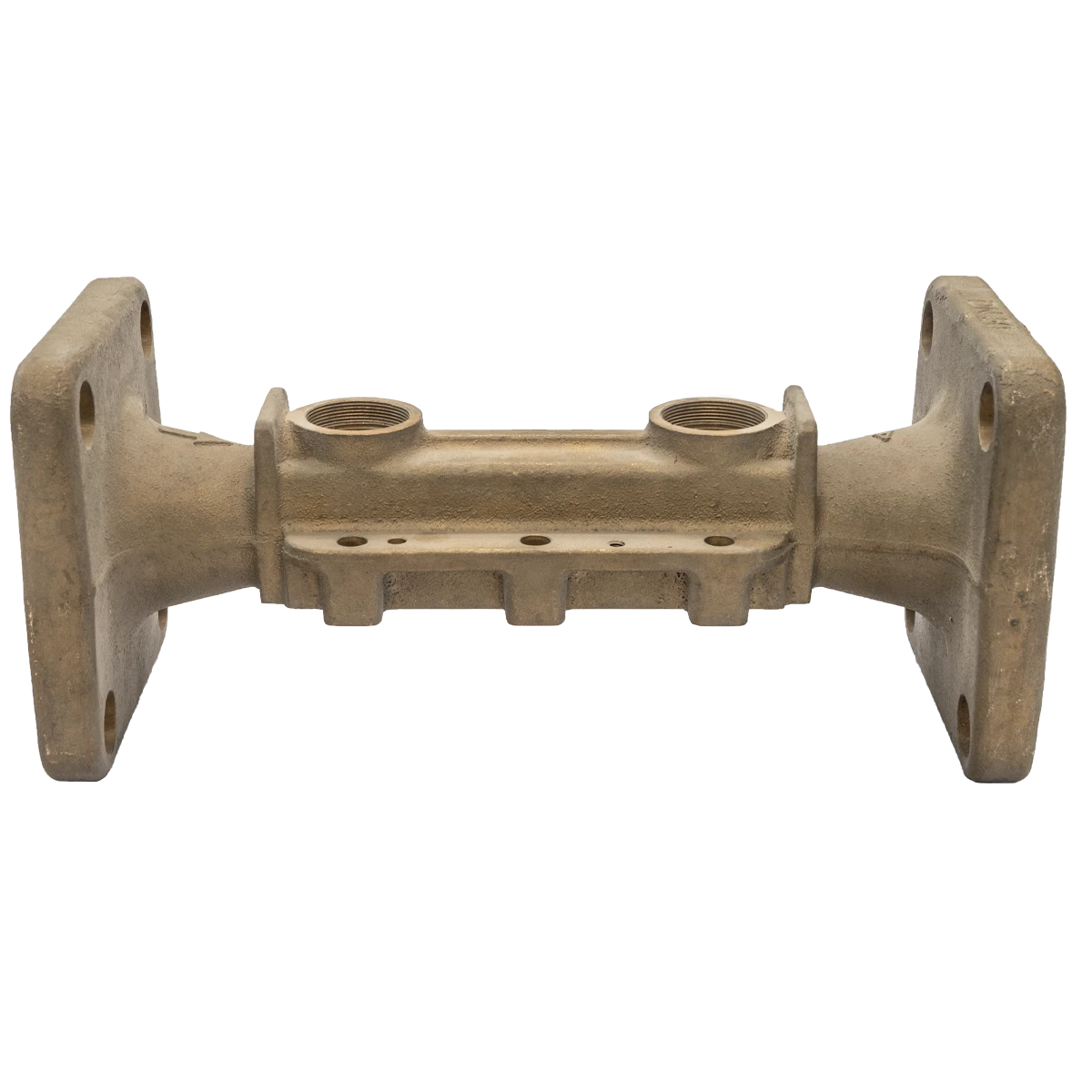
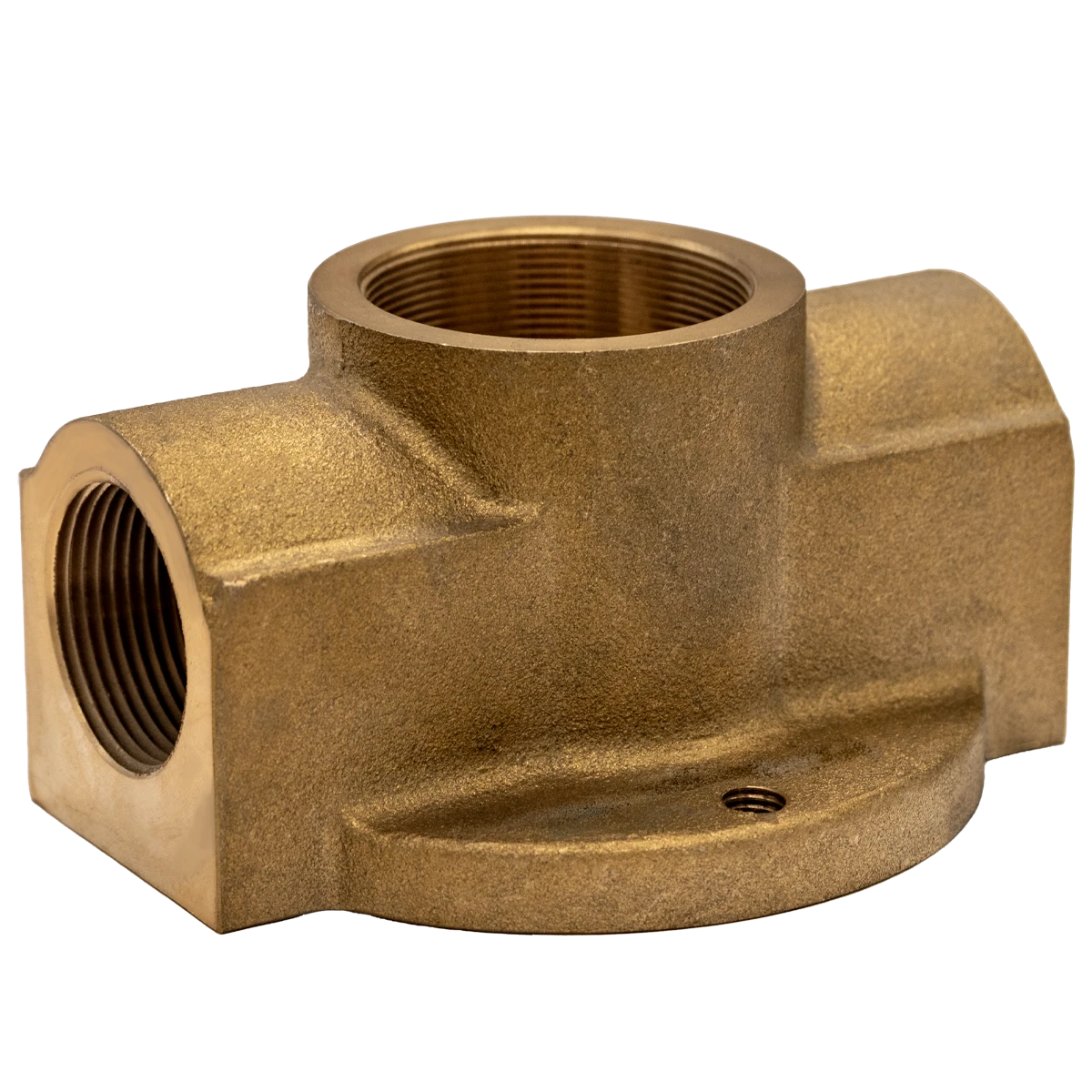
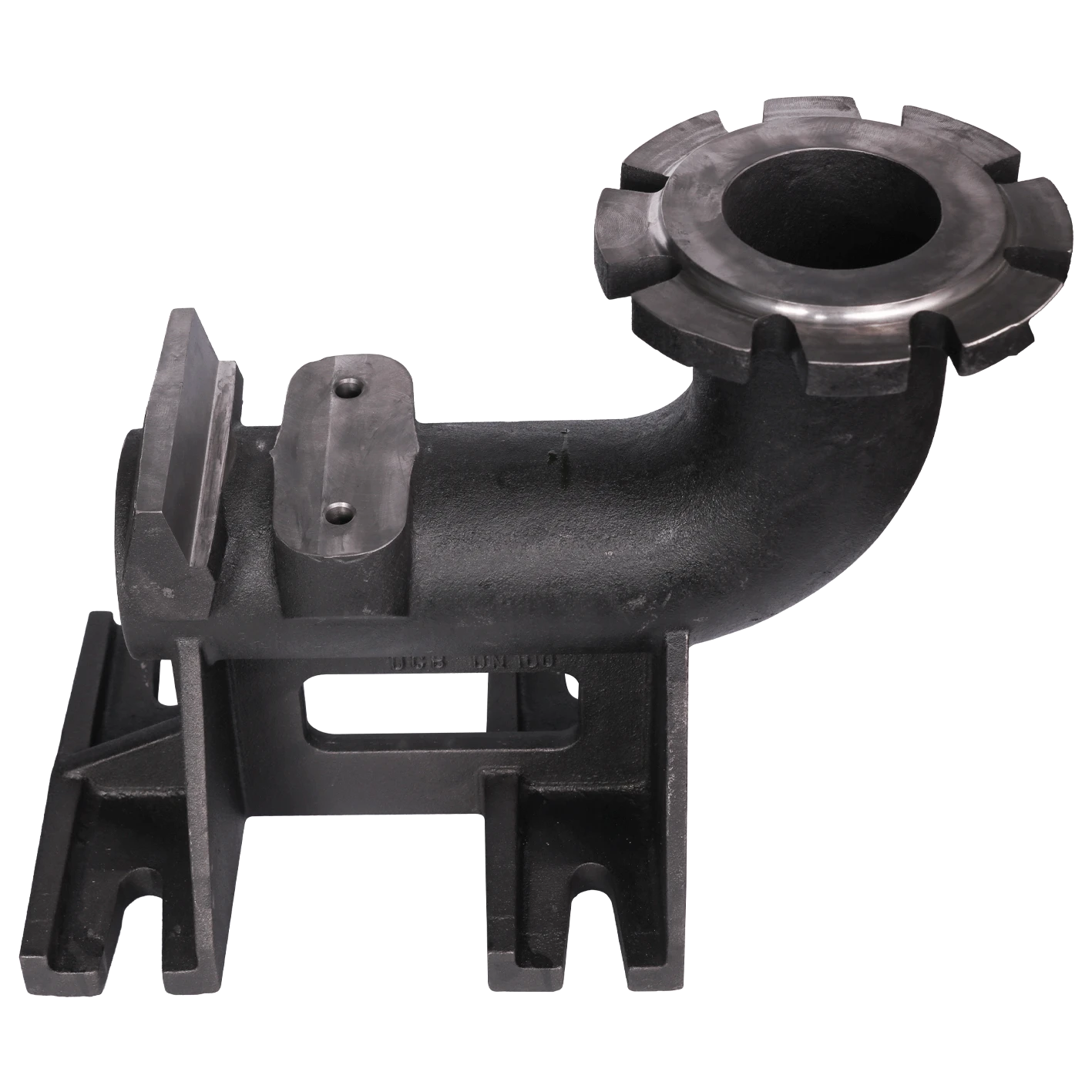
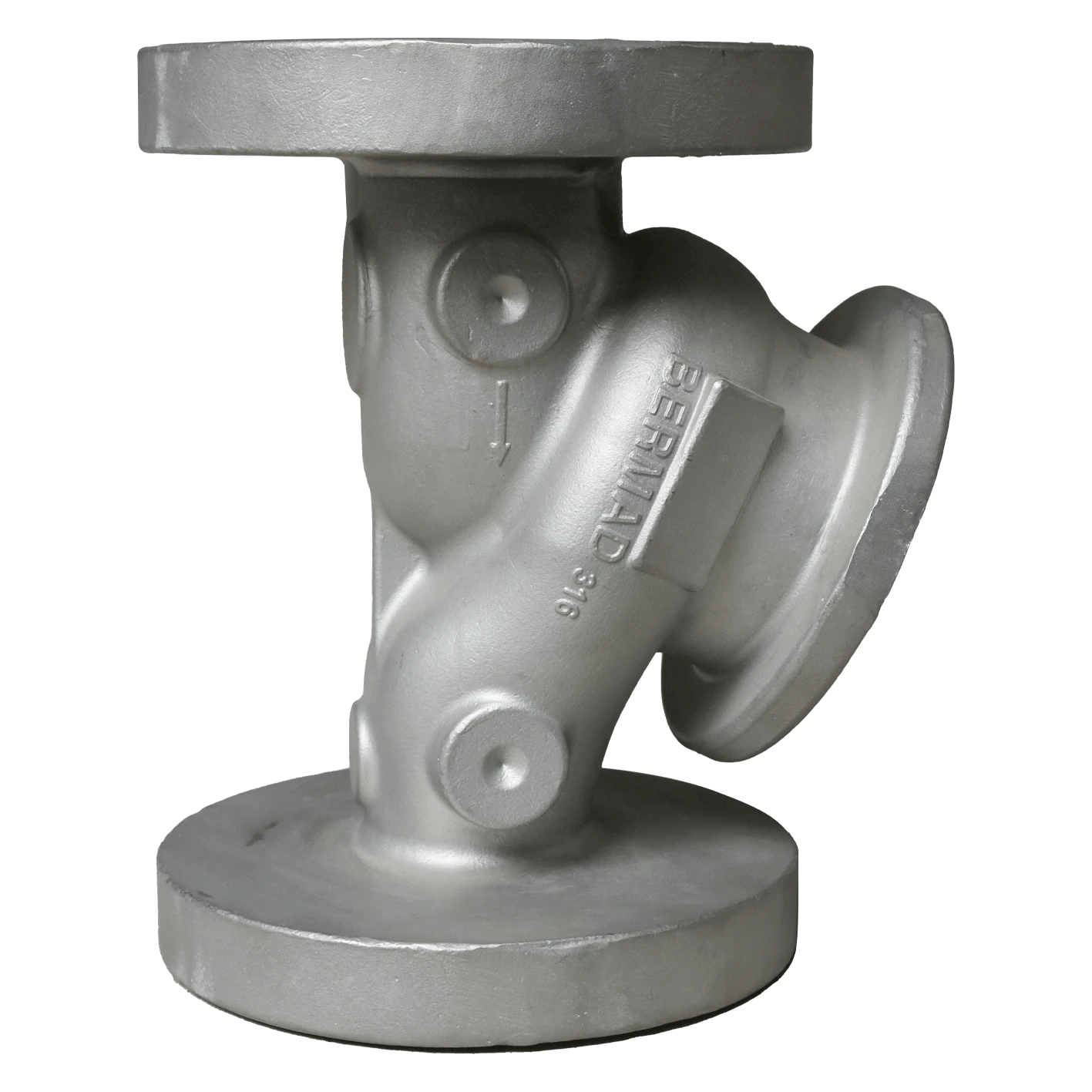
Bend connectors are specialized fittings that enable the connection between two sections of materials—most commonly, pipes or cables—at an angle. Their design can vary depending on the application, ranging from a sharp 90-degree angle to a gentle curve. The primary function of these connectors is to facilitate changes in direction while maintaining the integrity and flow of the medium being transported, whether it be fluids or electrical currents.
Applications Across Industries
Bend connectors find their utility across multiple industries. In plumbing, they are essential for directing water flow through a complex network of pipes. These connectors must be durable and resistant to corrosion, as they often deal with high-pressure liquids. In electrical engineering, bend connectors are utilized to route wires and cables around obstacles, ensuring safe and efficient power distribution. Their capacity to accommodate different cable sizes and types is crucial for modern electrical installations, where flexibility and reliability are key.
In the construction industry, bend connectors help to create robust frameworks. Steel beams and rods often require angled connections to maintain structural integrity and ensure proper load distribution. High-quality bend connectors not only enhance the strength of these structures but also contribute to the overall aesthetic by allowing for clean and seamless transitions between different building components.
Engineering Considerations
bend connector

When designing bend connectors, engineers must consider various factors to ensure optimal performance. Material selection is paramount; connectors must be made from substances that can withstand environmental conditions and the specific demands of their application. For instance, in offshore construction, connectors need to be resistant to saltwater corrosion, while those used in high-temperature applications must endure extreme heat without degrading.
The angle and radius of the bend are also critical design parameters. A sharper bend may save space but can introduce turbulence in fluid flow, leading to reduced efficiency or increased wear on pipes. Therefore, engineers often conduct simulations and tests to identify the best configuration that balances space constraints with performance needs.
The Future of Bend Connectors
As industries continue to innovate and develop new technologies, the role of bend connectors is expected to evolve. One exciting area of development is the integration of smart materials and sensors. Future bend connectors could monitor stress, temperature, and pressure in real-time, providing valuable data that can be used to prevent failures and optimize maintenance schedules. This shift towards intelligent systems aligns with the broader trends in smart cities and automated construction, where infrastructure can self-monitor and adapt to changing conditions.
Moreover, sustainability is becoming increasingly critical in the engineering sector. As a result, there is a growing interest in creating bend connectors from recycled materials or designing them to minimize waste during production. Innovations in 3D printing technology may also allow for the customized production of bend connectors, reducing costs and improving efficiency in deployments.
Conclusion
Bend connectors are more than just functional components in engineering; they are essential to the seamless operation and longevity of various systems. From plumbing and electrical systems to structural frameworks, their role cannot be overstated. As engineering continues to advance, the development of new materials and technologies promises to enhance the capabilities and sustainability of bend connectors. Recognizing their value can lead to better designs and ultimately contribute to safer, more efficient infrastructure for the future.
-
Choosing an Engine Storage Crate Cover for Material and EnvironmentNewsNov.23,2026
-
Cylinder Head Chamber Buyers: Check the Casting Specification FirstNewsNov.17,2026
-
How Impeller Casting Manufacturers Match Material, Process and EquipmentNewsNov.15,2026
-
Valve body vs. intake air chamber: Which casting fits your assembly?NewsNov.02,2026
-
Air Intake Chamber FAQ: Specifications, Ordering and Support QuestionsNewsOct.28,2026
-
Motorcycle Accessories FAQ: Specifications, Ordering and Support QuestionsNewsOct.24,2026