English

Mobile:+86-311-8081-2683
Email:info@ydcastings.com
English
Design and Applications of Backward Curved Impellers in Fluid Dynamics Systems
Understanding Backward Curved Impellers A Comprehensive Overview
Backward curved impellers are a critical component in various industrial applications, particularly in the field of ventilation and air conditioning systems. These impellers are designed with blades that are curved backward relative to the direction of rotation. This unique design comes with several advantages, making backward curved impellers a preferred choice for many engineers and manufacturers.
Design and Functionality
The primary function of an impeller is to move fluid or gas from one location to another. In the case of backward curved impellers, the design facilitates the efficient movement of air or gases through a system. When the impeller spins, the backward curvature of the blades pushes the air or gas outward while converting kinetic energy into pressure energy. This engineered design allows for a smoother flow of air with reduced turbulence, which is significant in applications where uniform air distribution is essential.
Efficiency and Performance
One of the standout features of backward curved impellers is their high efficiency. Compared to other types of impellers, such as forward curved impellers, backward curved designs operate at higher pressures and lower flow rates. This is particularly advantageous in systems where energy savings are paramount. The efficiency of backward curved impellers allows systems to consume less power while delivering the same or even greater performance levels, leading to reduced operational costs and a smaller carbon footprint.
Additionally, backward curved impellers are known for their ability to handle a wider range of operating conditions. They maintain stable performance even under varying load conditions, which is crucial in environments that undergo frequent changes in demand. This reliability makes them suitable for both commercial and industrial applications, such as HVAC systems, dust collection systems, and exhaust fans.
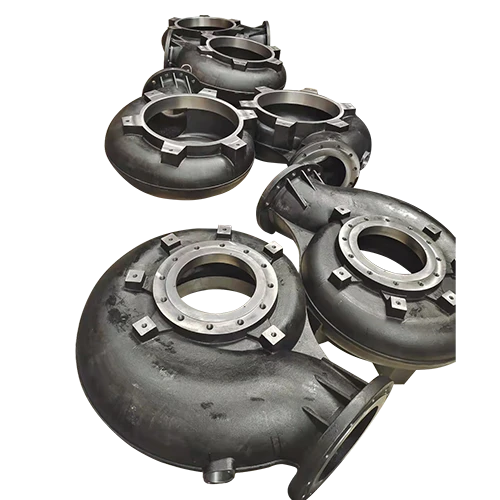
backward curved impeller
Noise Reduction
Another notable advantage of backward curved impellers is their inherently low noise operation. The design reduces turbulence and vibration, which are often the primary sources of noise in air-moving equipment. For applications in enclosed spaces, such as offices or residential settings, minimizing noise is essential for comfort. The ability of backward curved impellers to operate quietly while providing effective airflow makes them an excellent choice for applications where noise reduction is a priority.
Applications
Backward curved impellers are widely utilized across various industries. In the HVAC sector, they are integral to air handling units, fan coil units, and ventilation systems. Their ability to produce high static pressure and maintain efficiency at low flow rates is key to ensuring optimal performance in building climate control systems.
In the industrial sector, backward curved impellers are frequently employed in dust collectors and fume extraction systems. They can handle particulate-laden air without significant performance degradation, making them ideal for environments with high dust or chemical concentrations. Furthermore, their robust design allows them to operate effectively in demanding conditions, including high temperatures and corrosive atmospheres.
Conclusion
Backward curved impellers represent a sophisticated solution in the realm of fluid dynamics. With their efficient design, versatile applications, and noise-reducing properties, they continue to be a preferred choice for engineers and manufacturers across various industries. As technology advances and energy efficiency becomes more critical, the role of backward curved impellers in creating sustainable solutions will only grow. Understanding their functionalities, benefits, and applications is essential for anyone involved in the design and implementation of air-moving systems. Investing in backward curved impeller technology not only enhances system performance but also contributes to a greener and more efficient future.
-
Choosing an Engine Storage Crate Cover for Material and EnvironmentNewsNov.23,2026
-
Cylinder Head Chamber Buyers: Check the Casting Specification FirstNewsNov.17,2026
-
How Impeller Casting Manufacturers Match Material, Process and EquipmentNewsNov.15,2026
-
Valve body vs. intake air chamber: Which casting fits your assembly?NewsNov.02,2026
-
Air Intake Chamber FAQ: Specifications, Ordering and Support QuestionsNewsOct.28,2026
-
Motorcycle Accessories FAQ: Specifications, Ordering and Support QuestionsNewsOct.24,2026










