English

Mobile:+86-311-8081-2683
Email:info@ydcastings.com
English
Efficient Cooling Solutions for Automobiles Through Innovative Water Pump Designs
Understanding the Importance of Automobile Water Pumps
The automobile water pump is a critical component of a vehicle’s cooling system, playing a significant role in maintaining optimal operating temperatures for the engine. Not only does it circulate coolant throughout the engine and radiator, but it also helps prevent engine overheating, which can lead to catastrophic failures and costly repairs. Understanding the functioning and maintenance of water pumps can help car owners prolong their vehicle's lifespan and enhance performance.
How Does an Automobile Water Pump Work?
At its core, the water pump is essentially a mechanical device powered by either a belt or an electric motor. When the engine runs, the pump draws coolant from the radiator and pushes it through the engine block and cylinder head. This continuous flow of coolant absorbs excess heat generated during combustion, transporting it back to the radiator. Here, the coolant dissipates heat, allowing it to return to the engine at a cooler temperature.
The centrifugal pump, the most common type used in automobiles, operates based on the principle of centrifugal force. It features a rotating impeller that imparts kinetic energy to the coolant, enabling it to circulate effectively. This process is crucial in maintaining an even engine temperature, preventing hot spots and ensuring efficient combustion.
Signs of Water Pump Failure
As with any mechanical component, water pumps can wear out or fail over time
. Several warning signs indicate that a water pump may be malfunctioningautomobile water pump
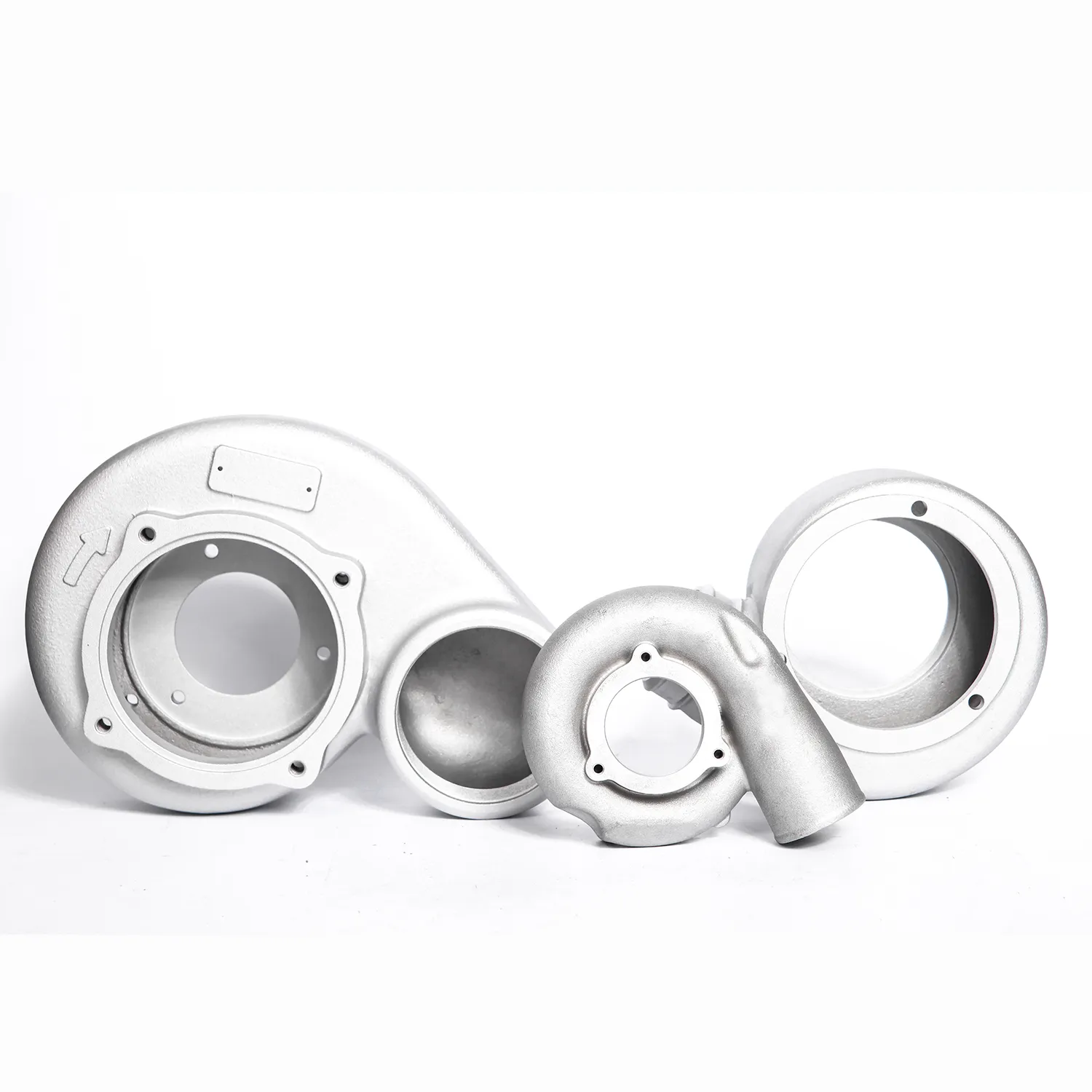
1. Overheating Engine If the engine temperature gauge consistently registers high readings, it may signal a failing water pump. 2. Coolant Leaks Puddles of coolant under the vehicle or visible leaks emanating from the pump can indicate a failure in the pump’s seals or housing. 3. Unusual Noises A whining or grinding noise coming from the engine area can be a sign of a worn pump bearing. 4. Steam from the Engine Bay Steam or smoke escaping from the engine compartment suggests that the engine is overheating, possibly due to inadequate coolant circulation.
Ignoring these signs can lead to severe engine damage, highlighting the necessity of timely inspections and maintenance.
Maintenance Tips for Automobile Water Pumps
To ensure the longevity and efficiency of an automobile water pump, regular maintenance is essential. Here are a few practical tips
- Inspect Coolant Levels Regularly check the coolant level and top it off as needed. Ensure that the correct type of coolant is used, as improper mixtures can lead to corrosion and pump failure. - Flush the Cooling System Flushing the cooling system periodically helps remove rust, debris, and deposits that can clog the cooling passages and hinder the pump’s operation. - Monitor Engine Temperature Pay attention to the vehicle's temperature gauge. If you notice unusual spikes, have the cooling system inspected immediately. - Replace During Major Services When replacing a timing belt or undergoing significant engine repairs, it’s prudent to replace the water pump as well, since it often operates in tandem with these components.
Conclusion
The automobile water pump may be a small component, but its functionality is vital to the overall health of the vehicle's engine. Regular maintenance and awareness of potential issues can significantly mitigate risks associated with pump failure. By understanding the importance of the water pump, car owners can take proactive steps to ensure their vehicles remain reliable and efficient on the road.
-
Choosing an Engine Storage Crate Cover for Material and EnvironmentNewsNov.23,2026
-
Cylinder Head Chamber Buyers: Check the Casting Specification FirstNewsNov.17,2026
-
How Impeller Casting Manufacturers Match Material, Process and EquipmentNewsNov.15,2026
-
Valve body vs. intake air chamber: Which casting fits your assembly?NewsNov.02,2026
-
Air Intake Chamber FAQ: Specifications, Ordering and Support QuestionsNewsOct.28,2026
-
Motorcycle Accessories FAQ: Specifications, Ordering and Support QuestionsNewsOct.24,2026










