English

Mobile:+86-311-8081-2683
Email:info@ydcastings.com
English
anti surge housing
Understanding Anti-Surge Housing Innovations for a Resilient Future
In recent years, the increasing frequency of extreme weather events and the rising tide of urbanization have led to a growing concern regarding the safety and resilience of housing structures. One innovative solution that has gained momentum is the concept of anti-surge housing. This emerging trend provides an effective response to the threats posed by storm surges, flooding, and other climate-related challenges. In this article, we delve into the fundamentals of anti-surge housing, its key features, benefits, and the future of resilient architecture.
What is Anti-Surge Housing?
Anti-surge housing refers to residential structures designed specifically to withstand storm surges and flooding. These homes incorporate advanced engineering principles and innovative materials to minimize damage caused by rising water levels. The design often includes elevated foundations, reinforced walls, water-resistant materials, and smart drainage systems that effectively channel excess water away from the building.
As climate change continues to intensify weather patterns, the likelihood of experiencing severe storms and floods is increasing. Regions that were previously safe are now facing unprecedented risks, making the development of anti-surge housing not just beneficial, but essential for affected communities.
Key Features of Anti-Surge Housing
1. Elevated Structures One of the primary characteristics of anti-surge housing is its elevation above potential flood levels. Homes are often built on pilings or raised platforms to prevent water from entering the living space during a surge.
2. Water-Resistant Materials Construction materials play a pivotal role in the durability of homes in flood-prone areas. Anti-surge housing often utilizes water-resistant products such as concrete, fiberglass, and specially treated wood to withstand exposure to moisture without compromising structural integrity.
3. Smart Drainage Systems Efficient drainage solutions are essential for managing water during and after storm events. Anti-surge housing can integrate advanced drainage systems designed to redirect water away from the structure, minimizing the risk of flooding and erosion.
4. Flexible and Adaptive Design The future of anti-surge housing lies in its ability to adapt to changing conditions. Modular designs allow homeowners to adjust their living spaces based on specific needs, while flexible layouts can accommodate various family sizes and functionalities.
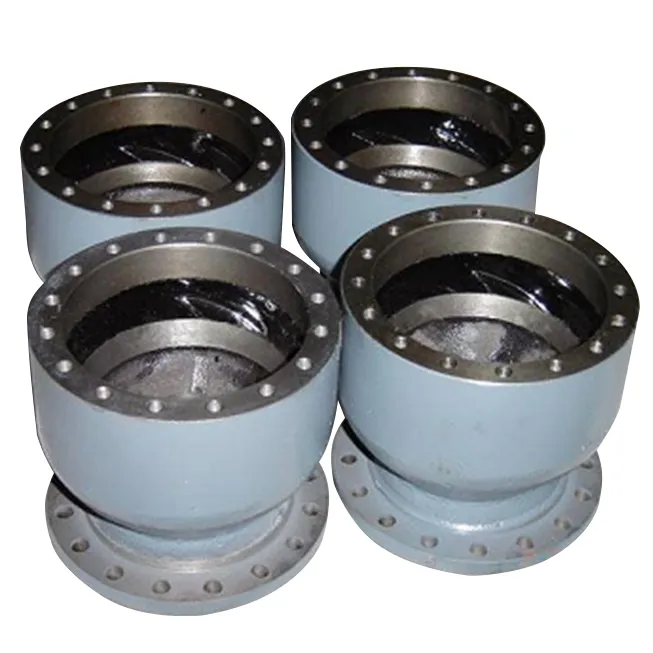
anti surge housing
Benefits of Anti-Surge Housing
1. Enhanced Safety The most important benefit of anti-surge housing is the increased safety it provides to residents. By minimizing the risk of flooding damage, homeowners can protect their lives, property, and investments.
2. Economic Advantages With climate resilience becoming a priority for homeowners and insurers alike, buildings designed with anti-surge capabilities may attract lower insurance premiums. Additionally, spending on repairs and renovations following damage from flooding can be drastically reduced.
3. Environmental Sustainability Many anti-surge housing designs emphasize sustainability. Incorporating green roofs, rainwater harvesting systems, and energy-efficient appliances not only helps the environment but also reduces utility costs for residents.
4. Community Resilience When neighborhoods adopt anti-surge housing practices, entire communities become more resilient. By investing in sustainable and robust living environments, communities can better withstand the challenges posed by climate change.
The Future of Anti-Surge Housing
As awareness of climate change impacts grows, so does the need for innovative housing solutions. Anti-surge housing represents a proactive approach to disaster preparedness, ensuring families are not just surviving but thriving in adverse conditions. Urban planners and architects are increasingly collaborating to create designs that are not only functional but also aesthetically pleasing.
Public policies that promote sustainable building practices, invest in flood defenses, and incentivize the development of anti-surge housing will be crucial in shaping the future landscape of vulnerable regions. As communities prioritize safety and resilience, the growth of anti-surge housing will likely continue as a vital strategy against the unpredictable forces of nature.
In conclusion, anti-surge housing presents a promising pathway toward safer, more resilient living in the face of climate challenges. By embracing innovative designs and sustainable practices, we can pave the way for a future where homes protect those who inhabit them, ensuring safety, comfort, and stability no matter the storm.
-
Choosing an Engine Storage Crate Cover for Material and EnvironmentNewsNov.23,2026
-
Cylinder Head Chamber Buyers: Check the Casting Specification FirstNewsNov.17,2026
-
How Impeller Casting Manufacturers Match Material, Process and EquipmentNewsNov.15,2026
-
Valve body vs. intake air chamber: Which casting fits your assembly?NewsNov.02,2026
-
Air Intake Chamber FAQ: Specifications, Ordering and Support QuestionsNewsOct.28,2026
-
Motorcycle Accessories FAQ: Specifications, Ordering and Support QuestionsNewsOct.24,2026










