English

Mobile:+86-311-8081-2683
Email:info@ydcastings.com
English
anti surge compressor housing
Understanding Anti-Surge Compressor Housing An Essential Component in Gas Compression Systems
In the gas processing and power generation industries, the compressor plays a critical role in the overall efficiency and reliability of operations. Among various technologies and designs employed within these systems, the anti-surge compressor housing stands out as a vital component. This article delves into the function, structure, and benefits of anti-surge compressor housing in preventing surge conditions and ensuring stable operation.
What is Surge in Compressors?
Before discussing the anti-surge compressor housing, it is essential to understand the phenomenon of surge. Surge refers to an unstable operating condition where the compressor experiences rapid fluctuations in flow and pressure. This instability can lead to a complete breakdown of the compressor's operation, damaging the equipment and causing unscheduled downtime. Surge typically occurs when the compressor is operating at low flow rates and can be exacerbated by changes in system demand or pressure drops.
The Function of Anti-Surge Compressor Housing
The anti-surge compressor housing acts as a safeguard against these adverse conditions. Its primary function is to maintain optimal flow through the compressor by providing alternative pathways for the gas flow during nonlinear operating conditions. This specialized design significantly mitigates the risk of surge, allowing the compressor to operate safely across a wider range of flow rates.
The anti-surge system includes various components, such as flow control valves, sensors, and sophisticated control algorithms, ensuring that the compressor remains within its operational envelope. By continuously monitoring parameters such as pressure, temperature, and flow rate, the system can quickly respond to any signs of impending surge, adjusting the operational parameters in real-time.
Design and Structure of Anti-Surge Compressor Housing
The design of anti-surge compressor housing is engineered to facilitate smooth airflow and minimize turbulence. It often features specialized geometries and contouring that guide the gas flow effectively through the compressor stages. The housing material is typically constructed from robust alloys that can withstand high pressures and corrosive gases, ensuring longevity and reliability.
Moreover, the incorporation of bypass lines is a common feature in these systems. Bypass lines allow excess gas to circulate back into the system or to a flare stack when the compressor nears surge conditions. This flexibility enhances the overall safety of the operation and offers an added layer of protection to the compressor components.
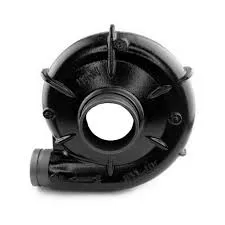
anti surge compressor housing
Benefits of Anti-Surge Compressor Housing
Implementing an anti-surge compressor housing offers several advantages
1. Enhanced Reliability By preventing surge conditions, the compressor can operate smoothly, reducing the likelihood of mechanical failure or catastrophic breakdowns.
2. Increased Efficiency A stable operation contributes to better energy efficiency. The compressor can maintain optimal performance without frequent interruptions due to surging.
3. Extended Equipment Lifespan Protecting the compressor from damaging surge conditions helps to extend its operational lifespan, reducing the need for expensive repairs or replacements.
4. Operational Flexibility An anti-surge system allows for greater flexibility in managing variable process demands. It can seamlessly adapt to changes in input flows, adding resilience to the overall system.
5. Improved Safety By minimizing the risk of surge, the anti-surge housing helps maintain a safe operating environment, protecting both personnel and equipment.
Conclusion
The anti-surge compressor housing is a crucial component in gas compression systems, especially in industries where process stability is paramount. As technological advancements continue to progress, the design of these systems is becoming increasingly sophisticated, employing real-time monitoring and control strategies to ensure optimal performance. By understanding and investing in anti-surge technology, industries can enhance reliability, increase efficiency, and improve safety, thereby securing their operational investment and contributing to sustainable industrial practices. As we move forward, ongoing research and development in this area will further refine these systems, ensuring they can meet the challenges of an ever-evolving energy landscape.
-
Choosing an Engine Storage Crate Cover for Material and EnvironmentNewsNov.23,2026
-
Cylinder Head Chamber Buyers: Check the Casting Specification FirstNewsNov.17,2026
-
How Impeller Casting Manufacturers Match Material, Process and EquipmentNewsNov.15,2026
-
Valve body vs. intake air chamber: Which casting fits your assembly?NewsNov.02,2026
-
Air Intake Chamber FAQ: Specifications, Ordering and Support QuestionsNewsOct.28,2026
-
Motorcycle Accessories FAQ: Specifications, Ordering and Support QuestionsNewsOct.24,2026










