English

Mobile:+86-311-8081-2683
Email:info@ydcastings.com
English
Feb . 11, 2025 21:54
Back to list
an end cap
In the rapidly evolving landscape of retail, the concept of an end cap stands as a potent tool to capture consumer attention and drive sales. With roots deeply embedded in retail tradition, end caps have adapted to fit the modern marketplace, offering unparalleled opportunities for both emerging and established brands. When harnessed effectively, an end cap not only elevates product visibility but can significantly influence consumer buying behaviors.
Furthermore, leveraging technology can enhance an end cap's effectiveness. Digital displays or interactive screens can provide dynamic content, showcasing product benefits in a more engaging format. Utilizing data analytics, brands can refine their end cap strategies by understanding consumer demographics and shopping patterns. By evaluating which end caps yield higher conversions, brands can continuously optimize their approach, ensuring the continued success of their campaigns. Trustworthiness is manifest through consistency and reliability of the products displayed on end caps. Repeated positive experiences build consumer trust, encouraging repeat purchases. Testimonials, product reviews, and endorsements highlighted alongside products can strengthen trust, assuring consumers of their purchase decisions. The role of sustainability in end cap strategies is also increasingly significant. As consumers become more eco-conscious, a display that emphasizes sustainable practices or highlights the environmental benefits of a product can appeal to this growing segment. For a modern consumer, an end cap that aligns with their values not only enhances shopping satisfaction but fosters brand loyalty. The continuous evolution of shopping psychology and consumer expectations calls for adaptive end cap strategies. It is imperative for brands to innovate and remain agile, curating experiences that are not only visually appealing but also deeply engage the consumer’s senses and intellect. Success in this domain solidifies a brand’s presence in competitive retail environments. In conclusion, an end cap is more than just a marketing strategy; it is a dynamic platform for storytelling and engagement. By focusing on experience, expertise, authoritativeness, and trustworthiness, brands can transform these retail spaces into powerful conduits for consumer connection and sales growth. As retail continues to transform, the ability to leverage an end cap effectively may well become the defining factor between a brand that merely survives and one that thrives.
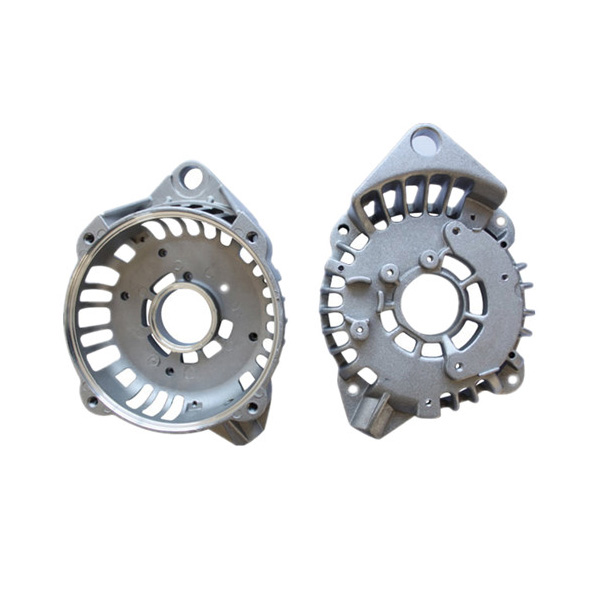
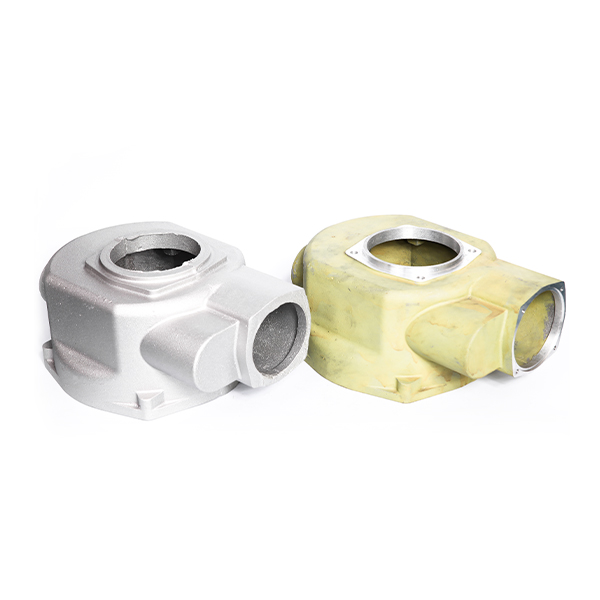
Furthermore, leveraging technology can enhance an end cap's effectiveness. Digital displays or interactive screens can provide dynamic content, showcasing product benefits in a more engaging format. Utilizing data analytics, brands can refine their end cap strategies by understanding consumer demographics and shopping patterns. By evaluating which end caps yield higher conversions, brands can continuously optimize their approach, ensuring the continued success of their campaigns. Trustworthiness is manifest through consistency and reliability of the products displayed on end caps. Repeated positive experiences build consumer trust, encouraging repeat purchases. Testimonials, product reviews, and endorsements highlighted alongside products can strengthen trust, assuring consumers of their purchase decisions. The role of sustainability in end cap strategies is also increasingly significant. As consumers become more eco-conscious, a display that emphasizes sustainable practices or highlights the environmental benefits of a product can appeal to this growing segment. For a modern consumer, an end cap that aligns with their values not only enhances shopping satisfaction but fosters brand loyalty. The continuous evolution of shopping psychology and consumer expectations calls for adaptive end cap strategies. It is imperative for brands to innovate and remain agile, curating experiences that are not only visually appealing but also deeply engage the consumer’s senses and intellect. Success in this domain solidifies a brand’s presence in competitive retail environments. In conclusion, an end cap is more than just a marketing strategy; it is a dynamic platform for storytelling and engagement. By focusing on experience, expertise, authoritativeness, and trustworthiness, brands can transform these retail spaces into powerful conduits for consumer connection and sales growth. As retail continues to transform, the ability to leverage an end cap effectively may well become the defining factor between a brand that merely survives and one that thrives.
Next:
Latest news
-
Choosing an Engine Storage Crate Cover for Material and EnvironmentNewsNov.23,2026
-
Cylinder Head Chamber Buyers: Check the Casting Specification FirstNewsNov.17,2026
-
How Impeller Casting Manufacturers Match Material, Process and EquipmentNewsNov.15,2026
-
Valve body vs. intake air chamber: Which casting fits your assembly?NewsNov.02,2026
-
Air Intake Chamber FAQ: Specifications, Ordering and Support QuestionsNewsOct.28,2026
-
Motorcycle Accessories FAQ: Specifications, Ordering and Support QuestionsNewsOct.24,2026
Related PRODUCTS










