English

Mobile:+86-311-8081-2683
Email:info@ydcastings.com
English
Aluminum Pressure Die Casting Techniques and Applications in Modern Manufacturing
Aluminum Pressure Die Casting An Overview
Aluminum pressure die casting is a sophisticated manufacturing process that allows for the production of intricate and highly precise aluminum components. This method has gained popularity across various industries, including automotive, aerospace, electronics, and consumer goods, due to its ability to deliver high-quality parts quickly and efficiently.
The Die Casting Process
The die casting process involves forcing molten aluminum into a steel mold, known as a die, under high pressure. This pressure ensures that the molten metal fills every intricate detail of the mold, resulting in parts with smooth surfaces and precise dimensions. The process typically follows several key steps
1. Die Preparation The die is preheated to ensure optimal flow of the molten aluminum and to enhance the surface finish of the cast component.
2. Injection Molten aluminum is injected into the die at high pressure, which can exceed 20,000 psi. This rapid injection minimizes air entrapment and allows for the production of thin-walled components.
3. Cooling The injected aluminum cools and solidifies quickly within the die, often within a matter of seconds. The design of the die is crucial, as it must effectively dissipate heat to facilitate fast cooling and maintain the integrity of the dimensions.
4. Ejection Once the aluminum has solidified, the die opens, and ejector pins push the newly formed part out of the mold. This is a critical phase as it prevents damage to the component and prepares the die for the next cycle.
5. Finishing After ejection, the cast components may require additional finishing processes, such as machining, surface treatment, or coating, to achieve the desired properties and aesthetics.
Advantages of Aluminum Pressure Die Casting
The aluminum pressure die casting process offers several distinct advantages over traditional manufacturing methods
- High Precision The high-pressure injection method produces components that feature intricate geometries and tight tolerances that are often difficult to achieve with other casting techniques.
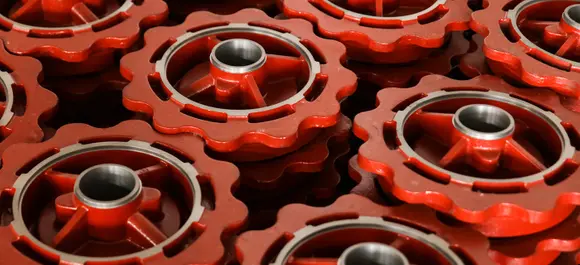
aluminum pressure die casting
- Surface Finish The process results in parts with a superior surface finish, reducing the need for extensive post-processing work
.- Efficiency Die casting is capable of high production rates, allowing manufacturers to produce large quantities of components in a relatively short time. This efficiency is particularly beneficial for industries that require mass production.
- Material Utilization Aluminum is a recyclable material, promoting sustainability in manufacturing. Additionally, die casting minimizes waste by using only the necessary amount of aluminum for each component.
- Strength and Durability Aluminum components produced through pressure die casting exhibit excellent mechanical properties, including high strength-to-weight ratios, making them ideal for high-performance applications.
Applications of Aluminum Pressure Die Casting
The versatility of aluminum pressure die casting makes it suitable for a wide range of applications. In the automotive sector, it is commonly used for manufacturing engine components, transmission housings, and structural parts due to their lightweight and durable nature. Aerospace manufacturers utilize this process to produce lightweight parts that can withstand extreme conditions.
In the electronics industry, die casting is used for enclosures, heat sinks, and other components that require precise dimensions and excellent thermal conductivity. The consumer goods sector benefits from die casting for items such as kitchen appliances, furniture hardware, and tools.
Challenges and Considerations
While aluminum pressure die casting is a highly effective manufacturing process, it is not without challenges. The initial investment in die tooling can be substantial, making it less suitable for low-volume production runs. Additionally, die maintenance is crucial; poorly maintained dies can lead to defects in the cast parts.
Furthermore, manufacturers must be aware of the properties of aluminum alloys used, as different alloys may exhibit varying characteristics that can impact the performance of the final product.
Conclusion
Aluminum pressure die casting is a powerful manufacturing technique that offers numerous advantages, including precision, efficiency, and the ability to create complex geometries. As industries continue to seek lighter and more durable materials, the demand for aluminum pressure die casting will likely grow, making it a key player in the future of manufacturing. The ongoing advancements in technology and materials will only enhance the capabilities of this process, solidifying its place as a cornerstone in modern manufacturing practices.
-
Choosing an Engine Storage Crate Cover for Material and EnvironmentNewsNov.23,2026
-
Cylinder Head Chamber Buyers: Check the Casting Specification FirstNewsNov.17,2026
-
How Impeller Casting Manufacturers Match Material, Process and EquipmentNewsNov.15,2026
-
Valve body vs. intake air chamber: Which casting fits your assembly?NewsNov.02,2026
-
Air Intake Chamber FAQ: Specifications, Ordering and Support QuestionsNewsOct.28,2026
-
Motorcycle Accessories FAQ: Specifications, Ordering and Support QuestionsNewsOct.24,2026










