English

Mobile:+86-311-8081-2683
Email:info@ydcastings.com
English
Exploring the Benefits and Techniques of Aluminum Gravity Casting in Modern Manufacturing
Aluminum Gravity Casting An Overview of the Process and Benefits
Aluminum gravity casting, often referred to as gravity die casting, is a widely employed manufacturing process that utilizes the force of gravity to fill a mold with molten aluminum. This technique is revered for its ability to produce high-quality, intricate components with excellent surface finishes. The versatility, efficiency, and mechanical properties of the castings make it a preferred choice for various industries, including automotive, aerospace, and consumer goods.
Understanding the Process
The aluminum gravity casting process begins with the creation of a mold, typically made from steel or iron, to withstand the high temperatures of molten aluminum. The mold is designed to have the desired shape of the final product and can be reusable, significantly contributing to cost-effectiveness over time. Once the mold is prepared, it is preheated to ensure better flow of the molten metal and to reduce thermal shock.
The next step involves melting aluminum in a furnace. This is usually done in a melting furnace where aluminum scrap or ingots are heated until they reach a molten state, typically around 660 degrees Celsius (1220 degrees Fahrenheit). Once the aluminum is melted, it is poured into the mold cavity under the influence of gravity. The force of gravity ensures a uniform filling of the mold, minimizing the likelihood of defects such as bubbles or voids.
After the mold is filled, the aluminum undergoes a cooling process. The cooling time depends on the thickness of the casting and the specific cooling characteristics of the mold. Once the aluminum has cooled and solidified, the mold is opened, and the finished casting is removed. The castings often require secondary processes such as machining, polishing, or surface treatments to meet the exact specifications.
Advantages of Aluminum Gravity Casting
aluminum gravity casting
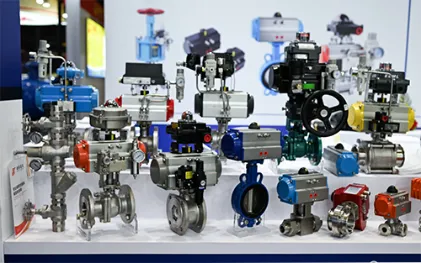
One of the primary advantages of aluminum gravity casting is the exceptional dimensional accuracy and surface finish it provides
. The method allows for the production of complex shapes with tight tolerances, which is critical in industries such as automotive where precision is paramount.Another significant benefit is the excellent mechanical properties of aluminum castings. Aluminum itself is lightweight yet strong, making it ideal for components that require durability without adding excessive weight. This characteristic has made aluminum gravity casting particularly advantageous for automotive applications, as manufacturers strive to improve fuel efficiency by reducing vehicle weight.
Furthermore, gravity casting is a cost-effective process for medium to large production runs. The reusable molds and efficient use of aluminum help minimize waste, making it an environmentally friendly option. The process is relatively quick, with reduced cycle times compared to some other casting methods, allowing for a faster turnaround in production.
Applications of Aluminum Gravity Casting
Aluminum gravity casting finds applications in various sectors. In the automotive industry, it is utilized for producing engine blocks, transmission cases, and various structural components. The aerospace sector employs gravity casting for components that must endure extreme conditions, including brackets, fittings, and housings. Additionally, consumer goods such as cookware, lighting fixtures, and decorative items benefit from the aesthetic qualities achieved through this casting technique.
Conclusion
In conclusion, aluminum gravity casting is a highly efficient and versatile manufacturing process that offers numerous advantages, including excellent surface finish, dimensional accuracy, and superior mechanical properties. Its cost-effectiveness and suitability for mass production make it an attractive choice for various industries. As technology advances and demands for lightweight, durable, and complex components grow, aluminum gravity casting is poised to play an increasingly vital role in modern manufacturing.
-
Choosing an Engine Storage Crate Cover for Material and EnvironmentNewsNov.23,2026
-
Cylinder Head Chamber Buyers: Check the Casting Specification FirstNewsNov.17,2026
-
How Impeller Casting Manufacturers Match Material, Process and EquipmentNewsNov.15,2026
-
Valve body vs. intake air chamber: Which casting fits your assembly?NewsNov.02,2026
-
Air Intake Chamber FAQ: Specifications, Ordering and Support QuestionsNewsOct.28,2026
-
Motorcycle Accessories FAQ: Specifications, Ordering and Support QuestionsNewsOct.24,2026










