English

Mobile:+86-311-8081-2683
Email:info@ydcastings.com
English
aluminum foam casting
Aluminum Foam Casting A Revolutionary Approach to Lightweight Structures
In recent years, the pursuit of lightweight materials in engineering and manufacturing has led to significant advancements in materials science. One of the most promising innovations in this field is aluminum foam casting, a process that combines the exceptional properties of aluminum with the unique characteristics of foam. This technology is revolutionizing industries by providing strong, lightweight components that can significantly reduce weight without compromising performance.
Aluminum foam casting involves introducing gas into molten aluminum, which creates a cellular structure as the metal solidifies. The resulting aluminum foam is characterized by its low density, high strength-to-weight ratio, and excellent energy absorption properties. These properties make it an ideal material for various applications, from automotive and aerospace components to construction and packaging.
One of the most significant advantages of aluminum foam is its lightweight nature. As industries strive to improve fuel efficiency and reduce greenhouse gas emissions, the shift towards lighter materials is paramount. Aluminum foam can be up to 80% lighter than solid aluminum, making it an attractive option for manufacturing parts where weight reduction is critical. For instance, in the automotive sector, lighter components can lead to better vehicle performance, increased fuel efficiency, and lower emissions.
Moreover, aluminum foam offers exceptional strength. Despite its low density, the cellular structure of the foam provides remarkable mechanical properties. This strength allows for the design of components that can endure substantial loads while remaining lightweight. In aerospace applications, where every gram counts, the introduction of aluminum foam components could lead to significant improvements in aircraft performance.
aluminum foam casting
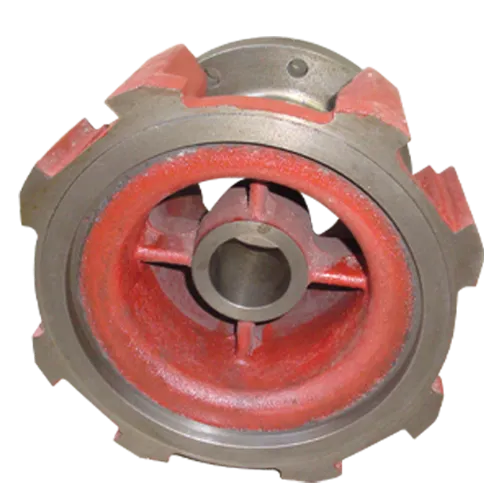
Additionally, aluminum foam exhibits excellent energy absorption capabilities. This property is particularly valuable in safety applications, such as crash protection in vehicles. The foam can absorb impact energy effectively, reducing the stress on the vehicle's occupants during a collision. As a result, manufacturers are increasingly exploring aluminum foam for use in bumpers, dashboards, and other safety-related components.
The casting process for aluminum foam is also notable for its versatility. Traditional casting methods can be adapted to create complex shapes and structures, allowing for greater design freedom. Engineers and designers can create intricate geometries that would be impossible with solid materials, opening new avenues for innovation in product design.
Furthermore, aluminum foam is also environmentally friendly. Aluminum is widely recycled, and the foam casting process can utilize up to 100% recycled materials. This aspect aligns with the growing emphasis on sustainable manufacturing practices and the reduction of waste. By promoting the use of recycled aluminum and creating lightweight components, the industry can significantly lower its environmental impact.
In conclusion, aluminum foam casting stands at the forefront of materials innovation, offering a compelling combination of lightweight, strength, energy absorption, and design versatility. As industries continue to pursue efficiencies and sustainability, aluminum foam is likely to play a crucial role in the development of next-generation products. Whether in automotive engineering, aerospace design, or construction, aluminum foam casting is set to redefine what is possible with lightweight materials, paving the way for a more efficient and sustainable future.
-
Choosing an Engine Storage Crate Cover for Material and EnvironmentNewsNov.23,2026
-
Cylinder Head Chamber Buyers: Check the Casting Specification FirstNewsNov.17,2026
-
How Impeller Casting Manufacturers Match Material, Process and EquipmentNewsNov.15,2026
-
Valve body vs. intake air chamber: Which casting fits your assembly?NewsNov.02,2026
-
Air Intake Chamber FAQ: Specifications, Ordering and Support QuestionsNewsOct.28,2026
-
Motorcycle Accessories FAQ: Specifications, Ordering and Support QuestionsNewsOct.24,2026










