English

Mobile:+86-311-8081-2683
Email:info@ydcastings.com
English
aluminum die casting
The Advantages and Applications of Aluminum Die Casting
Aluminum die casting has become one of the most popular methods for manufacturing complex metal parts. This process not only offers exceptional precision and accuracy but also provides a lightweight and durable solution for various industries. The unique properties of aluminum, combined with advanced die casting techniques, make it an ideal choice for producing high-quality components that meet stringent specifications. In this article, we will explore the advantages of aluminum die casting and its various applications in different sectors.
Understanding Aluminum Die Casting
Die casting is a manufacturing process that involves forcing molten metal into a mold cavity under high pressure. The mold, or die, is typically made from steel and is designed to produce intricate shapes with tight tolerances. Aluminum die casting specifically refers to the use of aluminum alloys in this process. Commonly used alloys include A380, A383, and A413, which are known for their excellent fluidity and mechanical properties.
Key Advantages of Aluminum Die Casting
1. Strength and Durability Aluminum alloys used in die casting are known for their high strength-to-weight ratio. Parts made from aluminum die casting can withstand significant stress and strain while remaining lightweight, making them ideal for applications where weight reduction is essential.
2. Precision Engineering The die casting process allows for high levels of precision and intricate detail in the finished parts. This is crucial for industries such as automotive and aerospace, where even the smallest variation can lead to significant performance issues.
3. Corrosion Resistance Aluminum naturally forms a protective oxide layer that helps prevent corrosion. This property makes aluminum die-cast parts suitable for use in harsh environments, including outdoor applications and equipment subjected to moisture.
4. Cost-Effectiveness While the initial setup cost for die casting dies can be high, the manufacturing process itself is cost-effective for large production runs. The ability to produce high volumes of parts with minimal waste makes aluminum die casting an economically viable option, particularly for industries requiring mass production.
5. Surface Finish Aluminum die casting provides an excellent surface finish, often eliminating the need for additional machining or finishing processes. This can be beneficial for aesthetic parts where appearance is important, as well as functional components that require precise surface characteristics.
aluminum die casting
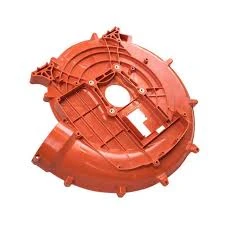
6. Versatility The process can accommodate a wide range of sizes and shapes, making it suitable for various applications. From small, intricate components to larger structural parts, aluminum die casting can produce solutions tailored to the specific needs of different industries.
Applications of Aluminum Die Casting
The versatility of aluminum die casting has led to its widespread use across numerous industries
- Automotive Industry Aluminum die casting is extensively used in the automotive sector to create components such as engine blocks, gear housings, and transmission cases. The lightweight nature of aluminum helps improve fuel efficiency, making it a popular choice for modern vehicles.
- Aerospace Sector In aerospace applications, the accuracy and lightweight properties of aluminum castings are critical. Components such as brackets, housings for electronic equipment, and structural parts are frequently made using aluminum die casting to support safe and efficient flight.
- Electronics The electronics industry relies on aluminum die casting for parts like heat sinks and enclosures. These components not only require excellent thermal properties but also need to be consumer-friendly in terms of appearance.
- Consumer Goods Many everyday products, including appliances and sporting equipment, utilize aluminum die-cast components. The process allows manufacturers to create durable yet lightweight products that appeal to consumers through both function and design.
Conclusion
Aluminum die casting stands as a vital process in modern manufacturing, delivering strength, precision, and efficiency across various applications. Its unique characteristics make it an ideal choice for industries ranging from automotive to aerospace and beyond. As technology continues to advance, the process of aluminum die casting will likely evolve further, opening new avenues for innovation in design and production. Whether for high-performance engines or sleek consumer electronics, the benefits of aluminum die casting will undoubtedly continue to play a significant role in the future of manufacturing.
-
Choosing an Engine Storage Crate Cover for Material and EnvironmentNewsNov.23,2026
-
Cylinder Head Chamber Buyers: Check the Casting Specification FirstNewsNov.17,2026
-
How Impeller Casting Manufacturers Match Material, Process and EquipmentNewsNov.15,2026
-
Valve body vs. intake air chamber: Which casting fits your assembly?NewsNov.02,2026
-
Air Intake Chamber FAQ: Specifications, Ordering and Support QuestionsNewsOct.28,2026
-
Motorcycle Accessories FAQ: Specifications, Ordering and Support QuestionsNewsOct.24,2026










