English

Mobile:+86-311-8081-2683
Email:info@ydcastings.com
English
aluminum continuous casting
Advances in Aluminum Continuous Casting Technology
Aluminum continuous casting is a pivotal process in modern metallurgy, responsible for the production of aluminum alloys used in a myriad of applications across various industries. This method has gained significant traction as it offers distinct advantages over traditional casting techniques, such as increased efficiency, reduced lead times, and enhanced material properties.
The Process of Continuous Casting
Aluminum continuous casting involves the continuous pouring of molten aluminum into a mold, where it solidifies into a desired shape, typically in the form of slabs or billets. The process starts with the melting of aluminum scrap or ingots, followed by temperature control to ensure optimal casting conditions. The molten aluminum is then fed into a water-cooled mold, where it begins to solidify. As the aluminum exits the mold, it is continuously withdrawn and cut into specific lengths.
One of the key benefits of this process is its ability to produce longer lengths of aluminum with a uniform cross-section, reducing the need for secondary processing. The controlled cooling and solidification also minimize defects, enhancing the mechanical properties of the final product.
Benefits of Continuous Casting
Continuous casting offers several advantages over traditional casting methods. Firstly, it significantly enhances production efficiency. The continuous nature of the process allows for a steady output of metal, minimizing downtime and enabling large-scale production. This results in lower production costs and higher profitability, which are critical in a competitive market.
Secondly, the quality of aluminum produced through continuous casting is often superior. The controlled cooling rates help to achieve a fine-grained microstructure, which translates to improved mechanical properties such as strength and ductility. Minimizing inclusions and defects is also easier with this method, making it particularly appealing for industries that require high-performance materials.
aluminum continuous casting
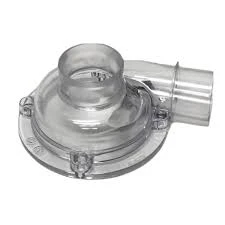
Moreover, the flexibility of the continuous casting process allows manufacturers to produce a wide variety of aluminum alloys tailored to specific applications. This adaptability is crucial in sectors such as automotive, aerospace, and construction, where performance requirements can vary significantly.
Challenges in Continuous Casting
Despite its advantages, aluminum continuous casting is not without challenges. One major issue is maintaining temperature control throughout the process. Any fluctuations in temperature can cause defects in the final product, leading to increased waste and production costs. Therefore, it is essential for manufacturers to invest in advanced monitoring systems that can provide real-time feedback and adjustments during casting.
Another challenge is managing the quality of the raw materials used. Recycled aluminum scrap can contain impurities that affect the quality of the end product. Stringent quality control measures must be implemented to ensure that only suitable materials are used, which can add complexity to the recycling process.
The Future of Continuous Casting
The future of aluminum continuous casting is promising, with ongoing advancements in technology and techniques. Innovations such as automated control systems, advanced mold designs, and improved alloy formulations are expected to enhance the efficiency and quality of the casting process further.
In conclusion, aluminum continuous casting represents a significant advancement in metalworking technology, providing substantial benefits in terms of efficiency, quality, and versatility. As the demand for lightweight and high-strength materials continues to rise, particularly in the context of sustainability and resource conservation, continuous casting will play a crucial role in meeting these demands. Moving forward, the industry must navigate the challenges present while embracing technological advancements to optimize the continuous casting process, ultimately shaping the future of aluminum production.
-
Choosing an Engine Storage Crate Cover for Material and EnvironmentNewsNov.23,2026
-
Cylinder Head Chamber Buyers: Check the Casting Specification FirstNewsNov.17,2026
-
How Impeller Casting Manufacturers Match Material, Process and EquipmentNewsNov.15,2026
-
Valve body vs. intake air chamber: Which casting fits your assembly?NewsNov.02,2026
-
Air Intake Chamber FAQ: Specifications, Ordering and Support QuestionsNewsOct.28,2026
-
Motorcycle Accessories FAQ: Specifications, Ordering and Support QuestionsNewsOct.24,2026










