English

Mobile:+86-311-808-126-83
Email:info@ydcastings.com
English
Aluminum Die Casting Techniques and Best Practices for Efficient Manufacturing
Aluminum Casting Die An Essential Component in Modern Manufacturing
Aluminum casting, an intricate process that transforms molten aluminum into precise components, relies heavily on the use of casting dies. These dies, usually made from high-grade steel or other durable materials, play a pivotal role in shaping the final product, significantly influencing both the efficiency of the production process and the quality of the output.
Understanding the Basics of Aluminum Casting
Aluminum casting involves pouring molten aluminum into a mold, where it solidifies into the desired shape. This process is commonly used to create various industrial components due to aluminum's favorable properties, which include lightweight, corrosion resistance, and excellent thermal and electrical conductivity. There are several methods of aluminum casting, such as sand casting, investment casting, and die casting. Among these, die casting stands out for its ability to produce parts with high dimensional accuracy and smooth surface finishes.
The Role of Casting Dies in Die Casting
Casting dies are specialized molds used in the die casting process. They are generally manufactured in two halves the fixed die and the moving die. The fixed die remains stationary, while the moving die can be opened and closed, allowing for the removal of the cast part. These dies are meticulously engineered to withstand the intense pressures and temperatures associated with die casting.
One of the primary advantages of using aluminum casting dies is their ability to produce high volumes of parts with minimal variation in dimensions. Once a die is created, it can be used repeatedly, making the process highly efficient and cost-effective. Additionally, well-designed dies can lead to shorter cycle times, allowing manufacturers to increase their output without compromising quality.
Material Selection and Design Considerations
aluminum casting die
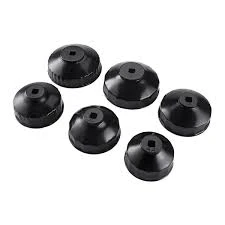
The material used for casting dies significantly impacts their performance and longevity. High-grade steel alloys are often used due to their strength and resistance to deformation under high pressure. However, the design of the die is equally critical. Factors such as the flow of molten aluminum, cooling rates, and the removal of finished parts must be meticulously considered to ensure optimal performance.
Advanced computer-aided design (CAD) tools and simulation software have revolutionized the die design process, enabling engineers to create and test their designs virtually before physical prototypes are produced. This leads to better-performing dies, reduces material waste, and accelerates the production process.
Challenges in Aluminum Die Casting
Despite the advantages, there are challenges associated with aluminum casting dies. One major concern is wear and tear. The repeated exposure to molten metals and high pressures can lead to erosion and cracking of the die, necessitating regular maintenance or replacement. Additionally, the initial costs of developing high-quality dies can be substantial. However, these upfront investments are typically offset by the decrease in production costs over the die's lifespan.
The Future of Aluminum Casting Dies
The future of aluminum casting dies looks promising, driven by advancements in materials science and manufacturing technologies. Innovations such as 3D printing are beginning to influence die production, allowing for quicker and more complex designs that can enhance the performance of the casting process. Moreover, as sustainability becomes a central focus in manufacturing, the development of more eco-friendly die materials and processes will likely gain traction.
In conclusion, aluminum casting dies are fundamental to the die casting process, enabling the production of high-quality, precise components essential in various industries, from automotive to aerospace. As technology continues to evolve, these dies will play an increasingly pivotal role in meeting the demands of modern manufacturing while ensuring efficiency and sustainability.
-
Precision Valve Castings for Agricultural Irrigation and Fluid Control SystemsNewsMay.08,2026
-
Precision Impeller and Compressor Components for Agricultural MachineryNewsMay.08,2026
-
Essential Cast Components for Agricultural Machinery: Oil Management and Motor ProtectionNewsMay.08,2026
-
High-Performance Cast Components for Agricultural Machinery: From Cooling to Exhaust SystemsNewsMay.08,2026
-
Agricultural Valve Castings: Durable Flow Control Solutions for Farm Irrigation SystemsNewsMay.08,2026
-
High-Performance Agricultural Pump Components: Precision Castings for Reliable Farm OperationsNewsMay.08,2026