English

Mobile:+86-311-8081-2683
Email:info@ydcastings.com
English
aluminum casting
The Art and Science of Aluminum Casting
Aluminum casting is a crucial process in the manufacturing industry, known for its versatility, lightweight nature, and excellent mechanical properties. This technique involves pouring molten aluminum into a mold to create a desired shape, which subsequently solidifies into a solid object. The significance of aluminum casting extends across many sectors, from automotive and aerospace to consumer goods and machinery, making it a pivotal component of modern manufacturing.
The Importance of Aluminum
Aluminum is one of the most widely used metals in casting due to its favorable characteristics. It is lightweight, which is essential for industries like aerospace, where reducing weight can enhance fuel efficiency and performance. Additionally, aluminum boasts excellent corrosion resistance, high thermal and electrical conductivity, and good machinability. Its ability to withstand extreme temperatures makes it suitable for various applications, including engine components and structural parts.
The Casting Process
Aluminum casting can be accomplished through several methods, each with its pros and cons. The most common techniques include sand casting, die casting, investment casting, and permanent mold casting.
1. Sand Casting This is one of the oldest and most versatile forms of casting. In this method, a mold is created using sand, which is then compacted around a pattern of the desired shape. Once the mold is prepared, molten aluminum is poured in, filling the cavity. After cooling, the sand mold is broken away to reveal the cast part. Sand casting is affordable and suitable for large or complex parts but may not provide the best surface finish or dimensional accuracy.
2. Die Casting This method involves forcing molten aluminum into a steel mold under high pressure. Die casting produces highly detailed and dimensionally accurate parts, making it ideal for applications requiring precise tolerances. While the initial cost of die casting equipment can be high, the ability to produce large quantities of parts efficiently makes it an attractive option for mass production.
3. Investment Casting Also known as lost-wax casting, this technique uses a wax pattern coated in a ceramic shell. Once the shell hardens, the wax is melted away, leaving a mold that is then filled with molten aluminum. Investment casting allows for intricate designs and provides an excellent surface finish, making it suitable for complex components in industries such as aerospace and medical devices.
aluminum casting
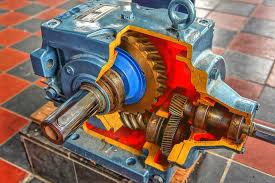
4. Permanent Mold Casting In this method, molten aluminum is poured into a reusable metallic mold. This technique allows for tighter tolerances and better surface finishes compared to sand casting but requires more upfront investment in mold fabrication. It is particularly beneficial for high-volume production runs.
Applications of Aluminum Castings
Aluminum casting finds applications in various industries. In the automotive sector, it is used to manufacture engine blocks, transmission cases, and wheels, contributing to lighter, more fuel-efficient vehicles. In aerospace, aluminum castings are integral to constructing aircraft components that withstand high stress while minimizing weight.
In the consumer goods sector, aluminum castings are found in appliances, electronics, and sporting goods, providing durability and aesthetic appeal. Moreover, aluminum castings are increasingly being utilized in the energy sector, particularly in wind turbine components, where lightweight yet strong materials are essential for efficient operation.
Environmental Considerations
As the world moves towards sustainability, aluminum casting is also making strides. Aluminum is highly recyclable, with about 75% of the aluminum ever produced still in use today. Recycling aluminum requires only about 5% of the energy needed to produce new aluminum from ore, significantly reducing the environmental impact. Many foundries are increasingly focusing on sustainable practices, such as using recycled materials and implementing energy-efficient processes, to minimize their carbon footprint.
Conclusion
Aluminum casting is a sophisticated blend of art and science that plays a vital role in numerous industries. Its ability to produce lightweight, durable, and complex components supports technological advancement and innovation. As the demand for sustainable practices grows, the aluminum casting industry continues to evolve, ensuring it remains integral to modern manufacturing while supporting environmental stewardship. Whether in the automotive, aerospace, or consumer goods sectors, aluminum castings are a testament to engineering excellence, driving progress in today's dynamic world.
-
Choosing an Engine Storage Crate Cover for Material and EnvironmentNewsNov.23,2026
-
Cylinder Head Chamber Buyers: Check the Casting Specification FirstNewsNov.17,2026
-
How Impeller Casting Manufacturers Match Material, Process and EquipmentNewsNov.15,2026
-
Valve body vs. intake air chamber: Which casting fits your assembly?NewsNov.02,2026
-
Air Intake Chamber FAQ: Specifications, Ordering and Support QuestionsNewsOct.28,2026
-
Motorcycle Accessories FAQ: Specifications, Ordering and Support QuestionsNewsOct.24,2026










