English

Mobile:+86-311-8081-2683
Email:info@ydcastings.com
English
Exploring the Benefits and Applications of Aluminum Bronze in Casting Processes
Aluminum Bronze Casting A Comprehensive Overview
Aluminum bronze is a type of metal alloy that consists primarily of copper, with aluminum as the main alloying element. This combination enhances the properties of the bronze, making it highly valuable in various industrial applications. Aluminum bronze casting is a widely used technique due to its excellent mechanical and corrosion-resistant properties. This article provides a comprehensive overview of aluminum bronze casting, exploring its composition, processes, benefits, and applications.
Composition of Aluminum Bronze
Aluminum bronze typically contains about 5% to 12% aluminum, along with trace amounts of other elements such as iron, nickel, and manganese. The specific composition can vary depending on the desired properties of the final product. The presence of aluminum increases the alloy's strength, while copper ensures good ductility and conductivity. Additionally, aluminum bronze displays remarkable resistance to corrosion, particularly in marine environments, where traditional metals may fail.
Casting Process
The casting of aluminum bronze involves several key steps
1. Material Preparation The raw materials, primarily copper and aluminum, are carefully measured according to the desired alloy composition. Additional metals may be included based on specific requirements.
2. Melting The copper and aluminum are melted in a furnace. This process requires careful temperature control to prevent oxidation. The melting point of aluminum bronze varies, typically ranging between 1,200°F to 2,300°F (649°C to 1,260°C), depending on the specific alloy.
3. Pouring Once fully melted, the molten aluminum bronze is poured into molds. These molds can be made from sand, metal, or other materials, depending on the precision required for the final product.
4. Cooling After pouring, the molten metal is allowed to cool and solidify. The cooling rate can affect the microstructure of the alloy and, consequently, its mechanical properties.
5. Finishing Once cooled, the casting is removed from the mold and subjected to various finishing processes, such as machining, grinding, or polishing, to achieve the desired surface finish and dimensional accuracy.
Benefits of Aluminum Bronze Casting
Aluminum bronze casting offers several advantages
1. Corrosion Resistance One of the standout properties of aluminum bronze is its exceptional resistance to corrosion, particularly in saltwater environments. This makes it ideal for marine applications such as ship components, propellers, and underwater fittings.
aluminum bronze casting
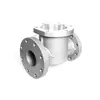
2. High Strength and Durability Aluminum bronze exhibits high tensile strength and durability, making it suitable for applications that require resistance to wear and tear.
4. Versatility Aluminum bronze can be cast into various shapes and sizes, offering flexibility in design and application.
5. Aesthetic Appeal The rich golden-brown color of aluminum bronze gives it an attractive appearance, making it suitable for decorative applications as well as functional ones.
Applications of Aluminum Bronze
Aluminum bronze casting finds numerous applications across different industries
1. Marine Industry Due to its corrosion resistance, aluminum bronze is widely used in shipbuilding, including components such as propellers, valves, and pumps.
2. Aerospace The lightweight and high-strength properties of aluminum bronze make it suitable for certain aerospace components.
3. Oil and Gas Aluminum bronze is utilized in offshore drilling rigs and equipment that demand high corrosion resistance and toughness.
4. Architecture The aesthetic appeal of aluminum bronze lends itself to architectural applications, including ornamental fixtures and hardware.
5. Automotive Components such as bearings and bushings benefit from the wear resistance of aluminum bronze.
Conclusion
Aluminum bronze casting is a highly valued manufacturing technique that combines the best properties of copper and aluminum. With its corrosion resistance, high strength, and versatility, aluminum bronze stands out in various industries. As technology advances and manufacturers seek efficient and durable materials, the role of aluminum bronze casting will likely continue to expand, meeting the demands of an ever-evolving market. From marine applications to decorative uses, aluminum bronze remains a reliable choice for numerous applications, reflecting both historical significance and modern innovation.
-
Choosing an Engine Storage Crate Cover for Material and EnvironmentNewsNov.23,2026
-
Cylinder Head Chamber Buyers: Check the Casting Specification FirstNewsNov.17,2026
-
How Impeller Casting Manufacturers Match Material, Process and EquipmentNewsNov.15,2026
-
Valve body vs. intake air chamber: Which casting fits your assembly?NewsNov.02,2026
-
Air Intake Chamber FAQ: Specifications, Ordering and Support QuestionsNewsOct.28,2026
-
Motorcycle Accessories FAQ: Specifications, Ordering and Support QuestionsNewsOct.24,2026










