English

Mobile:+86-311-808-126-83
Email:info@ydcastings.com
English
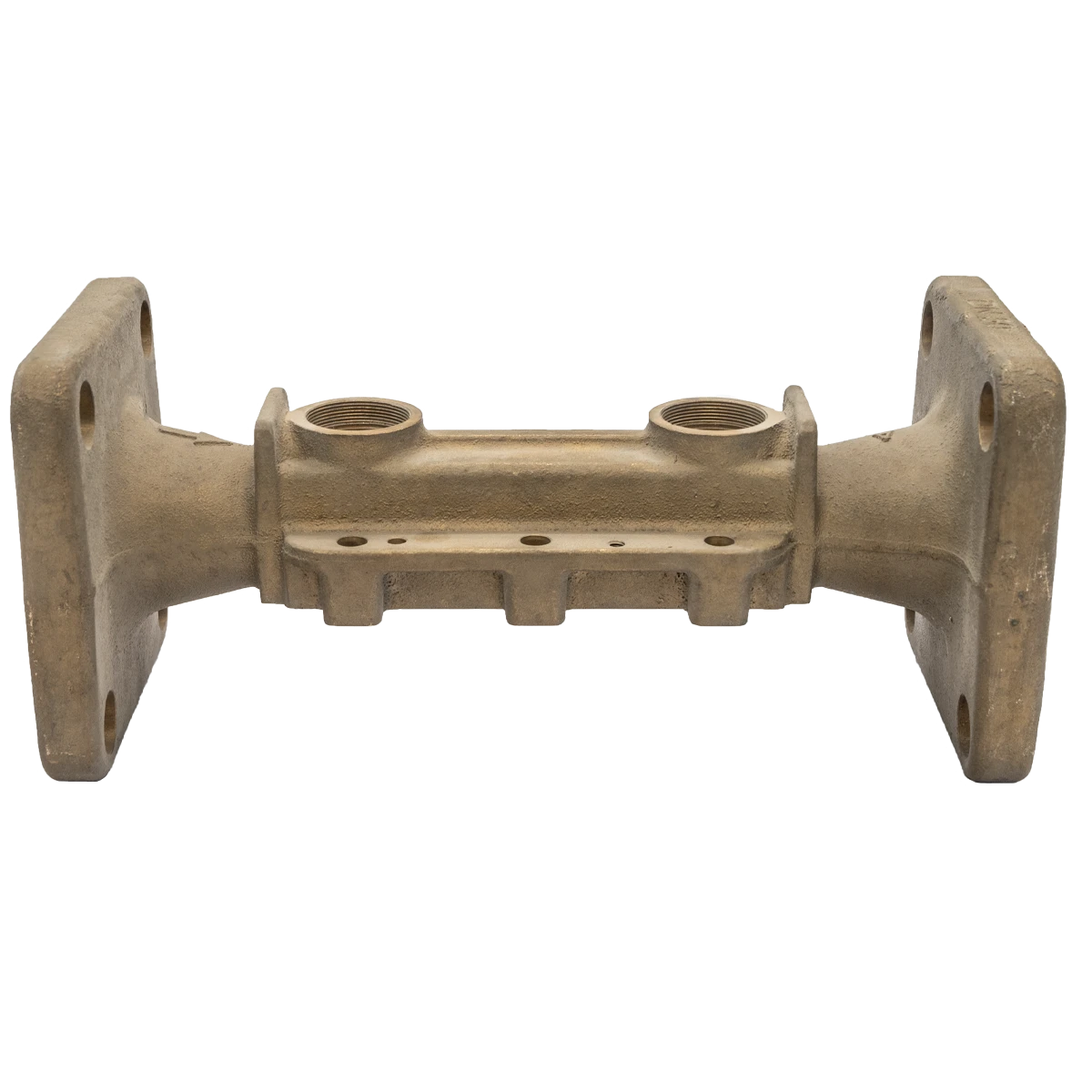
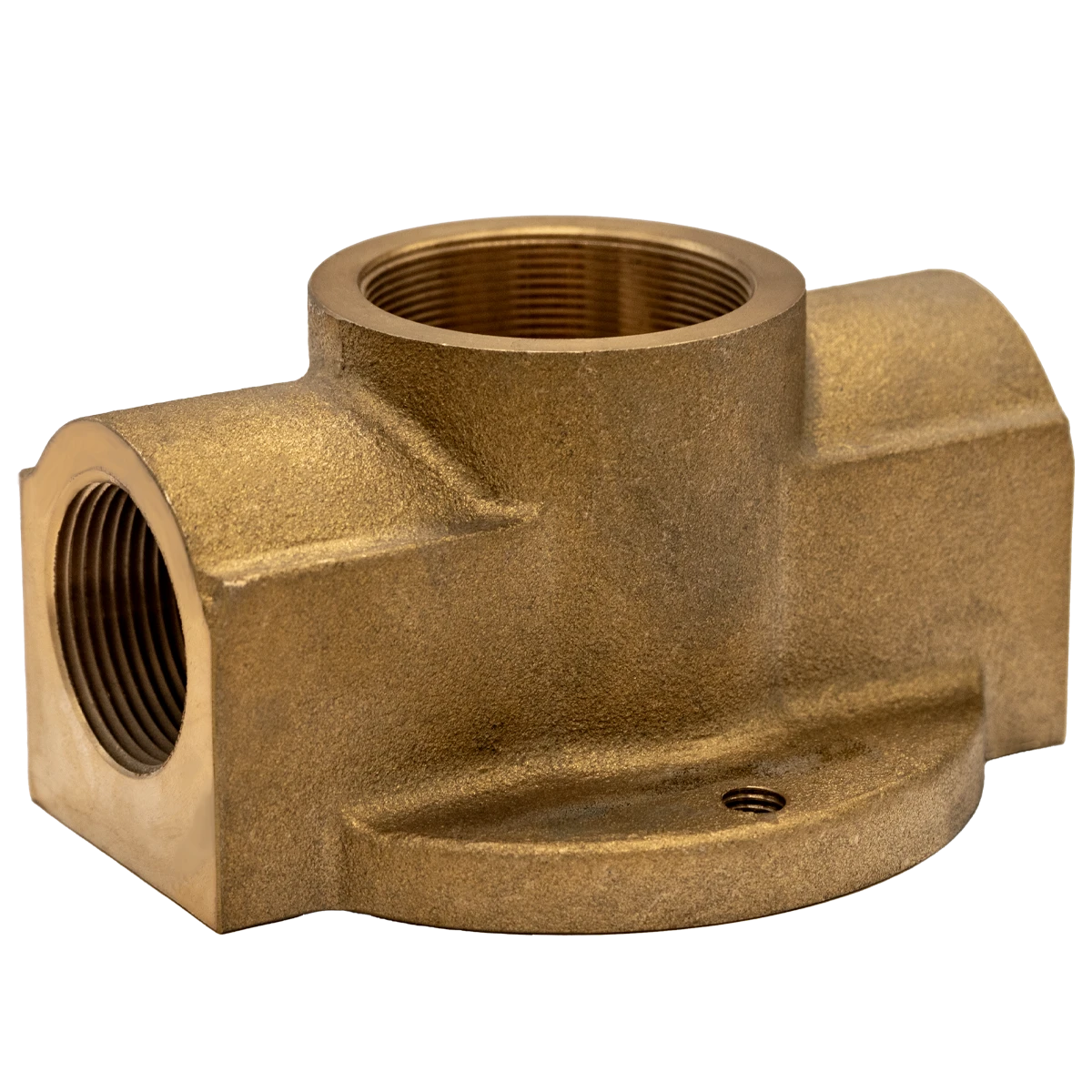
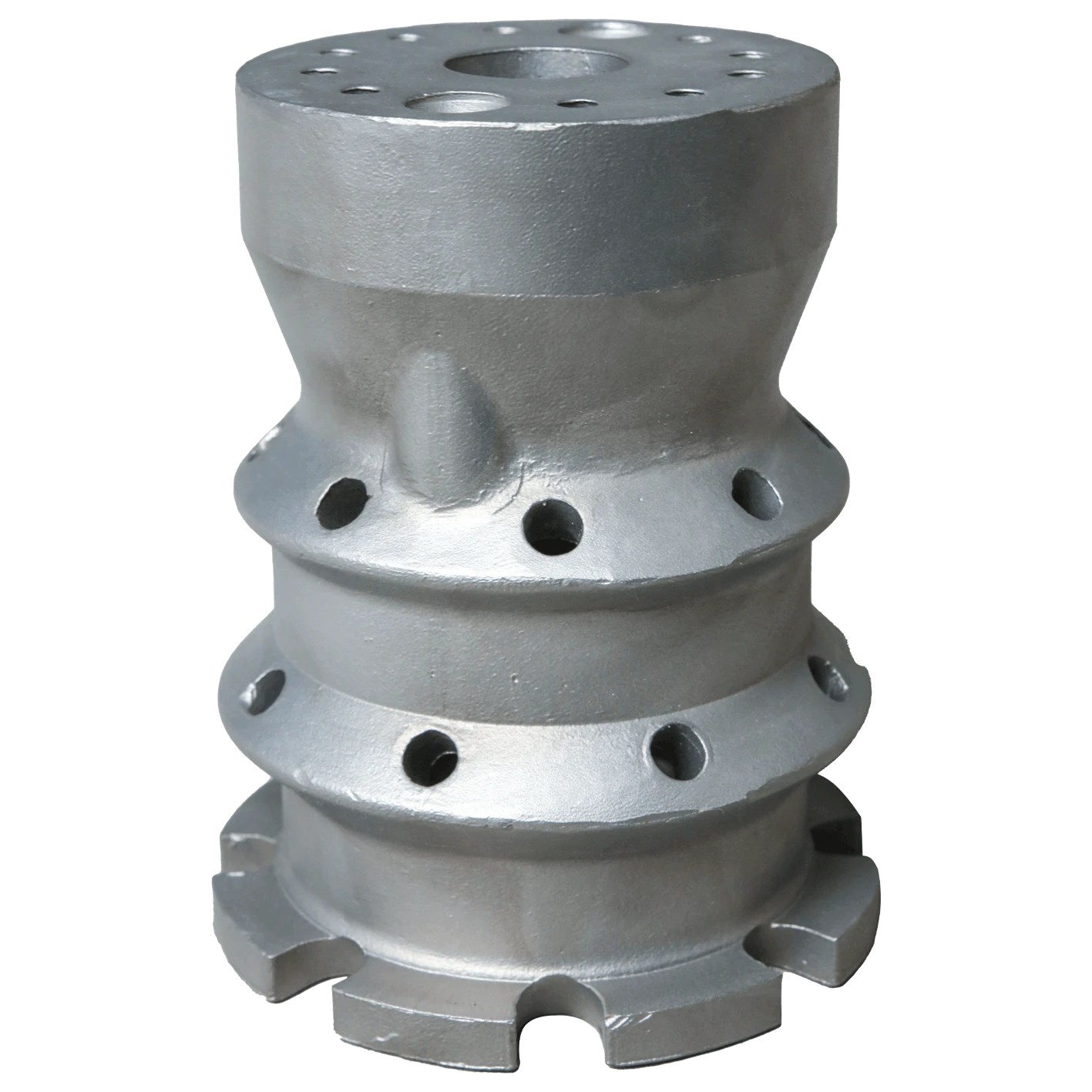
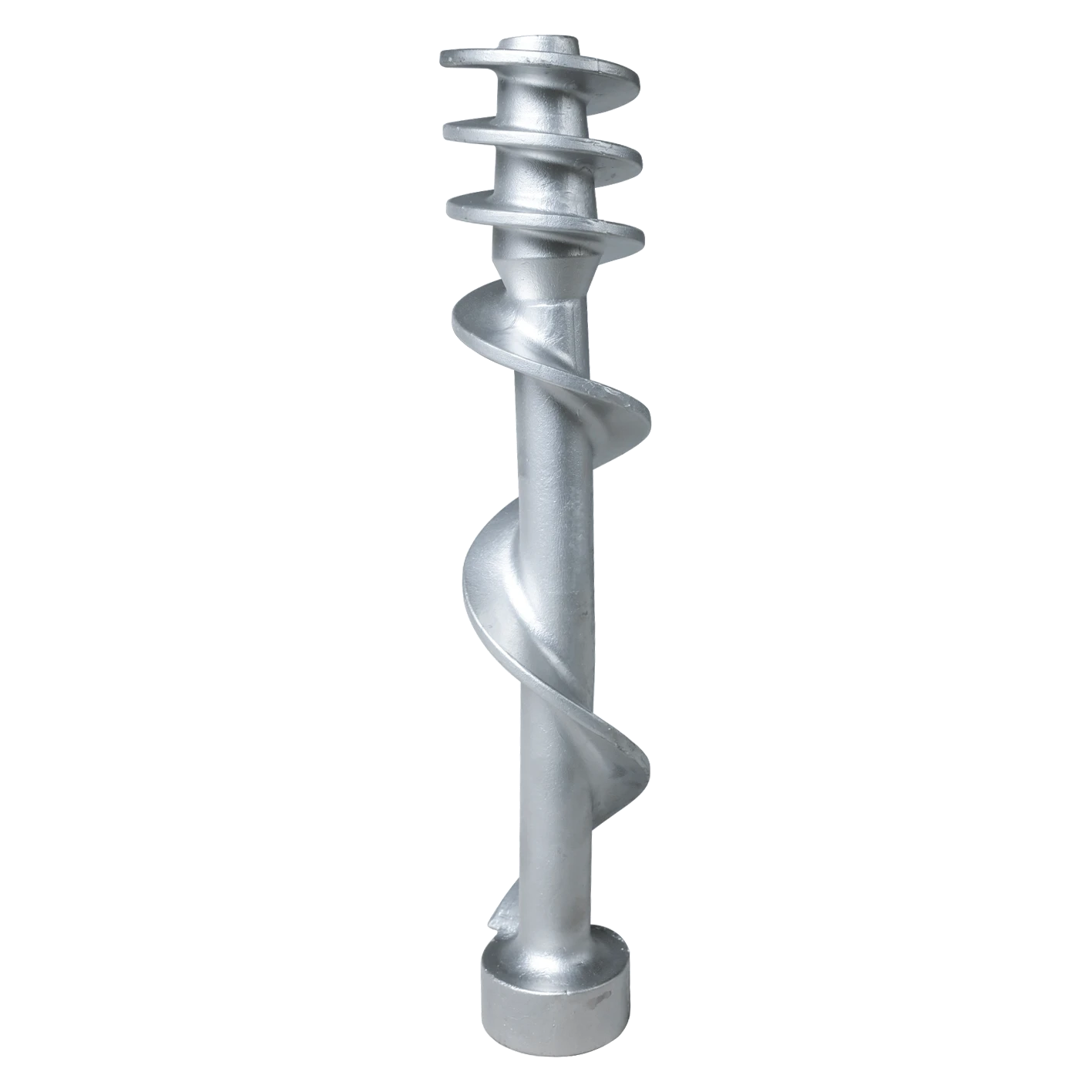
aluminum alloy die casting
The Benefits and Applications of Aluminum Alloy Die Casting
Aluminum alloy die casting is a highly efficient manufacturing process commonly used to produce complex shapes and parts with great precision. This process utilizes molten aluminum, which is injected into a mold under high pressure, allowing for rapid production of high-quality components. As industries continue to evolve, the demand for lightweight, durable, and corrosion-resistant materials has prompted the increased use of aluminum alloys in die casting. This article explores the numerous benefits and applications of aluminum alloy die casting.
Advantages of Aluminum Alloy Die Casting
One of the primary benefits of aluminum alloy die casting is the remarkable strength-to-weight ratio of aluminum. Aluminum is significantly lighter than many other metals, making it an ideal choice for applications that require weight reduction without compromising structural integrity. This characteristic is particularly advantageous in the automotive and aerospace industries, where reducing weight contributes directly to improved fuel efficiency and performance.
Another significant advantage is the superior corrosion resistance offered by aluminum alloys. Unlike steel, which can rust and corrode over time, aluminum naturally forms a protective oxide layer when exposed to air. This property extends the lifespan of die-cast components, making them suitable for harsh environments and applications, such as marine and outdoor uses.
Additionally, aluminum alloy die casting provides excellent dimensional accuracy and surface finish. The high-pressure injection process allows for tight tolerances and intricate designs, resulting in parts that require little to no machining. This not only saves time and reduces costs but also ensures that components maintain their specifications over extended periods.
Aluminum alloys' thermal and electrical conductivity also makes them suitable for various applications. Components such as heat sinks, electronic housings, and other electrical parts benefit from the efficient heat dissipation properties of aluminum. This ensures optimal performance while maintaining safety standards.
Applications of Aluminum Alloy Die Casting
aluminum alloy die casting
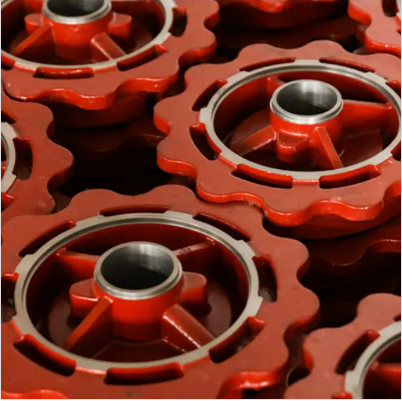
The versatility of aluminum alloy die casting makes it applicable across multiple industries.
1. Automotive Industry In the automotive sector, aluminum die-cast components are used in engines, transmission housings, and wheels. The lightweight nature of aluminum contributes to enhanced fuel efficiency and better overall performance while reducing emissions. Moreover, as electric vehicles become more prevalent, the demand for lightweight materials continues to grow, further boosting the role of aluminum.
2. Aerospace Industry Aluminum alloy die casting is critical in the aerospace field, where weight reduction is paramount for performance and fuel efficiency. Components such as brackets, housings, and structural elements benefit from aluminum's properties, which help aircraft achieve optimal lift and minimize operational costs.
3. Consumer Electronics Many consumer electronics, including smartphones and laptops, utilize aluminum components for their lightweight and durable characteristics. Die-cast aluminum housings provide an aesthetically pleasing finish and safeguard sensitive internal components from damage while maintaining a sleek design.
4. Industrial Applications In industrial settings, aluminum alloy die casting is used to produce parts for machinery, tools, and equipment. The strength and resistance to heat and corrosion make aluminum components ideal for demanding applications such as pumps, valves, and other critical machinery parts.
5. Medical Devices The medical industry also benefits from aluminum die casting, where precision and reliability are crucial. Components for surgical instruments, diagnostic devices, and protective casings can all be produced using this method, ensuring that they meet stringent safety and performance standards.
Conclusion
In conclusion, aluminum alloy die casting offers a myriad of benefits, including lightweight strength, corrosion resistance, exceptional dimensional accuracy, and versatility. Its wide range of applications—from automotive and aerospace to consumer electronics and industrial machinery—underscores its significance in modern manufacturing. As industries continue to seek innovative solutions for performance optimization and sustainability, aluminum alloy die casting will undoubtedly play a vital role in shaping the future of production processes and product design.
-
Precision Valve Castings for Agricultural Irrigation and Fluid Control SystemsNewsMay.08,2026
-
Precision Impeller and Compressor Components for Agricultural MachineryNewsMay.08,2026
-
Essential Cast Components for Agricultural Machinery: Oil Management and Motor ProtectionNewsMay.08,2026
-
High-Performance Cast Components for Agricultural Machinery: From Cooling to Exhaust SystemsNewsMay.08,2026
-
Agricultural Valve Castings: Durable Flow Control Solutions for Farm Irrigation SystemsNewsMay.08,2026
-
High-Performance Agricultural Pump Components: Precision Castings for Reliable Farm OperationsNewsMay.08,2026