English

Mobile:+86-311-8081-2683
Email:info@ydcastings.com
English
Aluminium Mold Casting Techniques for Enhanced Durability and Precision in Metal Fabrication
Aluminium Mold Casting An Overview
Aluminium mold casting is a manufacturing process that has gained significant popularity in recent years due to its efficiency, versatility, and the superior properties of aluminium. As industries strive for innovative solutions and cost-effectiveness, aluminium mold casting emerges as a favored method for producing complex and high-quality components.
At its core, aluminium mold casting involves pouring molten aluminium into a mold cavity, which is then allowed to solidify. This process can be categorized into two main types sand casting and permanent mold casting. Sand casting utilizes a sand-based mold that can be easily formed and reused, making it ideal for intricate designs and one-off productions. On the other hand, permanent mold casting uses metal molds that can withstand high temperatures and repeated usage, allowing for a more efficient mass production of components with tighter tolerances.
Aluminium Mold Casting An Overview
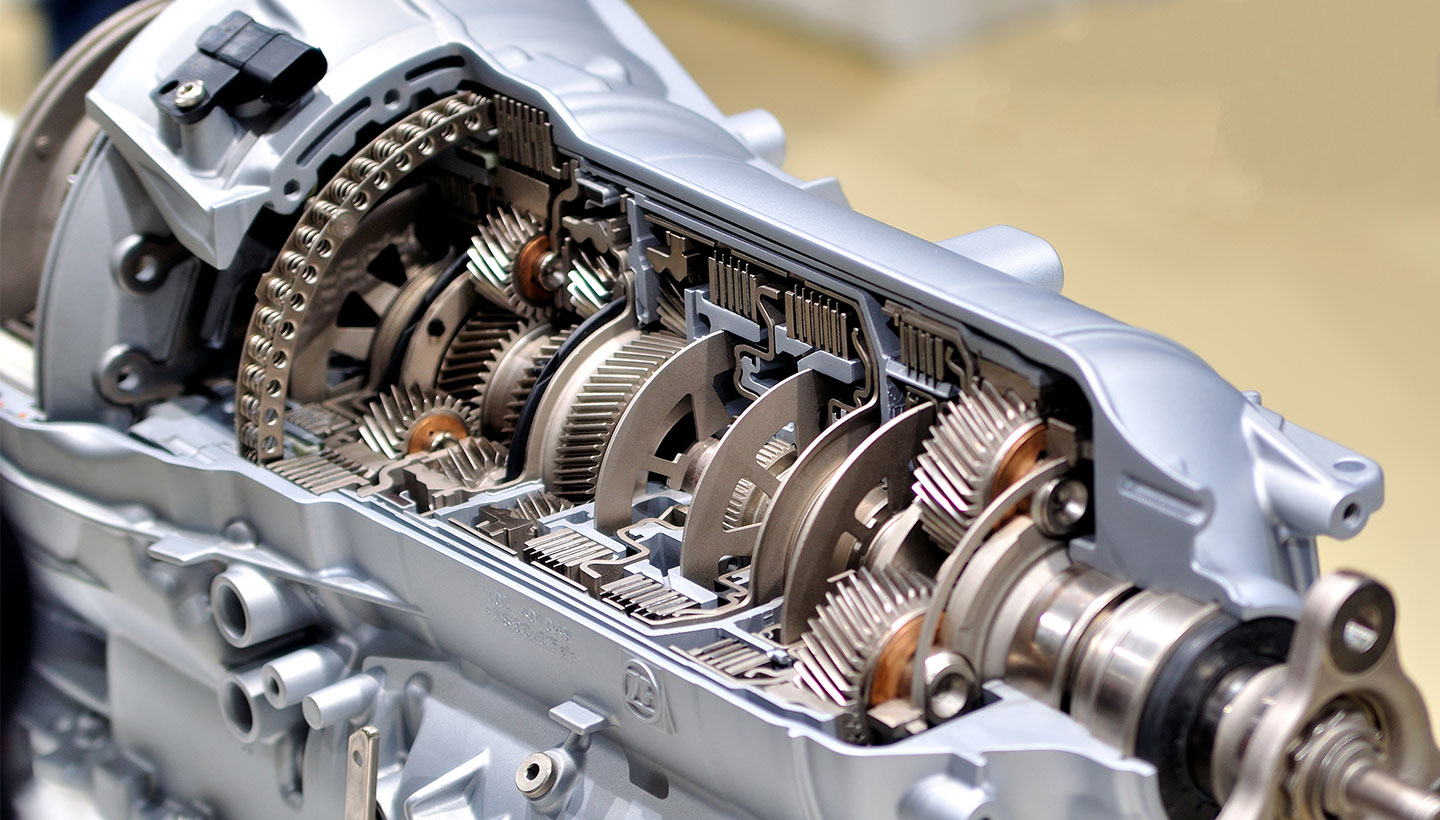
Another notable benefit of aluminium mold casting is its ability to produce intricate designs with a high degree of accuracy. The smooth finish achieved through the casting process minimizes the need for extensive post-processing. This not only saves time but also reduces production costs. The versatility of aluminium allows for a wide range of applications, from engine blocks and transmission cases in vehicles to decorative fixtures in architecture.
aluminium mould casting
However, the process is not without its challenges. One of the key considerations in aluminium mold casting is the temperature control during the cooling process. Rapid cooling can lead to defects such as cracking or warping, while slow cooling may result in poor mechanical properties. Therefore, manufacturers must carefully regulate the cooling rates to ensure the integrity of the final product.
In addition, the choice of alloy is critical in determining the properties of the cast component. Different aluminium alloys offer varying levels of strength, corrosion resistance, and workability. This requires manufacturers to possess a deep understanding of materials science and engineering principles to select the appropriate alloy for each specific application.
Sustainability is another important factor in the modern manufacturing landscape, and aluminium mold casting aligns well with environmental considerations. Aluminium is 100% recyclable without losing its properties. This not only reduces waste but also lowers the energy consumption associated with producing new aluminium. The ease of recycling makes aluminium mold casting a more sustainable choice compared to other materials, further enhancing its appeal in today’s eco-conscious market.
Looking to the future, advancements in technology are poised to revolutionize aluminium mold casting. The integration of automation and robotics can improve efficiency and precision in the manufacturing process. Furthermore, computer-aided design (CAD) and simulation software can help predict potential defects and optimize mold designs before production begins. Such innovations are likely to make aluminium mold casting even more attractive to manufacturers seeking a competitive edge.
In conclusion, aluminium mold casting represents a robust and efficient method for producing high-quality components across a range of industries. With its impressive material properties, ability to create complex shapes, and alignment with sustainable practices, aluminium casting is well-positioned to meet the evolving demands of modern manufacturing. As technology progresses and new alloys are developed, aluminium mold casting will undoubtedly continue to play a crucial role in advancements across various sectors, paving the way for innovative designs and sustainable production methods in the future.
-
Choosing an Engine Storage Crate Cover for Material and EnvironmentNewsNov.23,2026
-
Cylinder Head Chamber Buyers: Check the Casting Specification FirstNewsNov.17,2026
-
How Impeller Casting Manufacturers Match Material, Process and EquipmentNewsNov.15,2026
-
Valve body vs. intake air chamber: Which casting fits your assembly?NewsNov.02,2026
-
Air Intake Chamber FAQ: Specifications, Ordering and Support QuestionsNewsOct.28,2026
-
Motorcycle Accessories FAQ: Specifications, Ordering and Support QuestionsNewsOct.24,2026










