English

Mobile:+86-311-8081-2683
Email:info@ydcastings.com
English
Aluminum Ingot Casting Processes and Techniques for Efficient Metal Production
The Process of Aluminium Ingot Casting
Aluminium is one of the most widely used metals in the world due to its exceptional properties such as lightweight, corrosion resistance, and high strength-to-weight ratio. The production of aluminium ingots is a crucial step in the aluminium supply chain, serving as the primary form in which aluminium is sold and transported to manufacturers. This article explores the process of aluminium ingot casting, its significance, and various techniques involved.
Overview of Aluminium Ingot Production
Aluminium ingot production begins with the extraction of bauxite ore, which undergoes a refining process known as the Bayer process. This process converts bauxite into alumina (aluminium oxide), which is then reduced to aluminium metal through electrolysis in a smelting process. The molten aluminium is subsequently poured into molds to create ingots, which can vary in size but typically weigh between 900 kg to over 1,000 kg.
The Casting Process
The casting process of aluminium ingots involves several key steps
1. Melting The first step is to melt the aluminium scrap or primary aluminium in a furnace. The temperature is carefully controlled, typically around 700 to 800 degrees Celsius. The metal is often alloyed with other metals to enhance its properties based on the intended application.
2. Degassing Once the aluminium is molten, it is crucial to remove any dissolved gases, such as hydrogen, which can affect the quality of the final product. This is achieved through a process known as degassing, often using inert gases like argon or nitrogen, or through the addition of degassing agents.
3. Alloying If required, specific alloying elements (such as silicon, copper, magnesium, or zinc) are added to the molten aluminium to achieve desired mechanical and chemical properties. The right combination of alloys can significantly impact the performance of the end product.
aluminium ingot casting
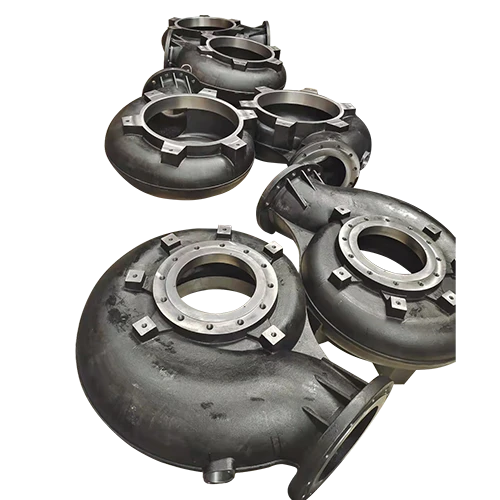
4. Pouring The molten aluminium is then poured into preheated molds. The molds can be made from a variety of materials, including metal or graphite, to withstand high temperatures. The design of the mold is crucial as it influences the solidification rate and, consequently, the structure of the ingots.
5. Cooling After the molten metal fills the molds, it begins to cool and solidify. The cooling rate is critical; too rapid cooling can cause cracking or warping, while too slow can lead to an improper crystalline structure. Some manufacturers employ techniques like controlled cooling or forced air to achieve the desired solidification rate.
6. Ejection and Finishing Once solidified, the ingots are removed from the molds. Depending on the manufacturer’s specifications, they may undergo several finishing processes such as sawing, surface cleaning, or heat treatment to enhance their mechanical properties.
Quality Control
Ensuring the quality of aluminium ingots is essential for downstream applications. Manufacturers implement rigorous quality control measures to check for defects, alloy composition, and mechanical properties. Tests such as tensile strength, elongation, and hardness are conducted to ensure that the ingots meet industry standards and customer requirements.
Significance of Aluminium Ingots
Aluminium ingots serve as a foundational material in various industries, including automotive, aerospace, construction, and packaging. The lightweight nature of aluminium improves fuel efficiency in vehicles and reduces emissions, while its resistance to corrosion extends the lifespan of products. Additionally, the recyclability of aluminium makes it an environmentally friendly choice, aligning well with global sustainability goals.
Conclusion
Aluminium ingot casting is a sophisticated process that plays a vital role in the aluminium industry. The careful control of each stage—from melting to cooling—ensures the production of high-quality ingots ready for diverse applications. As industries increasingly seek materials that combine performance with environmental responsibility, aluminium ingots will continue to be an essential part of the global materials landscape, supporting innovation and sustainability for years to come.
-
Choosing an Engine Storage Crate Cover for Material and EnvironmentNewsNov.23,2026
-
Cylinder Head Chamber Buyers: Check the Casting Specification FirstNewsNov.17,2026
-
How Impeller Casting Manufacturers Match Material, Process and EquipmentNewsNov.15,2026
-
Valve body vs. intake air chamber: Which casting fits your assembly?NewsNov.02,2026
-
Air Intake Chamber FAQ: Specifications, Ordering and Support QuestionsNewsOct.28,2026
-
Motorcycle Accessories FAQ: Specifications, Ordering and Support QuestionsNewsOct.24,2026










