English

Mobile:+86-311-8081-2683
Email:info@ydcastings.com
English
Cost Factors for Aluminium Die Casting and Pricing Trends in the Industry
Understanding Aluminium Die Casting Prices
Aluminium die casting is a manufacturing process that involves the injection of molten aluminium into a steel mold to produce complex shapes and components. This method is known for its high precision and surface finish, making it a popular choice in various industries, including automotive, aerospace, and consumer goods. However, understanding the factors that influence aluminium die casting prices is crucial for manufacturers and buyers alike.
1. Raw Material Costs One of the primary factors affecting die casting prices is the cost of raw materials. Aluminium prices can fluctuate based on global supply and demand, economic conditions, and production costs. For instance, an increase in the price of bauxite, the primary ore of aluminium, or a rise in energy prices, can lead to higher aluminium casting prices. Buyers need to remain vigilant and informed about market trends to negotiate better rates.
2. Mold Design and Construction The complexity of the mold significantly impacts the overall cost of the die casting process. More intricate designs may require advanced tooling, which can be costly. High-quality molds made from durable materials are essential to withstand the pressures and temperatures associated with the die casting process. The mold’s design also affects the production speed and the number of parts that can be produced in a single run. Therefore, upfront investments in mold design should be weighed against potential long-term savings from reduced production costs.
aluminium die casting price
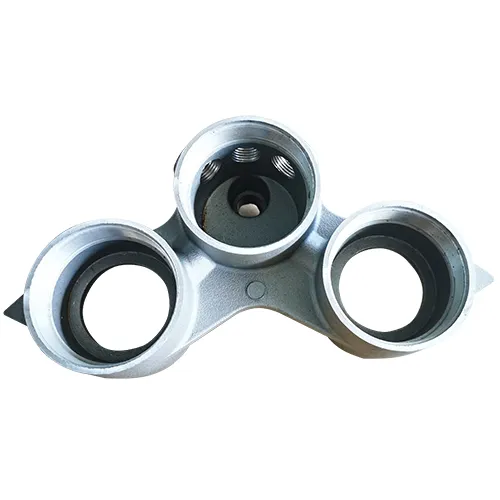
3. Volume of Production Aluminium die casting is particularly cost-effective for high-volume production. The initial setup costs for creating molds and tooling can be high, but when spread over a large quantity of parts, the per-unit cost tends to decrease significantly. In contrast, low-volume production runs may not benefit from the economies of scale, resulting in higher costs per unit. Manufacturers often optimize their production strategy by determining the most suitable volume that balances cost and demand.
4. Additional Finishing Processes After casting, many parts require secondary finishing processes like machining, polishing, anodizing, or powder coating. These additional steps can add to the overall cost of the product. Depending on the end use of the component, buyers may need to consider these supplementary expenses when budgeting for a project. It's essential to assess whether the benefits of these processes justify the added costs, especially if aesthetics or specific performance characteristics are paramount.
5. Labour and Overhead Costs The labour involved in the die casting process, from setup to operation and finishing, also influences pricing. Regions with higher labor costs will naturally see higher overall casting prices. Additionally, overhead costs, including utilities, maintenance, and administrative expenses, can vary significantly by location. Globalization has allowed some manufacturers to outsource parts of the production process to take advantage of lower labour costs, which can reflect on the final price.
Conclusion In summary, aluminium die casting prices are influenced by a multitude of factors, including raw material costs, mold complexity, production volume, finishing processes, and labour expenses. For buyers and manufacturers looking to optimize costs, understanding these variables is essential. Engaging with experienced suppliers, exploring alternative materials or processes, and analyzing production needs can lead to more informed purchasing decisions. As the demand for high-quality, cost-effective components continues to rise, staying abreast of market trends and technological advancements will be vital for success in the aluminium die casting sector.
-
Choosing an Engine Storage Crate Cover for Material and EnvironmentNewsNov.23,2026
-
Cylinder Head Chamber Buyers: Check the Casting Specification FirstNewsNov.17,2026
-
How Impeller Casting Manufacturers Match Material, Process and EquipmentNewsNov.15,2026
-
Valve body vs. intake air chamber: Which casting fits your assembly?NewsNov.02,2026
-
Air Intake Chamber FAQ: Specifications, Ordering and Support QuestionsNewsOct.28,2026
-
Motorcycle Accessories FAQ: Specifications, Ordering and Support QuestionsNewsOct.24,2026










