English

Mobile:+86-311-8081-2683
Email:info@ydcastings.com
English
Aluminum Foundry Manufacturing High-Quality Cast Products for Diverse Industries
The Evolution and Importance of Aluminium Casting Factories
Aluminium casting has emerged as a pivotal process in the manufacturing industry, enabling the production of lightweight, durable components that are essential for various applications—from automotive to aerospace, electronics, and beyond. As demand for aluminium components continues to rise, the role of aluminium casting factories has evolved significantly, adopting advanced technologies and practices to meet industry standards. This article explores the significance, processes, and future of aluminium casting factories.
The Significance of Aluminium Casting
Aluminium is known for its excellent mechanical properties, corrosion resistance, and low density, making it an ideal material for casting. The aluminium casting industry plays a critical role in producing parts that require precision and efficiency. Industries rely on aluminium casting for components such as engine blocks, transmission cases, and structural parts that must withstand demanding conditions while maintaining a lightweight profile.
Aluminium casting processes can be broadly categorized into several techniques, including sand casting, die casting, and investment casting. Each method has its advantages based on the specific requirements of the component being manufactured. For instance, sand casting is versatile and cost-effective for producing large parts, while die casting is suitable for high-volume production of smaller, intricate parts.
The Casting Process
The process of aluminium casting typically begins with the melting of aluminium in a furnace. The molten aluminium is then poured into a pre-prepared mold that determines the shape of the final product. Once the molten metal cools and solidifies, the mold is removed, revealing the cast component. Post-casting, components often undergo additional processes such as trimming, machining, and surface treatment to achieve the desired specifications and finish.
aluminium casting factory
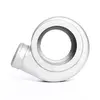
To ensure high-quality products, aluminium casting factories have invested in modern technologies, including computer-aided design (CAD) and computer numerical control (CNC) machining. These advancements allow factories to achieve greater precision in the casting process, reducing waste and improving the overall quality of the cast components. Additionally, the implementation of automation and robotics has streamlined production processes, enhancing efficiency and safety in the workplace.
Environmental Considerations
As industries increasingly focus on sustainability, aluminium casting factories are adapting and adopting environmentally friendly practices. Aluminium is 100% recyclable, and recycling aluminium consumes significantly less energy compared to producing new aluminium. Many casting factories have implemented recycling programs, reusing scrap materials generated during production, which not only reduces waste but also lowers production costs.
Moreover, advancements in green casting technologies, such as the use of water-based coatings and eco-friendly release agents, have minimized the environmental impact of traditional casting processes. Factories are also focusing on reducing emissions and energy consumption, aligning with global sustainability goals.
Future Prospects
The future of aluminium casting factories appears promising as demand for lightweight materials in various industries continues to rise. The automotive and aerospace sectors, in particular, are pushing for innovative designs that enhance fuel efficiency and reduce emissions. As electric vehicles become more prevalent, the need for lightweight components will further accelerate the growth of aluminium casting.
In conclusion, aluminium casting factories are integral to modern manufacturing, offering solutions that meet the demands of various industries while also embracing sustainable practices. With ongoing advancements in technology and a growing commitment to environmental stewardship, these factories are poised to play an even more significant role in the future of production, supporting the transition to a more sustainable and efficient industrial landscape.
-
Choosing an Engine Storage Crate Cover for Material and EnvironmentNewsNov.23,2026
-
Cylinder Head Chamber Buyers: Check the Casting Specification FirstNewsNov.17,2026
-
How Impeller Casting Manufacturers Match Material, Process and EquipmentNewsNov.15,2026
-
Valve body vs. intake air chamber: Which casting fits your assembly?NewsNov.02,2026
-
Air Intake Chamber FAQ: Specifications, Ordering and Support QuestionsNewsOct.28,2026
-
Motorcycle Accessories FAQ: Specifications, Ordering and Support QuestionsNewsOct.24,2026










