English

Mobile:+86-311-8081-2683
Email:info@ydcastings.com
English
Exploring Opportunities in the Aluminum Casting Industry for Sustainable Growth and Innovation
The Aluminium Casting Business An Overview
The aluminium casting business has emerged as a critical segment in the manufacturing industry, driven by the increasing demand for lightweight yet robust materials across various sectors, including automotive, aerospace, and consumer goods. Aluminium casting involves pouring molten aluminium into molds to create desired shapes and components, a process that offers numerous advantages over other materials and manufacturing methods.
The Advantages of Aluminium Casting
One of the primary benefits of aluminium casting lies in the metal’s excellent properties. Aluminium is not only lightweight but also offers corrosion resistance, good thermal and electrical conductivity, and is non-magnetic. These attributes make it an ideal choice for parts that require durability without adding excessive weight. Moreover, aluminium has a high strength-to-weight ratio, which is particularly advantageous in industries like automotive, where reducing vehicle weight can improve fuel efficiency and performance.
Additionally, aluminium casting techniques allow for intricate designs and precise tolerances. Processes such as sand casting, die casting, and investment casting can produce complex shapes with detailed specifications, meeting the needs of various applications. The versatility in manufacturing processes means businesses can choose the method that best fits their product requirements and budget constraints.
Market Trends and Growth Drivers
The global aluminium casting market has been witnessing significant growth, with several factors contributing to this trend. The automotive sector is one of the primary drivers, as manufacturers increasingly adopt lightweight components to improve vehicle efficiency and reduce emissions. The rise in electric vehicles (EVs) has also spurred demand for aluminium casting, as EV manufacturers seek materials that enhance performance while ensuring structural integrity.
Moreover, the aerospace industry is another critical market, with aluminium being extensively used for aircraft components due to its lightweight nature and strength. With ongoing advancements in aerospace technology and a growing focus on fuel efficiency, the demand for aluminium cast parts is likely to continue rising.
Additionally, the consumer goods sector is exploring aluminium casting for various applications, including electronics, appliances, and sporting goods. As design trends continue to evolve, consumers are increasingly seeking products that are not only functional but also aesthetically pleasing, a demand that aluminium casting can meet effectively.
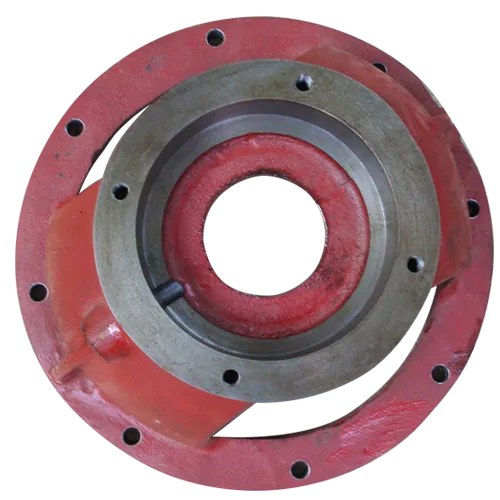
aluminium casting business
Challenges in the Aluminium Casting Business
Despite its advantages and growth potential, the aluminium casting industry faces several challenges. One significant issue is the volatility of aluminium prices, which can be influenced by global market conditions, geopolitical factors, and supply chain disruptions. Manufacturers must navigate these fluctuations to maintain profitability and competitiveness.
Furthermore, the casting process itself presents technical challenges. Ensuring consistent quality, reducing defects, and optimizing production processes require skilled labor and state-of-the-art technology. Companies must invest in advanced casting techniques and quality control measures to meet the stringent standards of various industries, particularly aerospace and automotive.
Sustainability is another critical concern. As environmental regulations become stricter, the aluminium casting industry must focus on reducing waste and energy consumption. Implementing recycling initiatives and utilizing greener practices will not only help companies comply with regulations but also appeal to environmentally conscious consumers.
The Future of the Aluminium Casting Industry
Looking ahead, the aluminium casting industry is poised for further growth, propelled by technological advancements and a shifting market landscape. Innovations such as 3D printing and additive manufacturing are beginning to play a role in aluminium casting, allowing for even more complex designs and reduced material wastage.
As the demand for sustainable practices increases, companies that prioritize recycling and energy-efficient processes will likely gain a competitive edge. Collaborations between manufacturers and research institutions to develop eco-friendly casting technologies can lead to significant advancements in the industry.
In conclusion, the aluminium casting business presents a wealth of opportunities, driven by its numerous advantages and the growing demand across various sectors. While challenges exist, the ongoing advancements and a focus on sustainability will shape the future of this vital industry, ensuring its relevance and growth in the coming years. Companies that adapt to market demands and invest in innovation will find themselves well-positioned to thrive in the competitive landscape of aluminium casting.
-
Choosing an Engine Storage Crate Cover for Material and EnvironmentNewsNov.23,2026
-
Cylinder Head Chamber Buyers: Check the Casting Specification FirstNewsNov.17,2026
-
How Impeller Casting Manufacturers Match Material, Process and EquipmentNewsNov.15,2026
-
Valve body vs. intake air chamber: Which casting fits your assembly?NewsNov.02,2026
-
Air Intake Chamber FAQ: Specifications, Ordering and Support QuestionsNewsOct.28,2026
-
Motorcycle Accessories FAQ: Specifications, Ordering and Support QuestionsNewsOct.24,2026










