English

Mobile:+86-311-808-126-83
Email:info@ydcastings.com
English
Innovative Techniques in Aluminium Alloy Investment Casting for Enhanced Performance and Durability
Aluminium Alloy Investment Casting A Comprehensive Overview
Aluminium alloy investment casting is a highly refined manufacturing process widely used to produce complex and precision components in various industries. Due to its favorable properties, including light weight, excellent corrosion resistance, and good mechanical strength, aluminium and its alloys have become popular materials in sectors such as aerospace, automotive, electronics, and marine applications. This article aims to provide an in-depth understanding of the investment casting process, advantages, applications, and considerations when choosing aluminium alloys for casting.
The Investment Casting Process
The investment casting process, also known as lost-wax casting, involves several critical steps. First, a pattern of the desired component is created using a material that can withstand high temperatures, often wax or a thermoplastic material. This pattern is then coated with a ceramic shell, which is built up through repeated dipping and drying to ensure a robust mold.
Once the shell has completely hardened, the wax or thermoplastic material is melted and drained away, leaving behind a hollow ceramic mold. The mold is then heated to remove any residual traces of the pattern and to enhance the structural integrity of the mold itself. The next step is to pour molten aluminium alloy into the mold cavity, allowing it to cool and solidify. Finally, the ceramic shell is broken away to reveal the cast component, which may require some finishing processes such as machining, polishing, or coating to meet specific tolerances and surface finishes.
Advantages of Aluminium Alloy Investment Casting
The use of aluminium alloys in the investment casting process brings numerous benefits. One of the most significant advantages is the ability to create intricate shapes with high dimensional precision. This feature is particularly beneficial in industries where component geometry is critical for performance, such as in aerospace structures.
Additionally, aluminium alloys exhibit excellent strength-to-weight ratios, making them ideal for applications that require lightweight components without compromising structural integrity. The cast components also benefit from improved fatigue resistance, excellent thermal and electrical conductivity, and enhanced corrosion resistance compared to traditional materials.
Another advantage is the ability to minimize material waste. The investment casting process is efficient, as the molds can be designed to optimize the use of material, resulting in less scrap. This efficiency not only reduces manufacturing costs but also aligns with sustainability goals in today’s manufacturing environment.
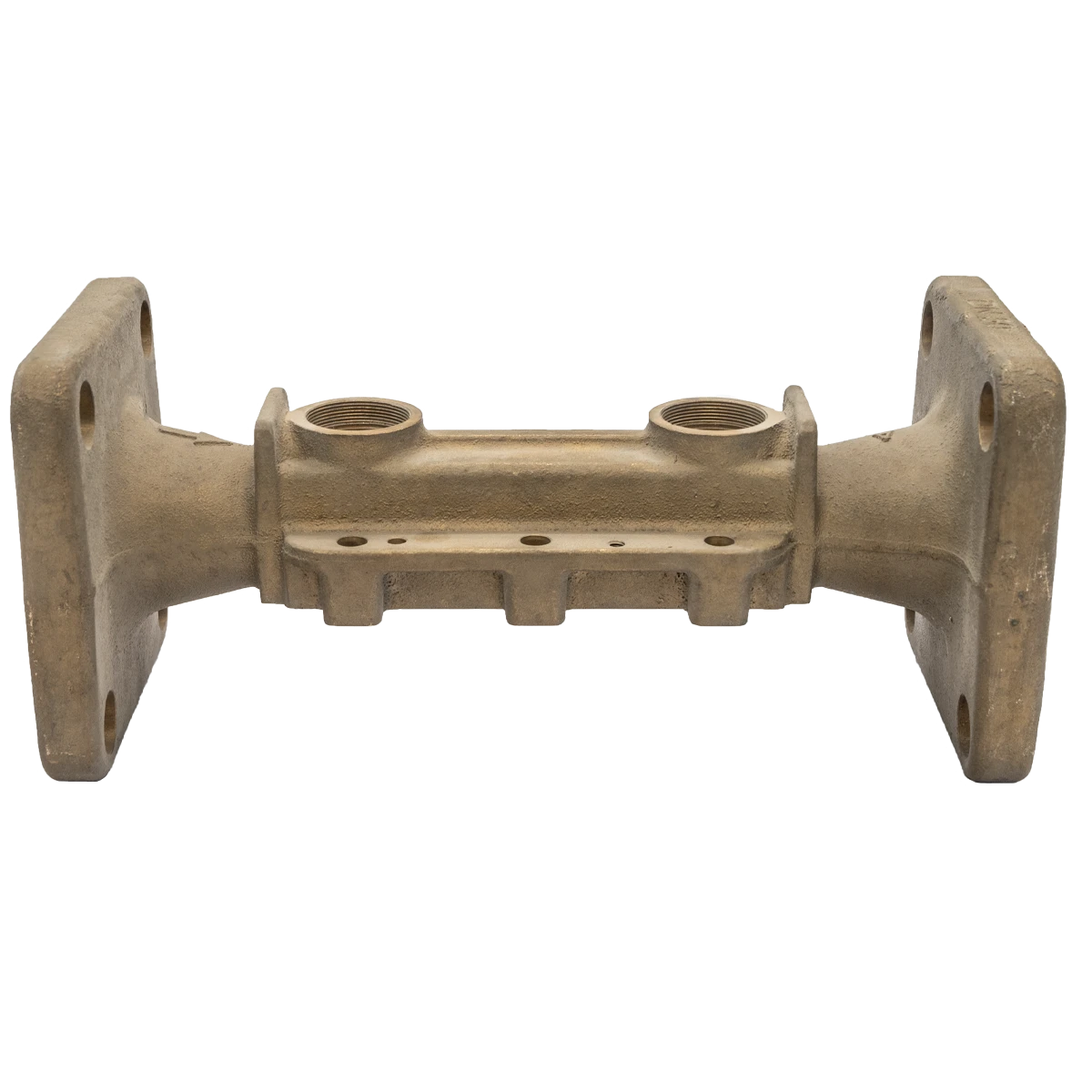
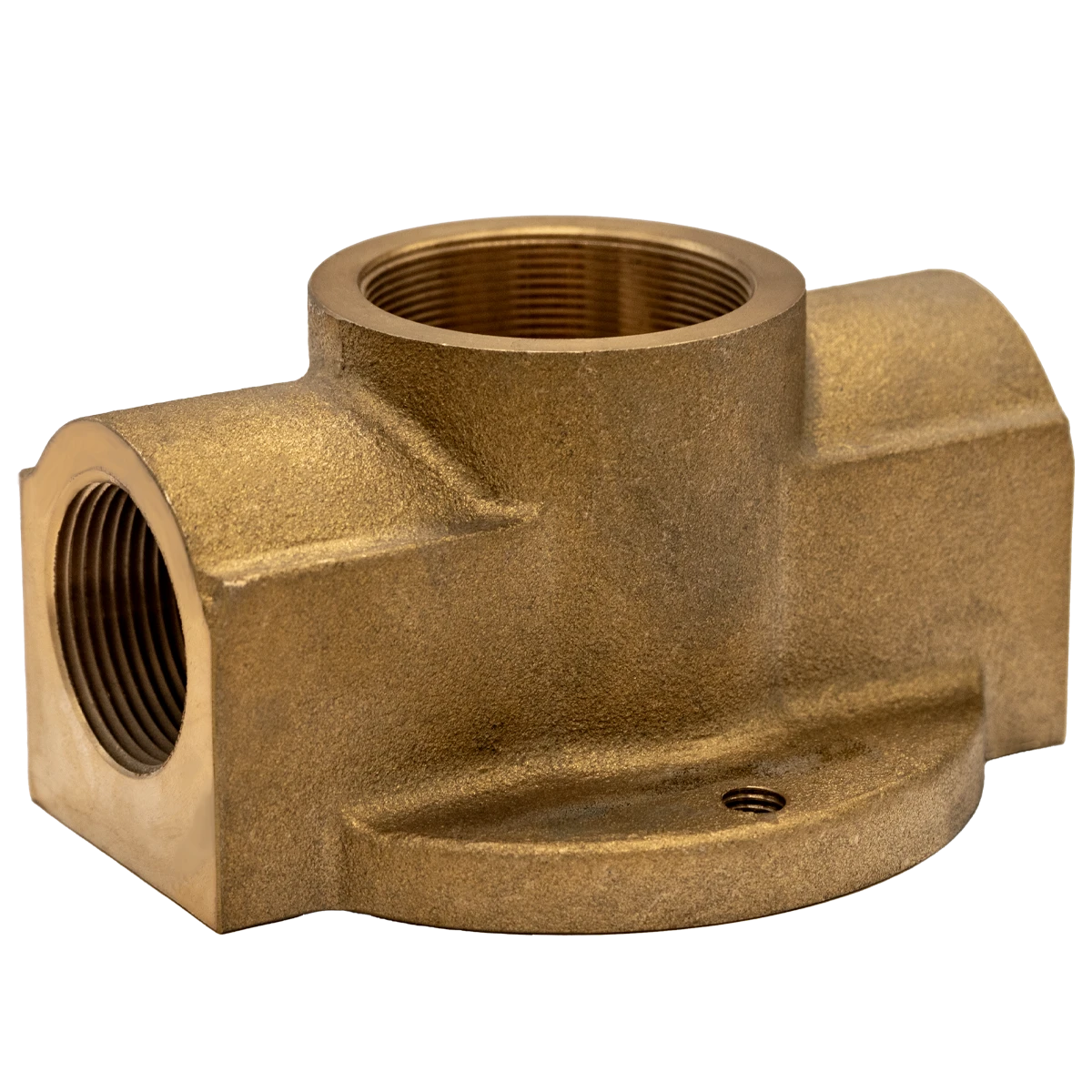
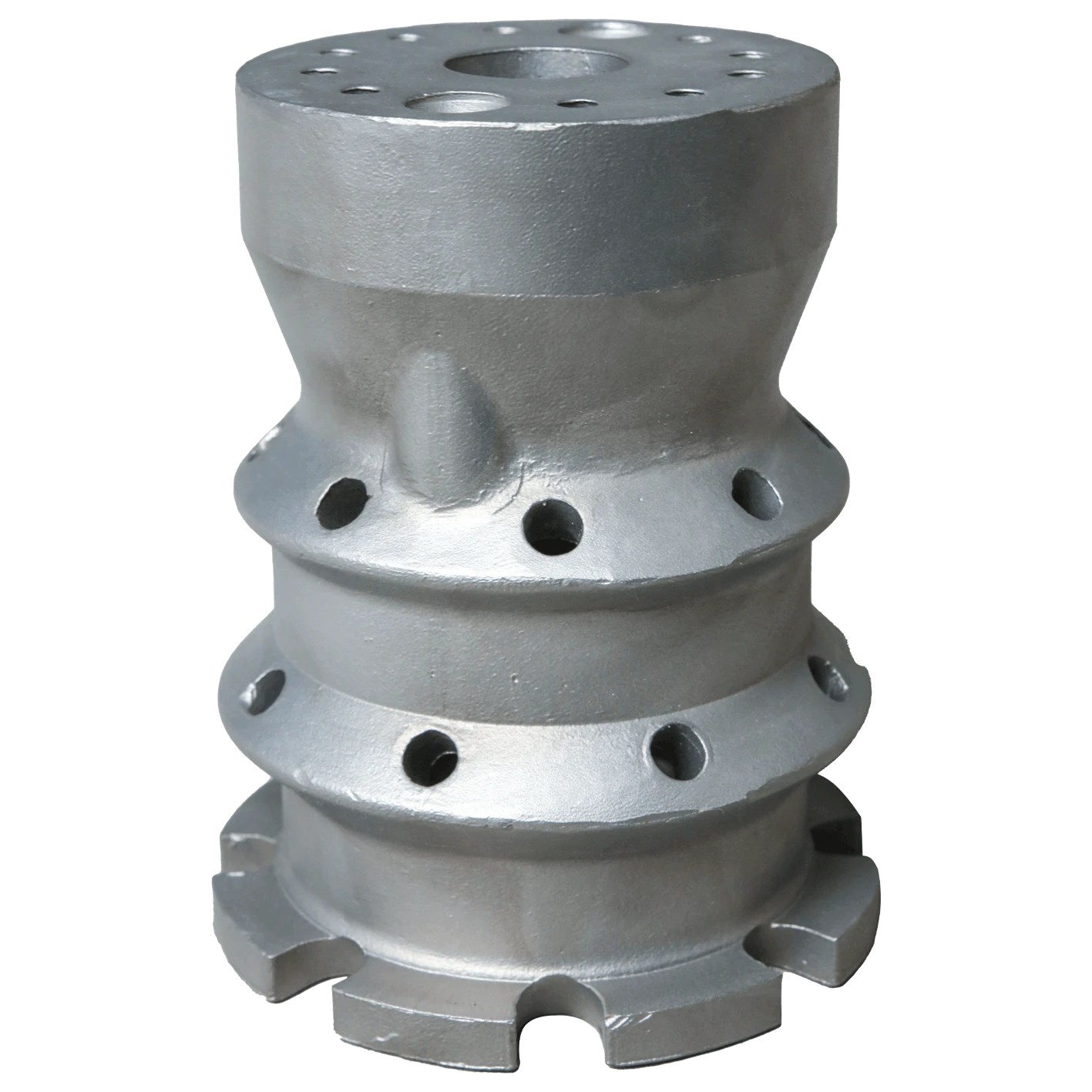
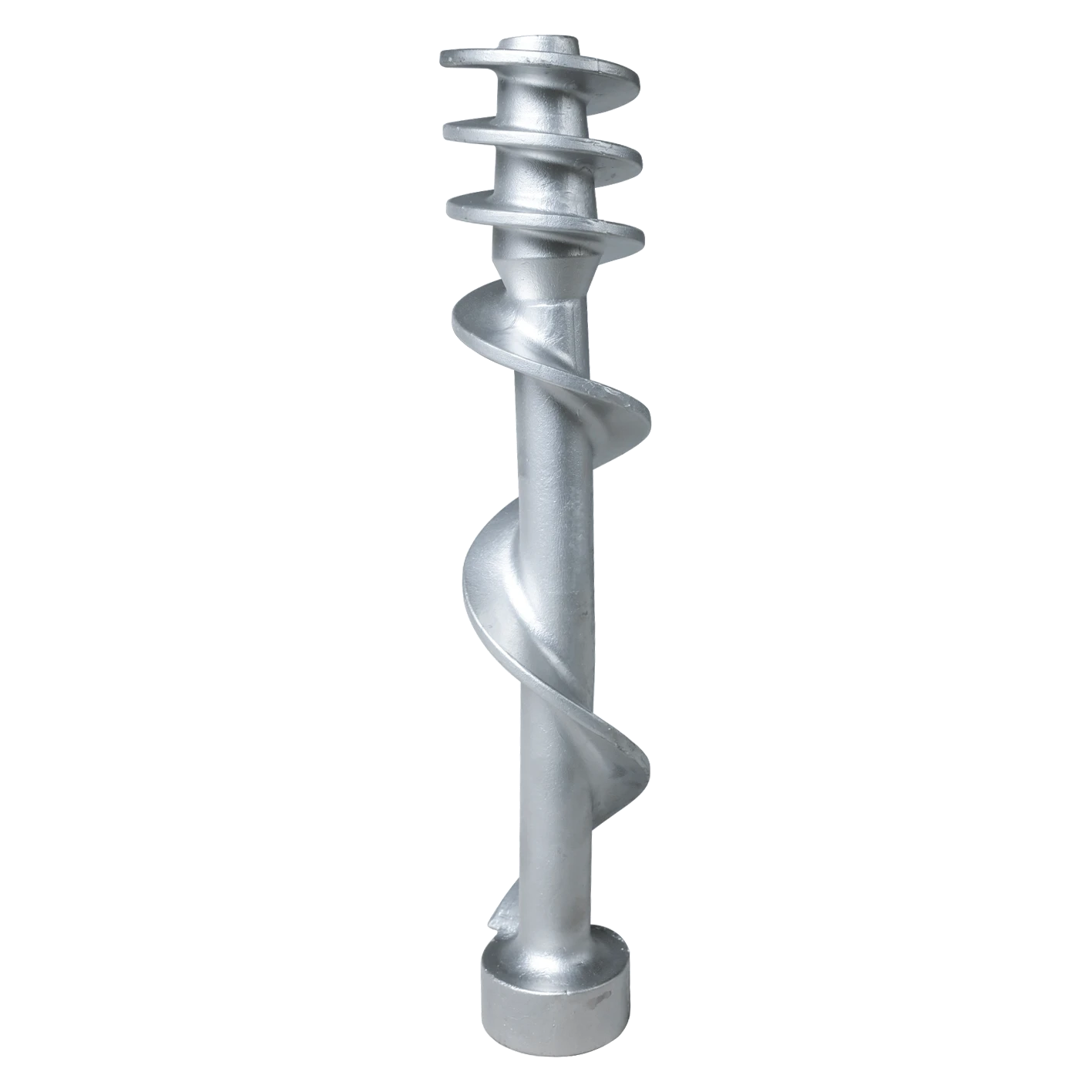
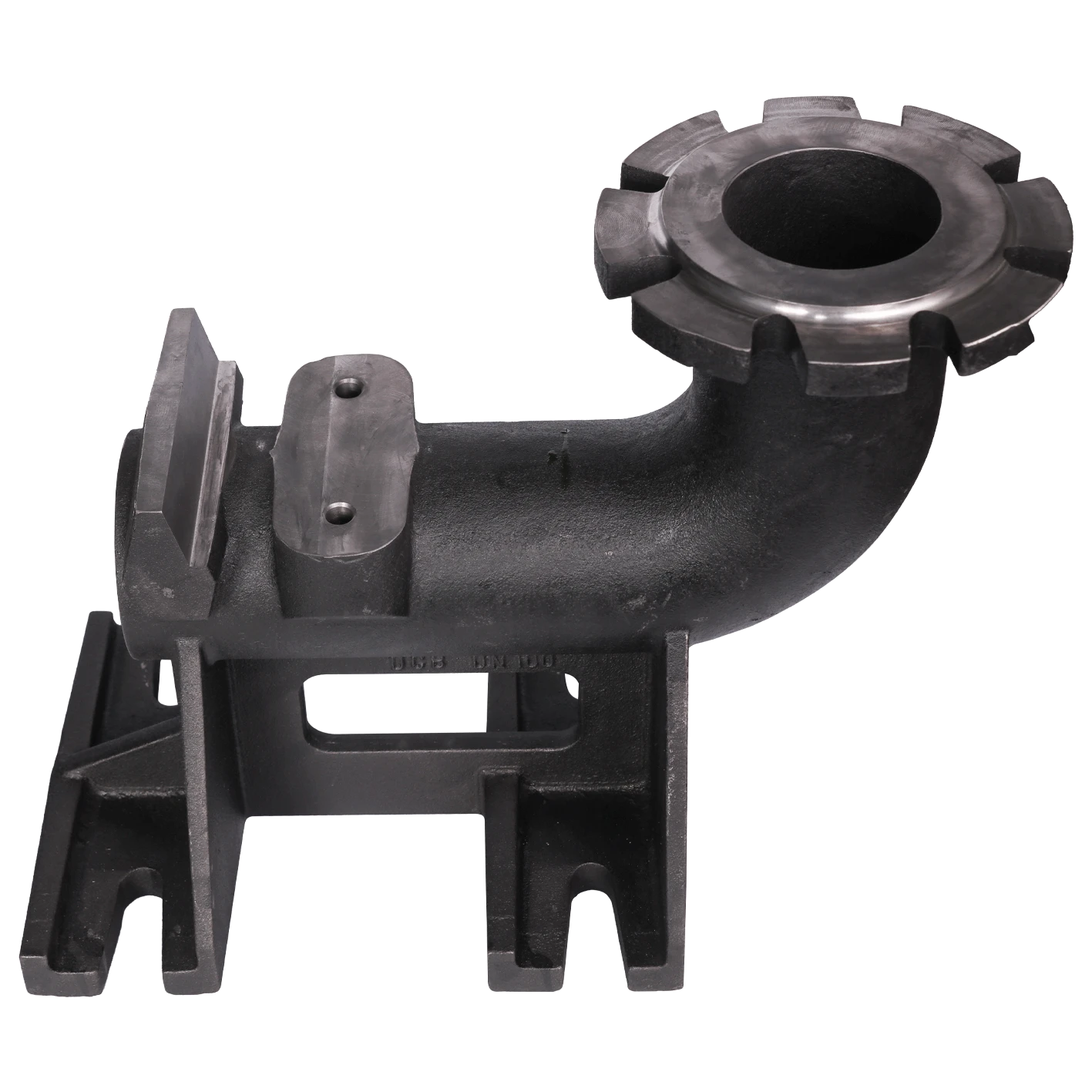
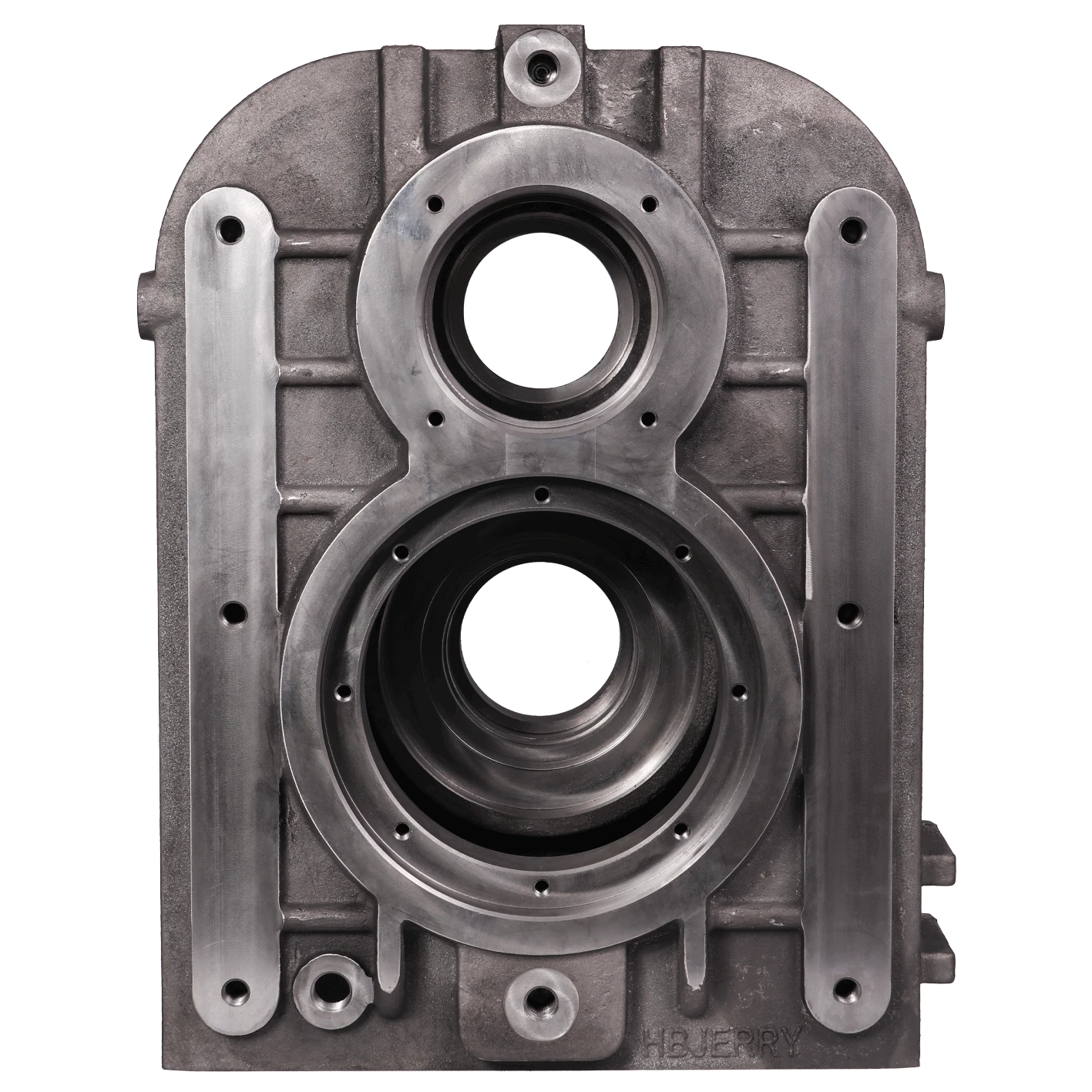
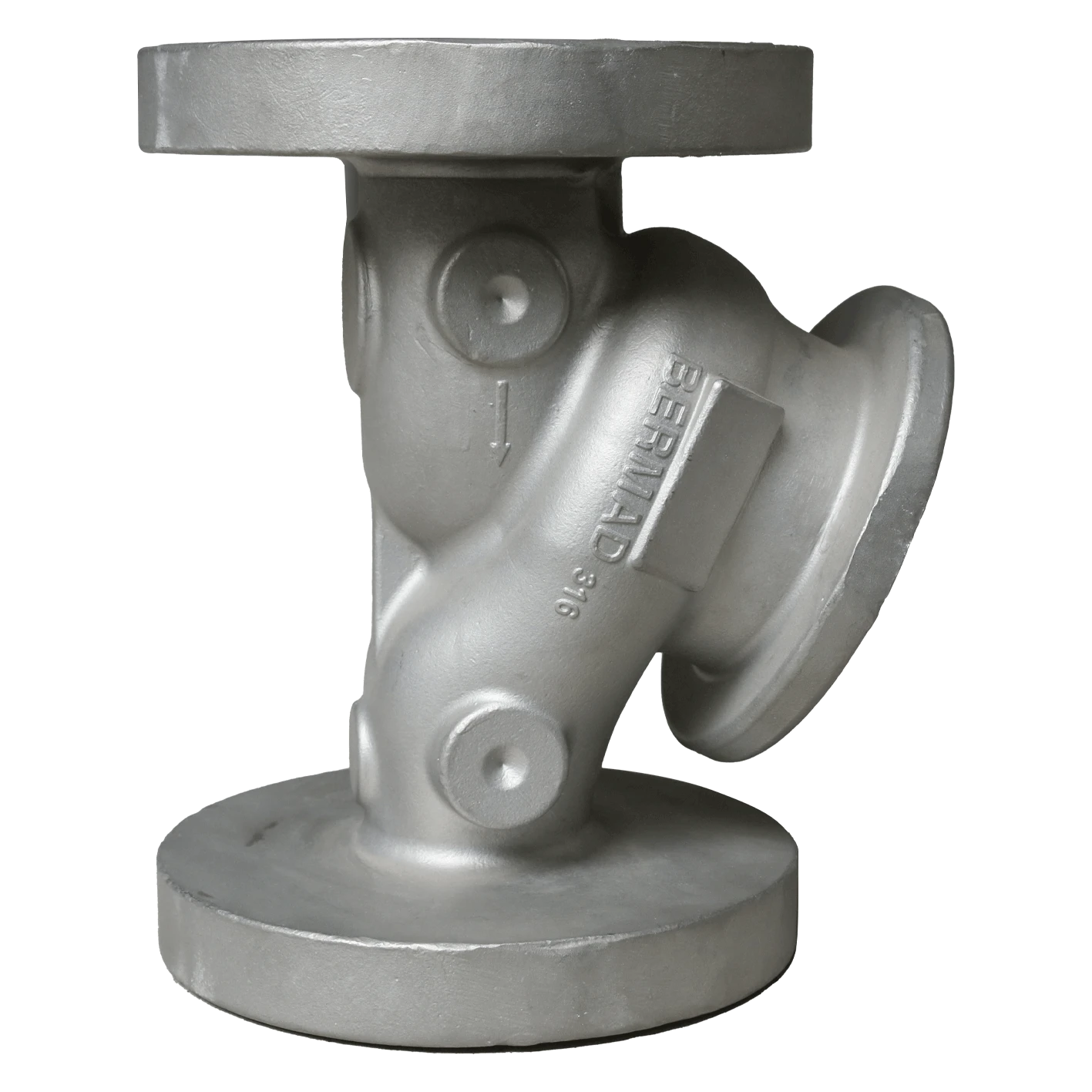
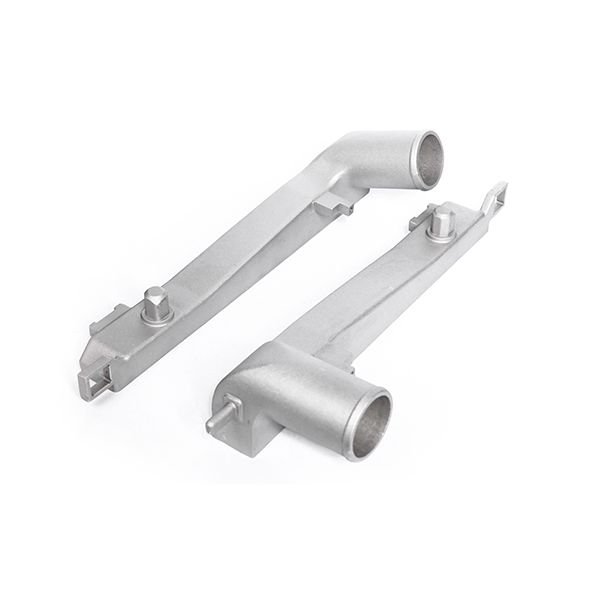
aluminium alloy investment casting
Common Applications
Aluminium alloy investment casting finds a broad range of applications across various industries. In the aerospace sector, it is used to produce components such as aircraft fittings, brackets, and housings, where lightweight yet durable components are crucial for performance and fuel efficiency.
In the automotive industry, investment casting is employed for engine parts, transmission housings, and structural components in electric vehicles. The rapidly growing field of electronics also benefits from aluminium alloy investment casting, where precision parts are required for heat sinks and casings that help manage thermal performance.
Marine applications leverage the corrosion-resistant properties of aluminium alloys, making them suitable for components in boats and ships, including propellers, shafts, and fittings that need to withstand harsh marine environments.
Considerations When Selecting Aluminium Alloys
When choosing an aluminium alloy for investment casting, several factors come into play. The alloy's properties, including its casting behavior, strength, and corrosion resistance, must align with the application requirements. Common aluminium alloys used in investment casting include 356 and 319, which exhibit excellent mechanical properties and are widely used in aerospace and automotive applications.
Another critical consideration is the alloy’s response to heat treatment. Some alloys can be heat-treated to enhance their mechanical properties further, making them suitable for high-stress applications. Additionally, factors such as the intended operating environment, aesthetic requirements, and cost considerations also influence the selection of the appropriate aluminium alloy for the casting process.
Conclusion
Aluminium alloy investment casting is an advanced manufacturing technique that offers remarkable advantages in producing complex components with high precision. Its applications across various industries underscore its versatility and importance in modern manufacturing. As technology continues to evolve, so too will the processes and materials used in investment casting, ensuring its continued relevance in the pursuit of innovative and efficient production methods.
-
Advanced Manufacturing Technologies in Modern Industrial ProductionNewsMay.22,2026
-
Engine Oil Management Tools: Essential Solutions for Clean and Efficient Automotive MaintenanceNewsMay.22,2026
-
Car Water Pump Systems: Efficiency, Cleaning Applications, and Market OverviewNewsMay.22,2026
-
Industrial Valve Castings and Flow Control Solutions in Modern EngineeringNewsMay.22,2026
-
Aluminum End Caps and Compression Solutions: A Complete Guide for Modern ApplicationsNewsMay.22,2026
-
Precision Valve Castings for Agricultural Irrigation and Fluid Control SystemsNewsMay.08,2026