English

Mobile:+86-311-8081-2683
Email:info@ydcastings.com
English
Exploring the Design and Functionality of AHU Exhaust Manifolds in HVAC Systems
Understanding Ahu Exhaust Manifolds Key Components for Efficient Engine Performance
The exhaust manifold is a critical component of an engine's exhaust system, serving as a conduit for exhaust gases produced during combustion to exit the engine. In modern vehicles, particularly those equipped with Advanced Hybrid Units (AHUs), the design and functionality of exhaust manifolds are essential for optimizing engine performance, emissions control, and overall efficiency.
What is an AHU Exhaust Manifold?
An AHU exhaust manifold is specifically designed for advanced hybrid engines that combine traditional internal combustion engines with electric power sources. The primary function of the exhaust manifold in this context is to collect exhaust gases from multiple cylinders and direct them into a single outlet pipe, which then routes the gases to the exhaust system for further treatment. This design plays a significant role in reducing back pressure, enhancing engine efficiency, and improving exhaust flow.
Importance of Exhaust Manifold Design
1. Heat Management The exhaust manifold must withstand high temperatures generated by exhaust gases. Materials such as cast iron and stainless steel are commonly used due to their durability and heat-resistance properties. Efficient heat management reduces the risk of damage and prolongs the lifespan of the exhaust system.
2. Gas Flow Dynamics The design of the exhaust manifold is crucial for optimizing the flow of exhaust gases. A well-designed manifold minimizes turbulence and promotes laminar flow, which enhances overall engine performance. This design consideration is particularly important in AHUs, where managing the balance between the internal combustion engine and the electric system is vital for efficiency.
ahu exhaust manifold
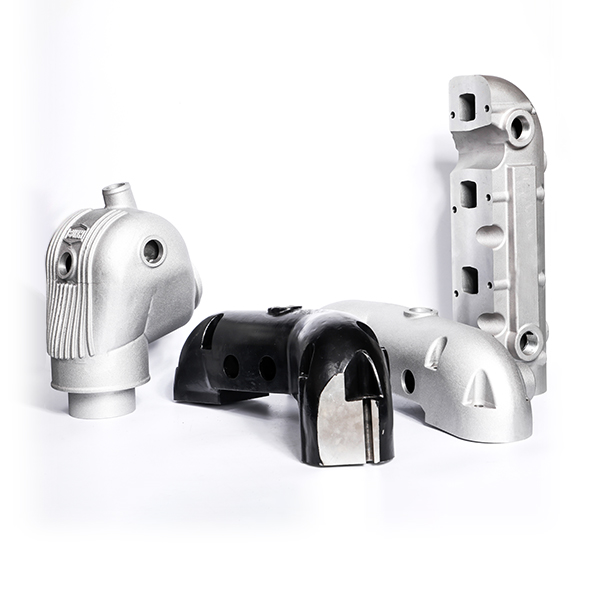
3. Weight Optimization As automotive manufacturers strive to improve fuel efficiency and vehicle performance, reducing weight is a primary concern. Advanced materials and innovative designs are used to create lightweight exhaust manifolds without sacrificing strength or thermal resistance. This contributes to improved fuel economy and performance in hybrid vehicles.
4. Emissions Control Modern exhaust manifolds are designed to work in conjunction with emission control systems, such as catalytic converters. By efficiently channeling exhaust gases, they play a significant role in ensuring that harmful pollutants are properly treated before being released into the atmosphere. This is particularly important for AHUs, which are often subject to stringent emissions regulations.
5. Noise Reduction The configuration of the exhaust manifold can influence the noise produced by the engine. An optimized design can help to muffle sound and reduce the frequency of vibrations, leading to a quieter and more pleasant driving experience.
Challenges and Innovations
While the role of the exhaust manifold is crucial, there are challenges associated with its design and manufacturing. High temperatures can cause thermal fatigue, cracking, and warping, prompting engineers to develop advanced materials and fabrication techniques. Innovations like integrating the exhaust manifold with the cylinder head, known as a turbocharged manifold, are increasingly common in AHU designs. This approach improves thermal efficiency, reduces weight, and enhances overall engine performance.
Conclusion
The exhaust manifold, especially in the context of Advanced Hybrid Units, is a crucial component that significantly impacts engine performance, efficiency, and emissions control. With ongoing advancements in materials science and engineering design, the evolution of exhaust manifolds continues to support the automotive industry's shift towards greener and more efficient technologies. Understanding the intricacies of exhaust manifold design is essential for anyone interested in automotive engineering and the future of hybrid vehicles. As we move towards a more sustainable future, the developments in this vital component will undoubtedly continue to play a significant role in shaping the performance and efficiency of modern vehicles.
-
Choosing an Engine Storage Crate Cover for Material and EnvironmentNewsNov.23,2026
-
Cylinder Head Chamber Buyers: Check the Casting Specification FirstNewsNov.17,2026
-
How Impeller Casting Manufacturers Match Material, Process and EquipmentNewsNov.15,2026
-
Valve body vs. intake air chamber: Which casting fits your assembly?NewsNov.02,2026
-
Air Intake Chamber FAQ: Specifications, Ordering and Support QuestionsNewsOct.28,2026
-
Motorcycle Accessories FAQ: Specifications, Ordering and Support QuestionsNewsOct.24,2026










