English

Mobile:+86-311-808-126-83
Email:info@ydcastings.com
English
Benefits of Die Casting in Manufacturing Processes and Product Development
The Advantages of Die Casting
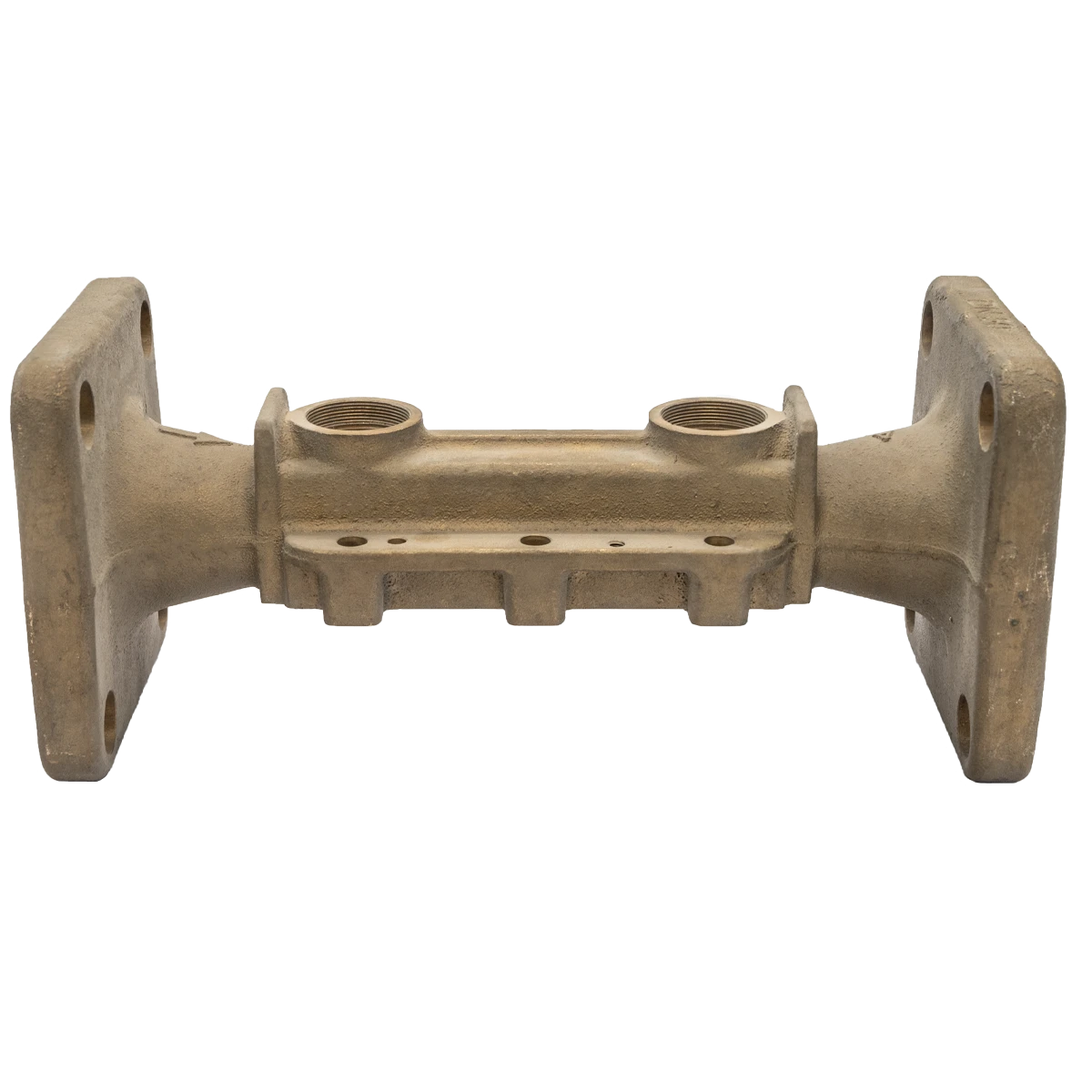
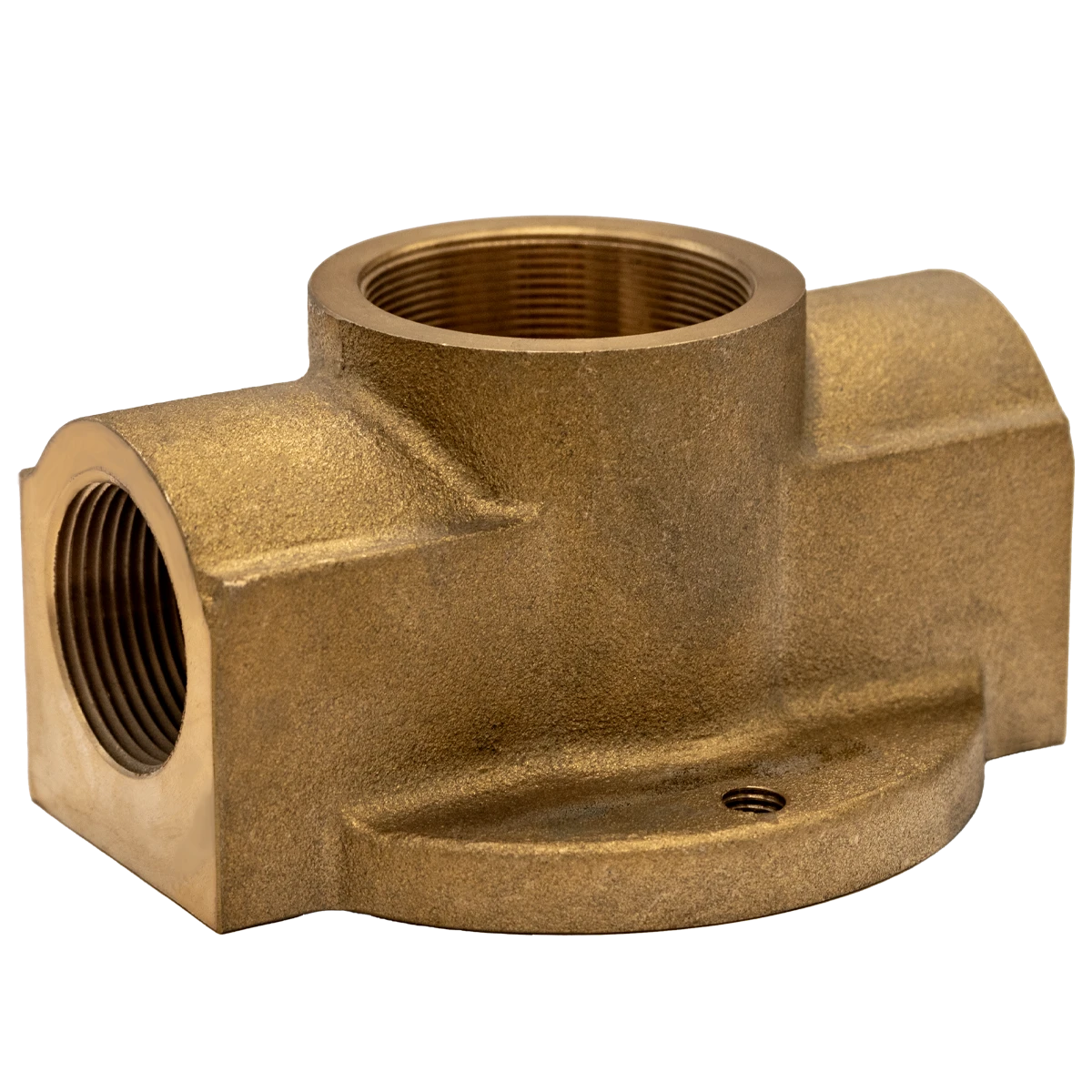
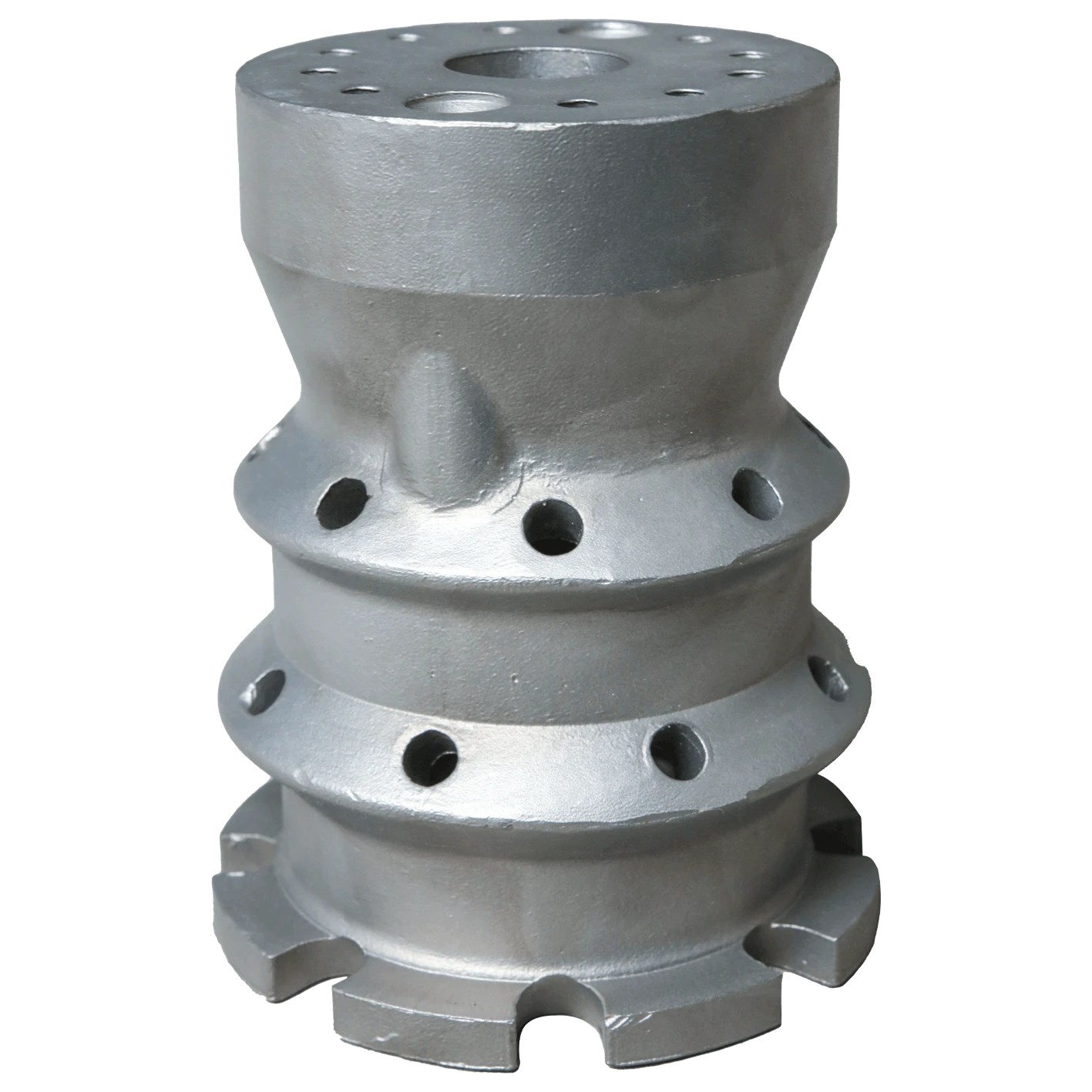
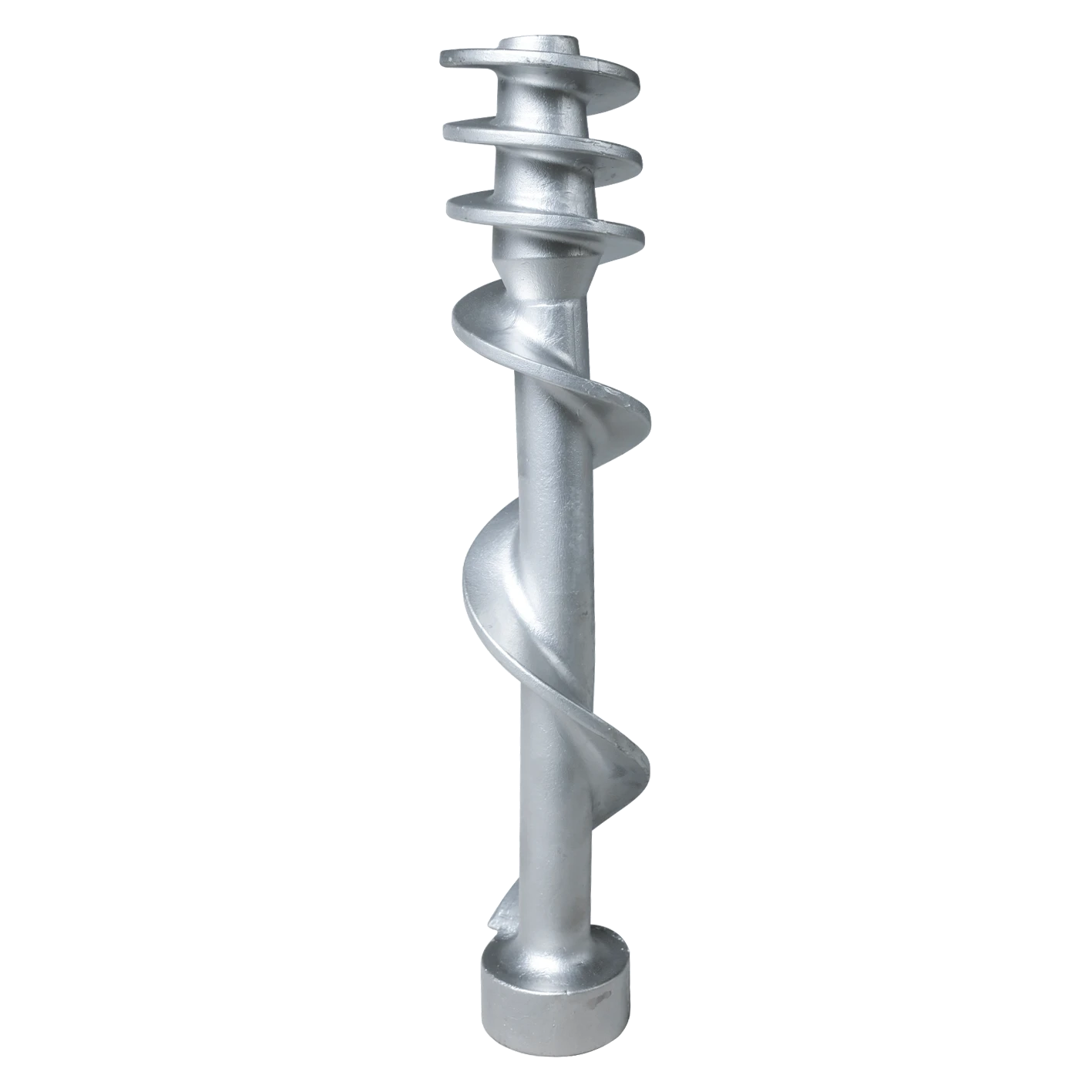
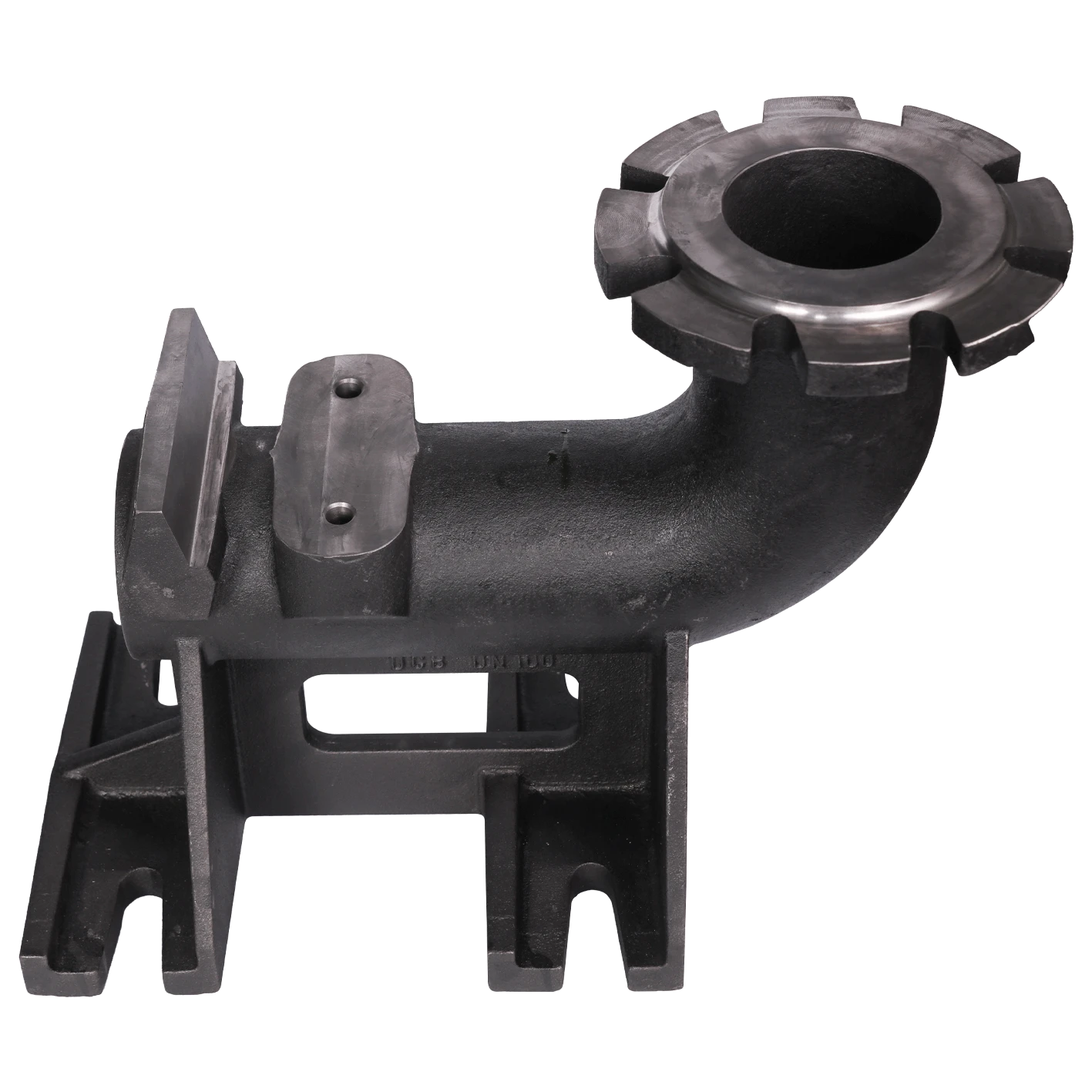
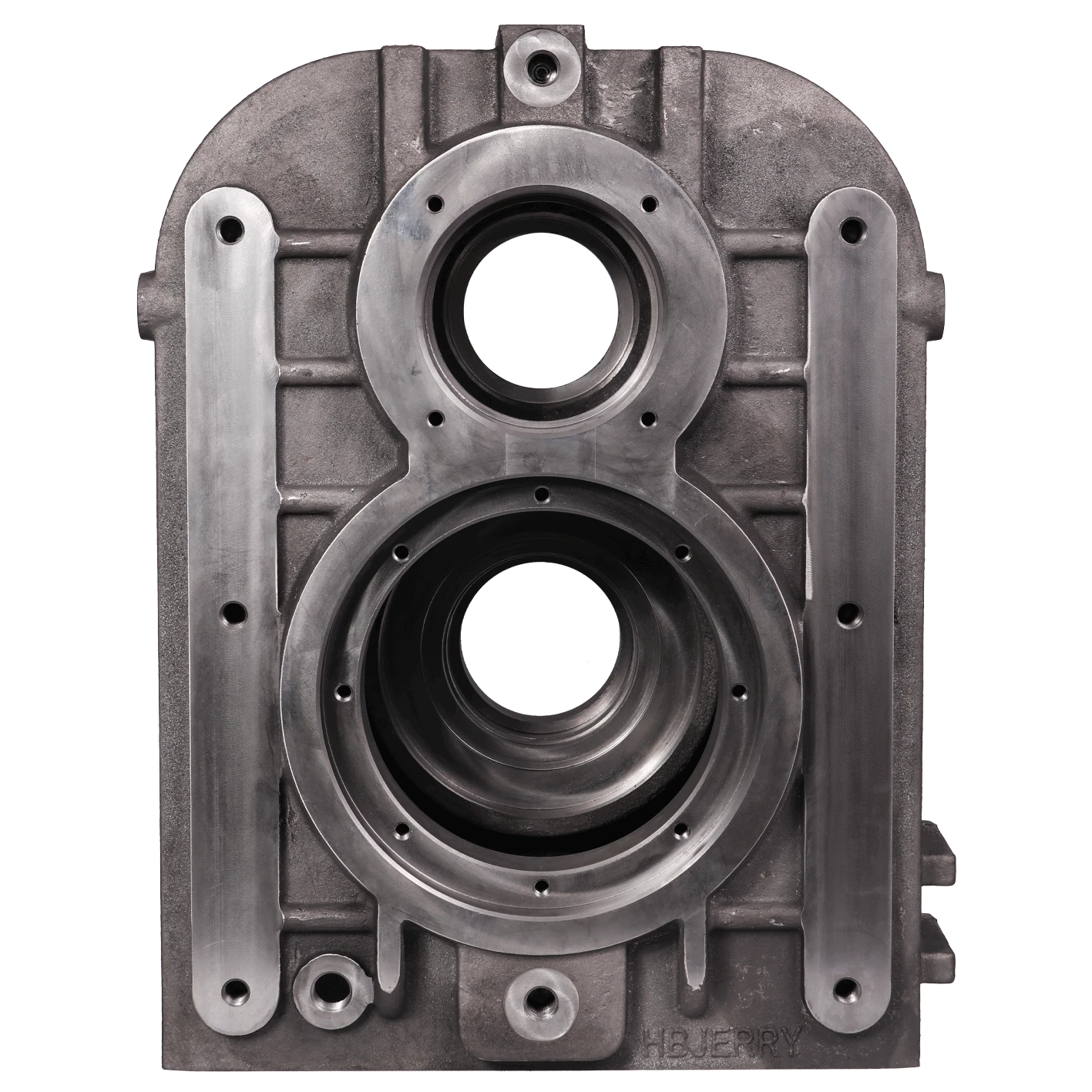
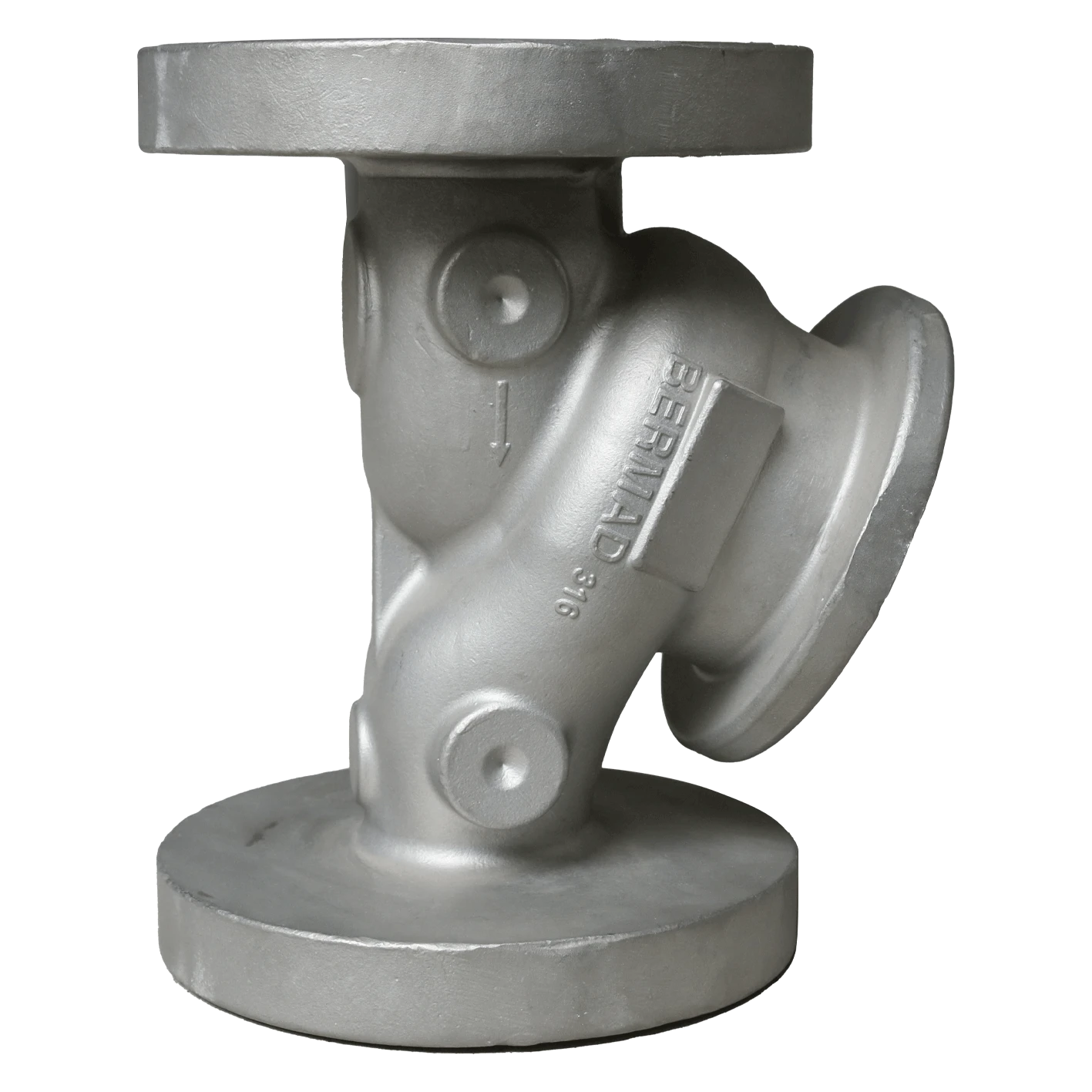
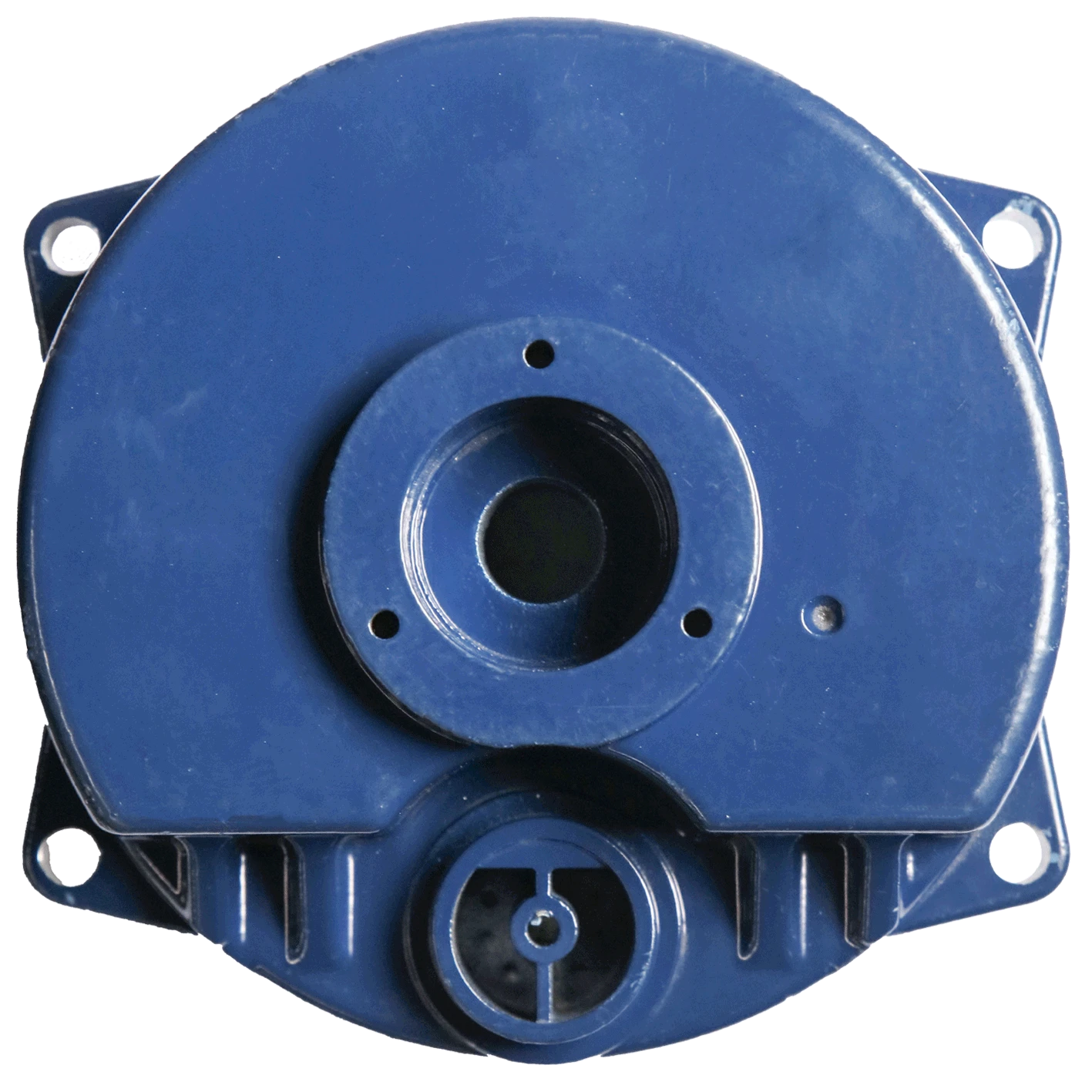
Die casting is a manufacturing process that involves forcing molten metal into a mold cavity under high pressure. This technique is widely used for producing complex shapes and intricate details in various industries such as automotive, aerospace, electronics, and consumer goods. The advantages of die casting make it a preferred method for many manufacturers seeking to optimize production efficiency while maintaining high quality. In this article, we will explore the key benefits of die casting and why it is an important process in modern manufacturing.
1. High Precision and Detail
One of the most significant advantages of die casting is the ability to produce components with high precision and intricate details. The molds used in die casting are manufactured to tight tolerances, allowing for the creation of parts that require minimal machining after casting. This precision not only enhances the aesthetic appeal of the final product but also ensures that parts fit together seamlessly during assembly, which is crucial in industries like automotive and aerospace where safety and performance are paramount.
2. Excellent Surface Finish
Die casting produces components with an excellent surface finish straight out of the mold. This is largely due to the smooth interior surfaces of the molds, which reduce the need for extensive post-processing. The high-quality surface finish achieved through die casting helps reduce manufacturing costs and time while improving the overall aesthetics of the final product. This advantage is particularly beneficial for industries where appearance matters, such as consumer electronics and automotive parts.
3. Cost-Effectiveness in High-Volume Production
While the initial setup cost for die casting may be higher than other manufacturing processes, such as machining or sand casting, the long-term cost savings in high-volume production are significant. Once the mold is created, die casting allows for the rapid production of large quantities of identical parts, effectively lowering the per-unit cost. As a result, companies can achieve economies of scale, making the overall process more cost-effective, especially for mass-produced items.
4. Material Versatility
advantages of die casting

Die casting can accommodate a wide range of materials, including various alloys of aluminum, zinc, magnesium, and copper. This versatility allows manufacturers to choose the most appropriate material based on the specific properties required for their product, such as strength, weight, and corrosion resistance. The ability to work with different metals also opens up possibilities for innovation and customization in product design.
5. Reduced Waste and Environmental Benefits
Die casting is known for its efficiency, producing parts with minimal waste. The process generates very little scrap, and any excess metal can often be recycled and reused in production. This makes die casting a more sustainable option compared to other manufacturing methods that can produce significant waste. Additionally, the energy consumption associated with die casting processes is generally lower than that of other methods, further reducing the environmental impact.
6. Rapid Prototyping and Design Flexibility
Die casting also enhances the design process by allowing for rapid prototyping. Manufacturers can quickly create and test prototypes before proceeding to full-scale production, saving time and resources. The ability to make quick adjustments in the design phase enables companies to innovate and refine their products based on market feedback without incurring substantial costs.
7. Strong Structural Integrity
Components produced through die casting boast strong mechanical properties and structural integrity. The process produces dense, robust parts, which are crucial for applications that require durability and strength. This is particularly important for industries like aerospace and automotive, where the performance and reliability of components are critical to safety and functionality.
Conclusion
Die casting offers a multitude of advantages that make it an attractive choice for manufacturers across various industries. From high precision and excellent surface finish to cost-effectiveness in high-volume production, the benefits of this process are substantial. As manufacturers continue to seek ways to enhance efficiency and product quality, die casting stands out as a proven technology that meets modern industrial needs. With its material versatility, sustainability benefits, and capacity for rapid prototyping, die casting is poised to remain a vital component of the manufacturing landscape in the years to come.
-
Advanced Manufacturing Technologies in Modern Industrial ProductionNewsMay.22,2026
-
Engine Oil Management Tools: Essential Solutions for Clean and Efficient Automotive MaintenanceNewsMay.22,2026
-
Car Water Pump Systems: Efficiency, Cleaning Applications, and Market OverviewNewsMay.22,2026
-
Industrial Valve Castings and Flow Control Solutions in Modern EngineeringNewsMay.22,2026
-
Aluminum End Caps and Compression Solutions: A Complete Guide for Modern ApplicationsNewsMay.22,2026
-
Precision Valve Castings for Agricultural Irrigation and Fluid Control SystemsNewsMay.08,2026