English

Mobile:+86-311-8081-2683
Email:info@ydcastings.com
English
90 degree turbo flange
Understanding the 90% 20 Degree Turbo Flange A Key Component in Turbocharging Systems
In the world of automotive engineering and performance enhancement, the turbocharger occupies a pivotal role. It is a device that boosts an engine's power output by forcing more air into the combustion chamber. At the heart of turbocharging systems lie various components, and one such essential component is the 90% 20 degree turbo flange. Understanding this component is crucial for anyone involved in turbocharged engine modifications or performance tuning.
Understanding the 90% 20 Degree Turbo Flange A Key Component in Turbocharging Systems
Using a 90% 20 degree turbo flange can lead to improved performance in several ways. First and foremost, the design helps minimize restrictions in exhaust flow. By allowing gases to exit the engine smoothly and at the right angle, it reduces turbo lag, a common concern for turbocharged engines. Turbo lag happens when there is a delay in the turbo's response due to inefficient exhaust flow. With an optimal flange design, the turbocharger can spool up more quickly, delivering power to the engine faster than traditional flanges might allow.
90 degree turbo flange
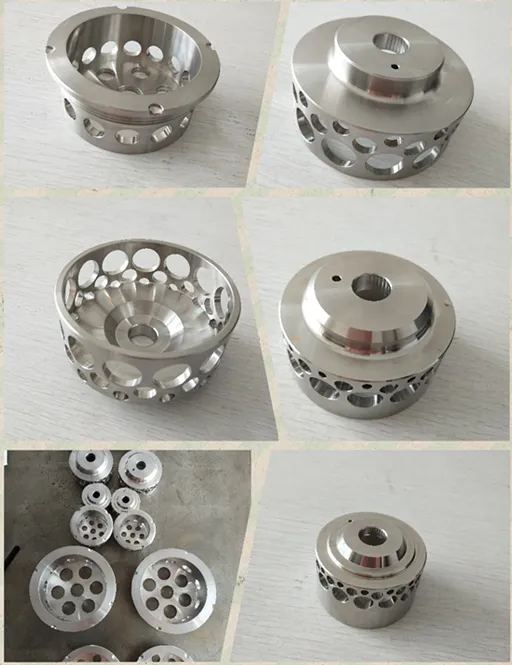
Moreover, the 90% 20 degree turbo flange is often made from high-grade materials that withstand extreme temperatures and pressures. This durability is vital for ensuring that the turbocharger operates effectively over time, especially in high-performance applications where heat and stress are significantly elevated.
In addition to performance benefits, the right flange can also simplify installation and maintenance. Many aftermarket turbo kits consider the 90% 20 degree design to be standard, making it easier for builders and enthusiasts to source compatible parts and achieve a successful build.
In conclusion, the 90% 20 degree turbo flange is a critical component in turbocharging systems, offering benefits in performance, durability, and ease of installation. Whether you are a seasoned mechanic or a new enthusiast, understanding the importance of this component can lead to better decisions in tuning and enhancing turbocharged engines. As the automotive industry continues to evolve, the importance of such components remains paramount in the pursuit of optimal performance.
-
Choosing an Engine Storage Crate Cover for Material and EnvironmentNewsNov.23,2026
-
Cylinder Head Chamber Buyers: Check the Casting Specification FirstNewsNov.17,2026
-
How Impeller Casting Manufacturers Match Material, Process and EquipmentNewsNov.15,2026
-
Valve body vs. intake air chamber: Which casting fits your assembly?NewsNov.02,2026
-
Air Intake Chamber FAQ: Specifications, Ordering and Support QuestionsNewsOct.28,2026
-
Motorcycle Accessories FAQ: Specifications, Ordering and Support QuestionsNewsOct.24,2026










