English

Mobile:+86-311-8081-2683
Email:info@ydcastings.com
English
90 Degree Turbo Elbow for Efficient Fluid Flow in Piping Systems
Understanding the 90-Degree Turbo Elbow Functionality and Applications
In the realm of plumbing, HVAC (Heating, Ventilation, and Air Conditioning), and other fluid transport systems, the components used have significant implications for efficiency and performance. Among these components, the 90-degree turbo elbow has emerged as a crucial part in numerous applications, especially in systems that require directional fluid flow with minimal resistance. This article explores the functionality, design, and various applications of the 90-degree turbo elbow.
What is a 90-Degree Turbo Elbow?
A 90-degree turbo elbow is a fitting that allows for a change in the direction of piping – specifically, turning the flow direction by 90 degrees. Unlike traditional elbows, the turbo elbow is designed with a more streamlined profile, which reduces turbulence and pressure drop when fluid passes through it. The turbo aspect refers to its aerodynamic shape, which helps maintain flow velocity and efficiency, making it a preferred choice in high-performance applications.
Design and Construction
The design of a 90-degree turbo elbow typically involves smooth interior surfaces and an extended radius that enables a gentler turn compared to standard elbows. This feature minimizes the sharp edges and abrupt angles that can disrupt fluid flow, causing clogs or inefficiencies. Turbo elbows can be constructed from various materials, including PVC, stainless steel, and polypropylene, depending on the specific needs of the application, such as chemical compatibility, temperature tolerance, and pressure requirements.
Benefits of Using a 90-Degree Turbo Elbow
1. Reduced Pressure Drop The streamlined shape of a turbo elbow ensures that fluid moves more smoothly around the bend. This reduces the pressure drop experienced in conventional elbows, which can lead to more efficient system performance.
2. Improved Flow Rates With less turbulence and friction, the flow rates through a turbo elbow can be significantly enhanced. This is particularly important in HVAC systems, where consistent airflow is crucial for maintaining comfort and efficiency.
3. Energy Savings By reducing the resistance against the fluid flow, turbo elbows can contribute to lower energy consumption in pumping systems. This can result in decreased operational costs over time, making them a cost-effective solution for many applications.
90 degree turbo elbow
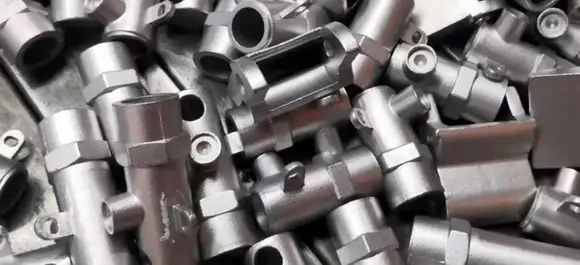
4. Extended Lifespan of Equipment The reduced strain on pumps and fans due to lower resistance can lead to extended equipment lifespan. With less wear and tear, maintenance costs can also decrease, leading to more reliable operation.
Applications of 90-Degree Turbo Elbows
The versatility of the 90-degree turbo elbow allows for its application in a wide range of industries, including
- HVAC Systems In heating and cooling systems, turbo elbows help maintain optimal airflow, critical for energy efficiency and indoor air quality.
- Industrial Piping In factories and processing plants, these elbows are utilized in systems that transport liquids or gases, where maintaining flow efficiency is paramount.
- Wastewater Management Turbo elbows are also employed in wastewater treatment facilities, where managing the flow of effluent is vital for the treatment process.
- Aquaculture In aquaculture systems, these fittings can be used to ensure the efficient circulation of water, which is essential for maintaining healthy aquatic environments.
Conclusion
The 90-degree turbo elbow represents a significant advancement in piping technology, providing numerous benefits over traditional elbows. Its design focuses on enhancing fluid flow efficiency, reducing energy consumption, and extending the durability of connecting systems. As industries continue to demand more efficient and effective solutions, the role of turbo elbows is likely to grow, proving essential in various applications where directional fluid transport is necessary. Choosing to incorporate 90-degree turbo elbows in system design not only optimizes performance but also contributes to overall sustainability in fluid management practices.
-
Choosing an Engine Storage Crate Cover for Material and EnvironmentNewsNov.23,2026
-
Cylinder Head Chamber Buyers: Check the Casting Specification FirstNewsNov.17,2026
-
How Impeller Casting Manufacturers Match Material, Process and EquipmentNewsNov.15,2026
-
Valve body vs. intake air chamber: Which casting fits your assembly?NewsNov.02,2026
-
Air Intake Chamber FAQ: Specifications, Ordering and Support QuestionsNewsOct.28,2026
-
Motorcycle Accessories FAQ: Specifications, Ordering and Support QuestionsNewsOct.24,2026










