English

Mobile:+86-311-8081-2683
Email:info@ydcastings.com
English
8 duct cap
Exploring the Benefits and Applications of 8% Duct Cap
In the world of HVAC (heating, ventilation, and air conditioning) systems, efficiency and performance play crucial roles in ensuring optimal indoor climates and energy conservation. One essential component that significantly contributes to the effectiveness of these systems is the duct cap, particularly an 8% duct cap. This article delves into what an 8% duct cap is, its benefits, and its various applications within the HVAC industry.
What is an 8% Duct Cap?
An 8% duct cap refers to a specific type of ductwork cap designed to minimize airflow losses at the end of a duct system. More specifically, it represents a cap that contributes to maintaining 8% airflow efficiency by reducing the disturbances created when air exits the duct. Properly designed duct caps can prevent noise, enhance air distribution, and improve the overall efficiency of heating and cooling systems.
Duct caps can be made from various materials such as aluminum, galvanized steel, or flexible plastic, depending on their intended application. They are typically installed at the termination points of ducts, whether it be in residential ceilings, commercial spaces, or industrial buildings.
Benefits of Using 8% Duct Caps
One of the most significant advantages of employing an 8% duct cap is its contribution to energy efficiency. HVAC systems often account for a substantial portion of a building's energy consumption, and any means of reducing waste contributes to lower utility bills and a reduced carbon footprint. By minimizing airflow losses at the duct's exit, the 8% duct cap helps maintain desired indoor temperatures with less energy input.
Additionally, duct caps play a remarkable role in enhancing indoor air quality. Properly sealed and capped ducts can prevent contaminants, dust, and allergens from entering the ductwork, leading to cleaner air circulating within living and working environments. This is particularly important in spaces that require strict air quality measures, such as hospitals, laboratories, and schools.
8 duct cap
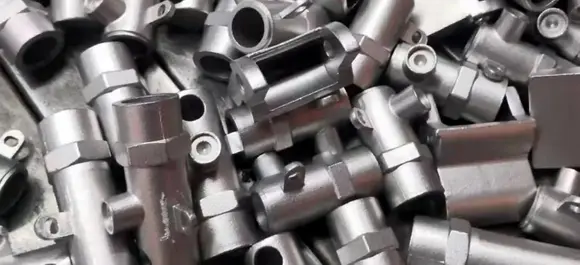
Moreover, duct caps contribute to noise reduction. Uncontrolled airflow can lead to irritating sounds within HVAC systems, causing discomfort to occupants. An 8% duct cap can help mitigate these noises by providing a smoother airflow transition, thus creating a more pleasant ambient environment.
Applications of 8% Duct Caps
The versatility of duct caps allows for a range of applications across various industries. In residential settings, these caps are vital for efficient home heating and cooling. With energy costs continually on the rise, homeowners are increasingly focused on maximizing the efficiency of their HVAC systems. Implementing 8% duct caps can ensure the system operates at optimal levels, ultimately reducing energy expenses while providing comfort.
Commercial buildings, such as offices and retail spaces, also benefit from 8% duct caps. Effective climate control is essential for maintaining customer comfort and employee productivity. With the right duct cap installed, businesses can improve energy efficiency while addressing the demands of their occupants, leading to better customer experiences and a more conducive working environment.
In industrial applications, where HVAC systems must operate under more strenuous conditions, the durability and efficiency of the ductwork are critical. 8% duct caps can withstand higher temperatures and resist various environmental factors, assuring reliable performance. Such capabilities make them suitable for manufacturing plants, warehouses, and other industrial facilities where air quality and temperature control are imperative.
Conclusion
The importance of an 8% duct cap cannot be overstated in the realm of HVAC systems. By facilitating airflow efficiency, enhancing indoor air quality, and reducing noise, these duct components play a pivotal role in ensuring that heating and cooling systems function at their best. As energy efficiency becomes increasingly important in modern building design and operation, the adoption of 8% duct caps will likely continue to grow, leading to safer, more comfortable, and more environmentally-friendly indoor spaces. Whether in homes or large-scale facilities, the benefits of investing in duct caps extend beyond immediate comfort, positively impacting energy consumption and air quality for years to come.
-
Choosing an Engine Storage Crate Cover for Material and EnvironmentNewsNov.23,2026
-
Cylinder Head Chamber Buyers: Check the Casting Specification FirstNewsNov.17,2026
-
How Impeller Casting Manufacturers Match Material, Process and EquipmentNewsNov.15,2026
-
Valve body vs. intake air chamber: Which casting fits your assembly?NewsNov.02,2026
-
Air Intake Chamber FAQ: Specifications, Ordering and Support QuestionsNewsOct.28,2026
-
Motorcycle Accessories FAQ: Specifications, Ordering and Support QuestionsNewsOct.24,2026










