English

Mobile:+86-311-8081-2683
Email:info@ydcastings.com
English
7.3% Turbocharger Housing Design for Enhanced Performance and Efficiency
Exploring the 7.3% Turbo Compressor Housing A Key Component in Modern Engineering
In the ever-evolving landscape of engineering and technology, the turbo compressor housing plays a critical role in enhancing the performance and efficiency of various systems. Particularly in the context of a 7.3% turbo compressor housing, this component is pivotal for optimizing air compression processes, especially in automotive, industrial, and aerospace applications. This article explores the significance, design, and advancements surrounding the 7.3% turbo compressor housing.
Understanding Turbo Compressor Housing
A turbo compressor housing is an integral part of a turbocharger assembly. It houses the compressor wheel and regulates the flow of air entering and exiting the compressor. In the case of a 7.3% turbo compressor housing, the efficiency rating indicates that the housing provides a 7.3% improvement in airflow efficiency compared to conventional designs. This improvement is crucial in maximizing the performance of the engine or system it supports.
Importance of Efficiency in Turbochargers
Efficiency is the cornerstone of modern engineering. In turbocharged systems, improved efficiency translates to increased power output, reduced fuel consumption, and lower emissions. The 7.3% rating signifies a notable advancement in design, ensuring that a greater volume of air is compressed at a lower energy cost. This efficiency is particularly important in the automotive sector, where performance standards continue to rise alongside environmental regulations.
Design Innovations
The design of a 7.3% turbo compressor housing embraces state-of-the-art engineering principles. Manufacturers often utilize lightweight materials, such as aluminum or high-strength polymers, to reduce weight while maintaining durability. The internal geometry of the housing is also meticulously designed to optimize airflow and minimize turbulence, further enhancing the compressor's performance.
Advanced computational fluid dynamics (CFD) simulations are employed during the design phase to predict airflow patterns within the housing. This technological integration allows engineers to identify potential inefficiencies and make necessary adjustments before physical prototypes are built. As a result, the final product is a finely tuned component that maximizes air compression and pressure ratios.
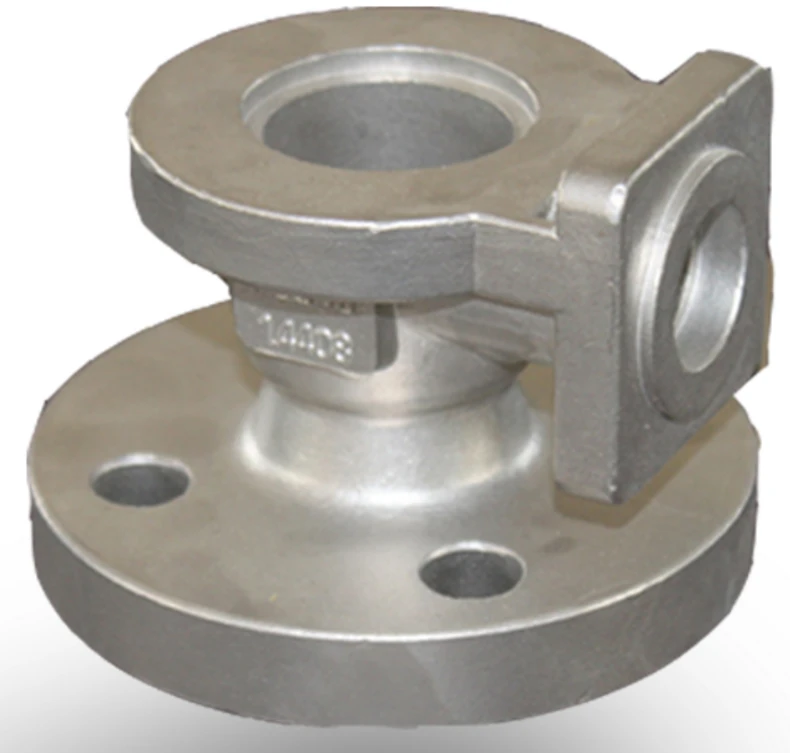
7.3 turbo compressor housing
Real-World Applications
The advantages of a 7.3% turbo compressor housing are easily observable in various real-world applications. In the automotive industry, turbochargers equipped with this housing can boost engine performance without increasing engine size, allowing manufacturers to meet stringent fuel efficiency and emissions regulations. For instance, performance cars benefit from the increased horsepower offered by efficient turbochargers, while commercial vehicles can achieve better fuel economy, reducing operational costs.
In the aerospace industry, turbo compressors contribute to the efficiency of jet engines, enabling higher thrust without compromising fuel consumption. The lightweight and durable design of the 7.3% turbo compressor housing makes it suitable for the extreme conditions found in aviation, where weight savings directly correlate with fuel efficiency and overall performance.
Future Prospects
As technology continues to advance, the future of turbo compressor housings, including the 7.3% variant, looks promising. Engineers are exploring the integration of smart technologies, such as real-time monitoring systems that provide insights into compressor performance. Additionally, exploring alternative materials, such as composites or advanced alloys, could lead to even lighter and more efficient designs.
Furthermore, the ongoing push for sustainability in engineering practices will drive the development of eco-friendly manufacturing processes and materials that minimize environmental impact while maintaining high performance standards.
Conclusion
The 7.3% turbo compressor housing is a testament to the remarkable innovations in engineering design and technology. With its enhanced efficiency, lightweight construction, and applicability across various sectors, it represents a significant leap forward in turbocharger performance. As research and development continue to unveil new possibilities, the role of turbo compressor housings in driving performance and efficiency will undoubtedly expand, shaping the future of engineering and technology for years to come.
-
Choosing an Engine Storage Crate Cover for Material and EnvironmentNewsNov.23,2026
-
Cylinder Head Chamber Buyers: Check the Casting Specification FirstNewsNov.17,2026
-
How Impeller Casting Manufacturers Match Material, Process and EquipmentNewsNov.15,2026
-
Valve body vs. intake air chamber: Which casting fits your assembly?NewsNov.02,2026
-
Air Intake Chamber FAQ: Specifications, Ordering and Support QuestionsNewsOct.28,2026
-
Motorcycle Accessories FAQ: Specifications, Ordering and Support QuestionsNewsOct.24,2026










