English

Mobile:+86-311-8081-2683
Email:info@ydcastings.com
English
Exploring the Benefits of 7.3% Turbo Compressor Housing for Enhanced Performance
Understanding the 7.3% Turbo Compressor Housing An In-Depth Analysis
Turbo compressors play a critical role in various industrial applications, including power generation, oil and gas extraction, and refrigeration. The efficiency and reliability of a turbo compressor are largely dependent on its housing design. In light of significant advancements in engineering, the 7.3% turbo compressor housing has emerged as a noteworthy topic of discussion in the field. This article aims to delve into the intricacies of the 7.3% turbo compressor housing, exploring its design, benefits, and implications for overall compressor performance.
The Importance of Turbo Compressor Housing
The housing of a turbo compressor is not just a shell; it serves multiple essential functions. It provides structural integrity to the compressor, houses moving parts, and facilitates efficient airflow. The housing must be meticulously designed to minimize losses due to turbulence and pressure drops while maintaining compact dimensions. The 7.3% turbo compressor housing, specifically, is recognized for its ability to optimize these parameters, leading to enhanced compressor efficiency.
Design Features of the 7.3% Turbo Compressor Housing
One of the defining attributes of the 7.3% turbo compressor housing is its innovative aerodynamic design. The shape and surface contouring of the housing are engineered to streamline the airflow, reducing drag and turbulence as the gas moves through the compressor. Advanced computational fluid dynamics (CFD) modeling has been employed to predict and optimize the airflow patterns within the housing.
Material selection is another critical aspect of the housing design. The 7.3% turbo compressor housing is often constructed from high-strength alloys that provide durability while being lightweight. This balance is vital as it allows the compressor to operate under higher pressure ratios without succumbing to structural failure. Furthermore, these materials contribute to thermal efficiency, helping to dissipate heat generated during compression.
Benefits of the 7.3% Turbo Compressor Housing
7.3 turbo compressor housing
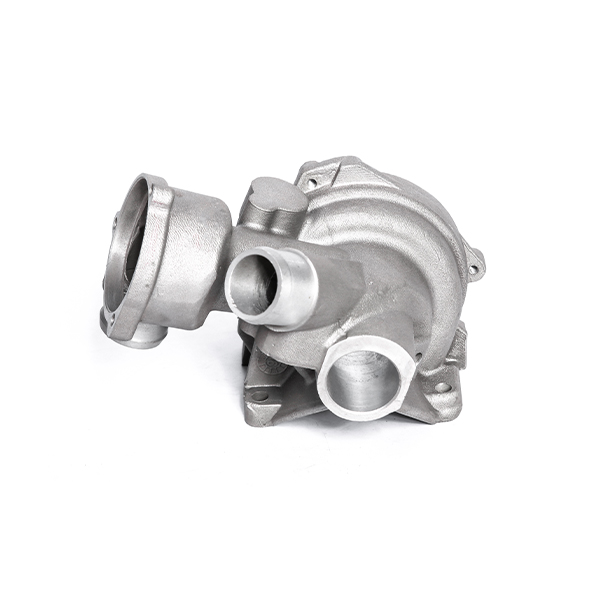
The most significant advantage of the 7.3% turbo compressor housing is its contribution to efficiency. By optimizing the flow dynamics, the housing allows for a higher volume of air to be compressed at lower power inputs. This results in improved overall system efficiency and reduced energy consumption, which is increasingly important in today’s eco-conscious industrial landscape.
Additionally, the design of the 7.3% turbo compressor housing facilitates easier maintenance and operation. With fewer parts subject to wear and tear, the housing structure reduces the frequency of maintenance interventions. This reliability translates into lower operational costs and increased uptime, critical factors for industries reliant on continuous operation.
Another benefit is the potential for customization. The 7.3% turbo compressor housing can be tailored to fit specific applications and operational conditions. Whether it’s for high-temperature applications or environments with harsh conditions, the design can be modified accordingly, making it a versatile choice for various industries.
Implications for Future Engineering
As industries continue to push for more efficient and sustainable solutions, the 7.3% turbo compressor housing signifies a leap toward achieving those goals. Researchers and engineers are likely to draw inspiration from its design features and performance indicators to develop future iterations of compressor housings that go even further in terms of efficiency and functionality.
Moreover, the principles underlying the 7.3% turbo compressor housing can extend beyond traditional turbo compressors, potentially influencing the design of other types of compressors and turbines in various settings. This cross-pollination of ideas is vital for fostering innovation in engineering and design.
Conclusion
In summary, the 7.3% turbo compressor housing represents a significant advancement in turbo compressor technology. Its unique design features deliver substantial benefits in terms of efficiency, reduced operational costs, and reliability. As industries increasingly prioritize sustainability and efficiency, innovations like the 7.3% turbo compressor housing will play a pivotal role in shaping the future of compressor technologies. By leveraging advanced engineering principles and materials science, the next generation of turbo compressor housings promises to deliver even greater performance, underscoring the importance of continued research and development in this area.
-
Choosing an Engine Storage Crate Cover for Material and EnvironmentNewsNov.23,2026
-
Cylinder Head Chamber Buyers: Check the Casting Specification FirstNewsNov.17,2026
-
How Impeller Casting Manufacturers Match Material, Process and EquipmentNewsNov.15,2026
-
Valve body vs. intake air chamber: Which casting fits your assembly?NewsNov.02,2026
-
Air Intake Chamber FAQ: Specifications, Ordering and Support QuestionsNewsOct.28,2026
-
Motorcycle Accessories FAQ: Specifications, Ordering and Support QuestionsNewsOct.24,2026










