English

Mobile:+86-311-8081-2683
Email:info@ydcastings.com
English
68mm Cap for Blanking Applications with Versatile Compatibility and Durable Design
Understanding the 68mm Blanking Cap A Comprehensive Overview
In the world of manufacturing and engineering, small components often play a crucial role in the functionality and efficiency of larger systems. One such component that has gained popularity in various applications is the 68mm blanking cap. This article aims to provide an in-depth understanding of what a 68mm blanking cap is, its applications, materials, and benefits.
What is a 68mm Blanking Cap?
A 68mm blanking cap is a type of closure or seal designed for pipes, tubes, or other cylindrical objects with a nominal diameter of 68mm. These caps serve to block, seal, or protect the ends of tubes or pipes, preventing the ingress of dust, moisture, and contaminants, as well as maintaining pressure within a system. Blank caps are particularly valuable in applications where it is necessary to provide a temporary or permanent seal without the need for additional fittings or welding.
Applications of 68mm Blanking Caps
68mm blanking caps have a wide range of applications across various industries
1. Pneumatic and Hydraulic Systems In pneumatic and hydraulic systems, blanking caps are indispensable for ensuring that systems maintain their integrity by preventing fluid leakage and keeping contaminants out. 2. Automotive In the automotive industry, these caps are used to seal off unused ports in engines and other machinery, maintaining the cleanliness and functionality of systems.
4. Electrical Applications These caps are also used in electrical applications, such as covering the ends of conduits and protecting wiring systems from environmental factors.
5. Manufacturing and Assembly During the manufacturing process, temporary blanking caps can be used to seal components that are not yet operational or when certain features are being assembled.
Materials Used in 68mm Blanking Caps
68mm blanking cap
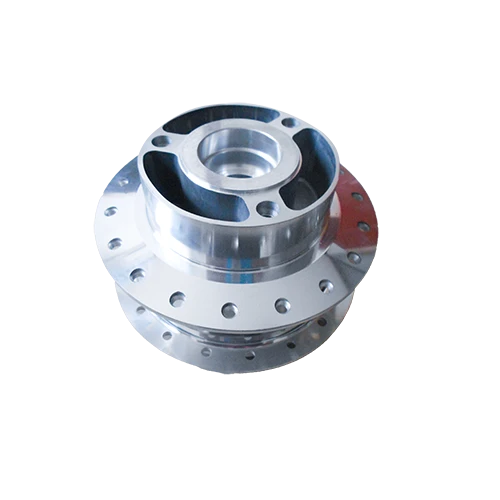
The material used to manufacture blanking caps is vital to their longevity and performance. Common materials include
- Plastic Often, blanking caps are made from high-density polyethylene (HDPE) or polypropylene, which offer excellent resistance to corrosion and environmental stress. Plastic caps are lightweight and economical. - Metal For applications requiring higher durability and pressure resistance, metal caps made from stainless steel or aluminum may be employed. These materials provide superior strength and longevity.
- Rubber or Silicone In situations where flexibility and a tighter seal are necessary, rubber or silicone caps may be chosen. These materials can conform to the shape of the surface they seal, enhancing their sealing capability.
Benefits of Using 68mm Blanking Caps
1. Prevention of Contamination By sealing off openings, blanking caps significantly reduce the risk of contaminants entering systems, which is vital for maintaining quality and performance.
2. Ease of Use Blanking caps are straightforward to install and remove, making them a convenient option for both temporary and permanent sealing needs.
3. Cost-Effectiveness Compared to other sealing methods, such as welding or using flanges, blanking caps are often more affordable and require less labor for installation.
4. Versatility 68mm blanking caps can be used in various applications across multiple industries, showcasing their adaptability.
5. Pressure Retention Many designs of blanking caps can maintain system pressure effectively, which is essential in hydraulic and pneumatic applications.
Conclusion
The 68mm blanking cap is a small but significant component that contributes to the efficiency and reliability of various systems across multiple industries. Whether used in automotive, plumbing, or electrical applications, these caps offer a range of benefits, including ease of installation, protective features, and cost-effectiveness. With various materials available, the appropriate blanking cap can be chosen based on the specific requirements of the application. As industries continue to evolve, the importance of such components is likely to increase, reinforcing the role they play in modern engineering and manufacturing.
-
Choosing an Engine Storage Crate Cover for Material and EnvironmentNewsNov.23,2026
-
Cylinder Head Chamber Buyers: Check the Casting Specification FirstNewsNov.17,2026
-
How Impeller Casting Manufacturers Match Material, Process and EquipmentNewsNov.15,2026
-
Valve body vs. intake air chamber: Which casting fits your assembly?NewsNov.02,2026
-
Air Intake Chamber FAQ: Specifications, Ordering and Support QuestionsNewsOct.28,2026
-
Motorcycle Accessories FAQ: Specifications, Ordering and Support QuestionsNewsOct.24,2026










