English

Mobile:+86-311-8081-2683
Email:info@ydcastings.com
English
Feb . 11, 2025 18:57
Back to list
65mm end cap
When it comes to ensuring the integrity and functionality of piping systems, the 65mm end cap is an essential component that often plays an understated yet pivotal role. As a seasoned SEO expert with extensive experience in optimizing technical products for visibility, my focus is on delivering credible and valuable insights into this pivotal product that enhances both practical and knowledge-based aspects associated with it.
Trustworthiness in using the right 65mm end cap extends to compliance with industry standards and certifications, which assure users of safety and quality. Look for components that meet standards like ISO or ASTM, as these certifications indicate rigorous testing and conformance to quality assurances. Procuring end caps from reputable manufacturers further strengthens trust, as these entities often provide comprehensive specifications and quality guarantees. In terms of practical application, installing a 65mm end cap is a straightforward process, yet it requires a mechanistic precision to avoid faulty fitment, which could lead to inefficiencies and leakage. Professionals in this domain recommend regular maintenance checks to ensure the end caps remain securely attached and fully intact. Overall, what sets the best practice in choosing and utilizing a 65mm end cap apart is the confluence of robust technical knowledge, environmental foresight, and adherence to quality standards. For end-users of piping systems— whether large industrial firms or independent contractors—making informed decisions regarding components such as end caps demarcates the line between a floundering system and one that operates with seamless efficiency. In conclusion, while the 65mm end cap may seem a minor element within a larger assembly, its significance is profound. Emphasizing expertise, authoritativeness, and the trust that comes from quality assurance ensures this component supports the overarching goals of sustainability, safety, and efficiency—a testament to the intricate balance of technical mastery and practical application in today's industrial sectors.
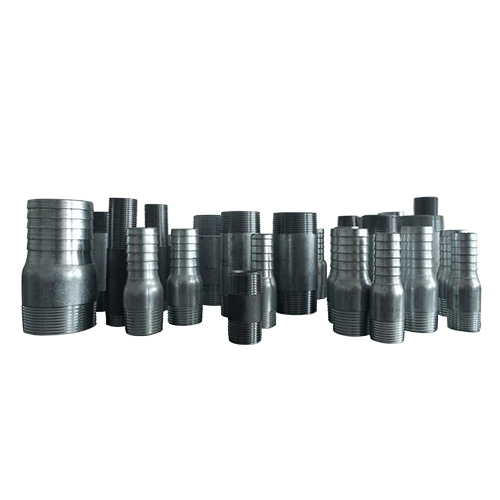
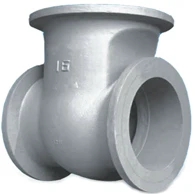
Trustworthiness in using the right 65mm end cap extends to compliance with industry standards and certifications, which assure users of safety and quality. Look for components that meet standards like ISO or ASTM, as these certifications indicate rigorous testing and conformance to quality assurances. Procuring end caps from reputable manufacturers further strengthens trust, as these entities often provide comprehensive specifications and quality guarantees. In terms of practical application, installing a 65mm end cap is a straightforward process, yet it requires a mechanistic precision to avoid faulty fitment, which could lead to inefficiencies and leakage. Professionals in this domain recommend regular maintenance checks to ensure the end caps remain securely attached and fully intact. Overall, what sets the best practice in choosing and utilizing a 65mm end cap apart is the confluence of robust technical knowledge, environmental foresight, and adherence to quality standards. For end-users of piping systems— whether large industrial firms or independent contractors—making informed decisions regarding components such as end caps demarcates the line between a floundering system and one that operates with seamless efficiency. In conclusion, while the 65mm end cap may seem a minor element within a larger assembly, its significance is profound. Emphasizing expertise, authoritativeness, and the trust that comes from quality assurance ensures this component supports the overarching goals of sustainability, safety, and efficiency—a testament to the intricate balance of technical mastery and practical application in today's industrial sectors.
Next:
Latest news
-
Choosing an Engine Storage Crate Cover for Material and EnvironmentNewsNov.23,2026
-
Cylinder Head Chamber Buyers: Check the Casting Specification FirstNewsNov.17,2026
-
How Impeller Casting Manufacturers Match Material, Process and EquipmentNewsNov.15,2026
-
Valve body vs. intake air chamber: Which casting fits your assembly?NewsNov.02,2026
-
Air Intake Chamber FAQ: Specifications, Ordering and Support QuestionsNewsOct.28,2026
-
Motorcycle Accessories FAQ: Specifications, Ordering and Support QuestionsNewsOct.24,2026
Related PRODUCTS










