English

Mobile:+86-311-8081-2683
Email:info@ydcastings.com
English
Feb . 16, 2025 01:38
Back to list
Pump Body
When it comes to securing and protecting the open ends of pipes in plumbing, construction, and industrial projects, the use of a 60mm pipe end cap is essential. This seemingly small component plays a crucial role in ensuring the longevity and efficiency of piping systems. Through years of hands-on experience in the field and in-depth research, insights into the functionality, application, and selection of pipe end caps can provide a foundational understanding for professionals and DIY enthusiasts alike.
Authoritativeness in understanding 60mm pipe end caps also involves comprehending relevant standards and regulations. Different industries may mandate specific standards for pipe end caps to comply with safety and environmental regulations. Familiarity with standards such as ASTM, ANSI, or relevant local guidelines ensures compliance, promotes safety, and prevents costly legal complications. Trustworthiness in selecting and utilizing pipe end caps is achieved through sourcing materials from reputable manufacturers. Reliable suppliers will provide product information, including load ratings, material specifications, and compliance certifications. Seeking out reviews and case studies can yield insights into the performance of different products in scenarios similar to your own, thus allowing informed decision-making. Moreover, the environmental aspect is increasingly influencing the choice of pipe end caps. Many sectors are moving toward sustainable practices, and selecting eco-friendly materials can contribute to a project's overall environmental sustainability goals. Some manufacturers offer recyclable or biodegradable options, aligning with green building standards and improving the environmental impact of your project. In conclusion, a 60mm pipe end cap may appear to be a minor component within complex piping systems, yet its role is indispensable. Through careful consideration of material, design, standards, and sustainability, companies and individuals can optimize their systems for both performance and longevity. By relying on expertise, authoritative sources, and trustworthy practices, stakeholders can be confident in the quality and effectiveness of their pipe end cap solutions, ensuring secure and efficient operations across various applications.
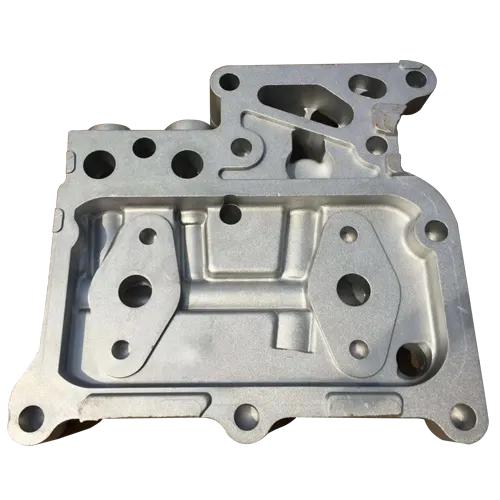
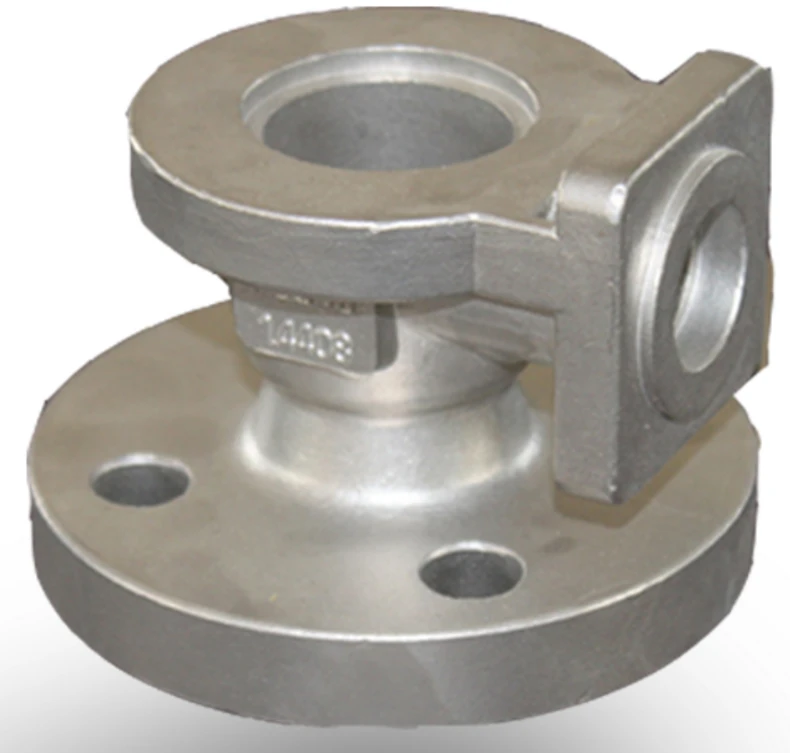
Authoritativeness in understanding 60mm pipe end caps also involves comprehending relevant standards and regulations. Different industries may mandate specific standards for pipe end caps to comply with safety and environmental regulations. Familiarity with standards such as ASTM, ANSI, or relevant local guidelines ensures compliance, promotes safety, and prevents costly legal complications. Trustworthiness in selecting and utilizing pipe end caps is achieved through sourcing materials from reputable manufacturers. Reliable suppliers will provide product information, including load ratings, material specifications, and compliance certifications. Seeking out reviews and case studies can yield insights into the performance of different products in scenarios similar to your own, thus allowing informed decision-making. Moreover, the environmental aspect is increasingly influencing the choice of pipe end caps. Many sectors are moving toward sustainable practices, and selecting eco-friendly materials can contribute to a project's overall environmental sustainability goals. Some manufacturers offer recyclable or biodegradable options, aligning with green building standards and improving the environmental impact of your project. In conclusion, a 60mm pipe end cap may appear to be a minor component within complex piping systems, yet its role is indispensable. Through careful consideration of material, design, standards, and sustainability, companies and individuals can optimize their systems for both performance and longevity. By relying on expertise, authoritative sources, and trustworthy practices, stakeholders can be confident in the quality and effectiveness of their pipe end cap solutions, ensuring secure and efficient operations across various applications.
Next:
Latest news
-
Choosing an Engine Storage Crate Cover for Material and EnvironmentNewsNov.23,2026
-
Cylinder Head Chamber Buyers: Check the Casting Specification FirstNewsNov.17,2026
-
How Impeller Casting Manufacturers Match Material, Process and EquipmentNewsNov.15,2026
-
Valve body vs. intake air chamber: Which casting fits your assembly?NewsNov.02,2026
-
Air Intake Chamber FAQ: Specifications, Ordering and Support QuestionsNewsOct.28,2026
-
Motorcycle Accessories FAQ: Specifications, Ordering and Support QuestionsNewsOct.24,2026
Related PRODUCTS










