English

Mobile:+86-311-8081-2683
Email:info@ydcastings.com
English
5 8 end cap
The Significance of 5% and 208% End Cap in Financial Markets
In the intricate world of finance, various metrics and markers serve as crucial indicators for investors and analysts alike. Among these, the terms 5% end cap and 208% end cap have gained attention, particularly in contexts related to real estate, investment funds, and valuation assessments. Understanding these concepts can significantly impact investment strategies and decision-making processes.
What is an End Cap?
Before delving into the specifics of 5% and 208% end caps, it's essential to grasp what an end cap represents in the financial arena. An end cap, often referred to in real estate and investment analysis, typically denotes a threshold or limit that a property or portfolio is expected to achieve in terms of its value or return rate. This figure is critical for investors since it helps gauge whether an investment is underperforming or excelling.
The 5% End Cap A Conservative Approach
The 5% end cap can often be associated with a conservative investment strategy. It suggests that an asset or property is generating a net operating income that, when divided by its purchase price, yields a capitalization rate of 5%. For real estate investors, a 5% cap rate indicates a moderate return on investment (ROI), reflecting a stable but perhaps lower-risk investment approach.
Investors might view a 5% end cap positively in a volatile market or uncertain economic conditions, as it implies a safer and more consistent income stream. Properties or portfolios with a 5% cap might appeal to risk-averse investors, seeking reliability over potentially higher but more variable returns. Furthermore, in highly competitive real estate markets, achieving a 5% cap can signify that the asset is in demand, contributing to its perceived stability.
The 208% End Cap A High-Risk, High-Reward Scenario
5 8 end cap
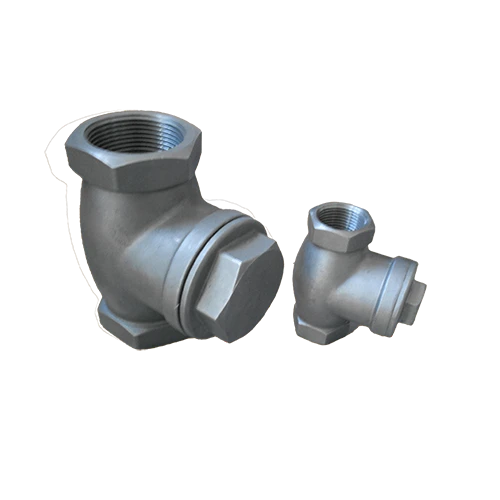
Conversely, the 208% end cap is a striking representation of high returns. When analyzing an investment with such a cap rate, it signals that the property or portfolio is generating an exceptionally high income relative to its value. In traditional contexts, a 208% cap rate may be unrealistically high, suggesting either extraordinary circumstances or perhaps indicating an unsustainable investment.
Investors drawn to a 208% end cap must tread cautiously. While the allure of high returns can be tempting, such figures often come with substantial risks. Properties yielding such profound returns might be located in sectors prone to extreme volatility or require aggressive management and operational strategies to maintain cash flow.
Comparative Analysis
The stark contrast between the 5% and 208% end caps illuminates the diversity of investment philosophies. The 5% cap represents a grounded, risk-averse approach, ideally suited for those prioritizing stability and steady income. In contrast, the 208% cap signifies an aggressive, opportunistic strategy, potentially leading to significant gains but accompanied by heightened risks.
Investor Considerations
For prospective investors, the choice between the two cap rates ultimately converges on individual risk tolerance and investment goals. An investor seeking long-term stability may gravitate towards the 5% end cap, valuing consistent returns and manageable risks. Meanwhile, an investor willing to navigate uncertainties might be drawn to the 208% end cap, motivated by the prospect of substantial financial rewards.
Moreover, market conditions play a pivotal role in determining the appropriateness of each cap rate. Economic landscapes marked by interest rate fluctuations, regulatory changes, and market dynamics can all influence cap rates and, consequently, investor behavior.
In conclusion, while the 5% and 208% end caps exist on opposite ends of the investment spectrum, each serves a distinct purpose in shaping financial strategies. Understanding the implications and potential outcomes of these figures equips investors with the knowledge necessary to make informed decisions. Ultimately, the choice lies in balancing risk and reward, aligning investment strategies with personal goals and market realities. As the financial world continues to evolve, the significance of these cap rates will undoubtedly remain a fundamental tenet in the assessment and management of investments.
-
Choosing an Engine Storage Crate Cover for Material and EnvironmentNewsNov.23,2026
-
Cylinder Head Chamber Buyers: Check the Casting Specification FirstNewsNov.17,2026
-
How Impeller Casting Manufacturers Match Material, Process and EquipmentNewsNov.15,2026
-
Valve body vs. intake air chamber: Which casting fits your assembly?NewsNov.02,2026
-
Air Intake Chamber FAQ: Specifications, Ordering and Support QuestionsNewsOct.28,2026
-
Motorcycle Accessories FAQ: Specifications, Ordering and Support QuestionsNewsOct.24,2026










