English

Mobile:+86-311-8081-2683
Email:info@ydcastings.com
English
4 Inch Drain Pipe End Cap for Efficient Plumbing Solutions and Secure Sealing
Everything You Need to Know About 4-Inch Drain Pipe End Caps
In plumbing and drainage systems, ensuring that every component works efficiently is crucial for optimal performance. One often overlooked but essential component of these systems is the end cap for 4-inch drain pipes. This article delves into the importance, types, installation, and benefits of using 4-inch drain pipe end caps.
Understanding the Role of End Caps
An end cap is a fitting that is used to seal the end of a pipe to prevent leaks, debris ingress, or the escape of gases. In the case of a 4-inch drain pipe, these caps are vital for maintaining the integrity of the system. They are commonly used in residential and commercial plumbing systems, providing a reliable solution for closing off the open ends of pipes.
Types of 4-Inch Drain Pipe End Caps
There are several types of end caps available in the market, designed for various applications and materials
1. PVC End Caps These caps are widely used due to their affordability and resistance to corrosion. They are suitable for both above-ground and underground applications, making them popular in drain and sewer systems.
2. ABS End Caps Made from Acrylonitrile Butadiene Styrene (ABS), these caps are known for their strength and durability. They are an excellent choice for wastewater and drain lines because they can withstand high temperatures and harsh chemicals.
3. Metal End Caps For high-pressure applications or areas exposed to extreme conditions, metal end caps made of materials like stainless steel or galvanized steel provide robust sealing options. They are less common in typical residential settings but essential in industrial contexts.
4. Rubber End Caps Often used as temporary closures during construction or maintenance, rubber end caps can easily fit over pipe ends. They create a flexible seal and are a quick fix for preventing dust and debris from entering the pipes.
Installation of 4-Inch Drain Pipe End Caps
4 inch drain pipe end cap
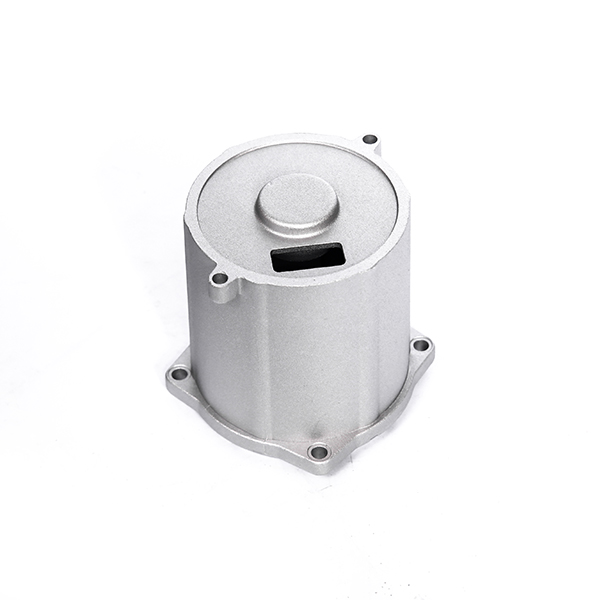
Installing a 4-inch drain pipe end cap is a straightforward process, making it accessible for DIY enthusiasts and professionals alike
. Here’s a simple guide1. Clean the Pipe End Begin by ensuring that the end of the pipe is clean and free from debris or moisture. This step is crucial for achieving a secure seal.
2. Choose the Right Cap Select a cap that matches the pipe material and type (sewer, vent, etc.). The fit should be snug to ensure no leaks occur.
3. Apply Adhesive (if applicable) For PVC or ABS caps, apply appropriate solvent cement to the pipe end. Follow the manufacturer's instructions for curing times.
4. Secure the Cap Push the cap onto the pipe end, ensuring it is straight and fully seated. For metal caps, bolts or clamps may be necessary for a tight fit.
5. Allow to Cure If adhesive was used, let it cure as per the manufacturer’s guidelines before subjecting the pipe to pressure.
Benefits of Using End Caps
Using 4-inch drain pipe end caps in your plumbing systems comes with numerous benefits
- Leak Prevention Properly installed end caps prevent leaks, which can cause water damage and costly repairs. - Debris Protection They act as guards against dust, dirt, and other debris entering the pipe, thereby maintaining system efficiency. - Enhanced System Longevity By sealing off unused or open ends of pipes, end caps help extend the lifespan of the plumbing system. - Versatility Available in various materials and designs, they can be tailored to fit specific needs and applications.
In conclusion, a 4-inch drain pipe end cap may seem like a small, insignificant part of a plumbing system, but it plays a vital role in ensuring efficient, leak-free operation. By understanding its types, installation process, and benefits, homeowners and professionals alike can make informed choices to enhance their plumbing projects.
-
Choosing an Engine Storage Crate Cover for Material and EnvironmentNewsNov.23,2026
-
Cylinder Head Chamber Buyers: Check the Casting Specification FirstNewsNov.17,2026
-
How Impeller Casting Manufacturers Match Material, Process and EquipmentNewsNov.15,2026
-
Valve body vs. intake air chamber: Which casting fits your assembly?NewsNov.02,2026
-
Air Intake Chamber FAQ: Specifications, Ordering and Support QuestionsNewsOct.28,2026
-
Motorcycle Accessories FAQ: Specifications, Ordering and Support QuestionsNewsOct.24,2026










