English

Mobile:+86-311-8081-2683
Email:info@ydcastings.com
English
Optimizing Exhaust Manifold Designs for the 4G93T Engine Performance Enhancement
The 4G93T Exhaust Manifold Performance and Design
The 4G93T engine, a part of Mitsubishi's esteemed family of engines, is known for its turbocharging capabilities and impressive power output. As with any performance engine, the design and efficiency of the exhaust manifold play a crucial role in maximizing the engine's potential. This article delves into the importance of the exhaust manifold, its design features, and its impact on the 4G93T engine’s performance.
Understanding the Exhaust Manifold
An exhaust manifold is a component that collects exhaust gases from multiple cylinders into one pipe, directing them towards the exhaust system. In turbocharged engines like the 4G93T, the exhaust manifold is particularly important as it not only channels exhaust gases efficiently but also plays a critical role in turbocharger performance. A well-designed manifold can reduce turbo lag and improve overall engine responsiveness.
Design Features of the 4G93T Exhaust Manifold
The design of the 4G93T exhaust manifold has been carefully engineered to optimize airflow and minimize turbulence. Typically made from cast iron or stainless steel, the material choice is critical for heat resistance and durability. One of the primary design features of the 4G93T manifold is its tubular layout, which allows for more efficient gas flow compared to a stock, log-style manifold.
1. Turbulence Reduction The tubular design of the manifold helps in reducing turbulence as exhaust gases exit the engine. Turbulence can create back pressure, which negatively impacts performance. By streamlining the path of the exhaust gases, the manifold promotes quicker escape, allowing the turbocharger to spool up faster.
2. Heat Management During operation, exhaust manifolds can become extremely hot. Efficient heat dissipation in the design is essential to prevent heat saturation, which can lead to failures. Materials used in the construction of the 4G93T manifold are chosen not only for strength but also for their ability to handle high temperatures.
4g93t exhaust manifold
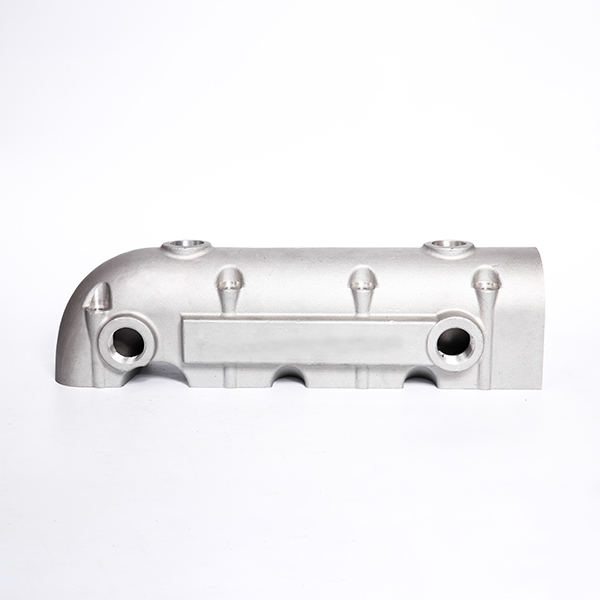
3. Optimized Runner Lengths For motorsport applications, tuning the length of the exhaust runners can improve performance characteristics across different RPM ranges. Shorter runners may enhance high RPM performance, while longer runners can improve low-end torque. The 4G93T's manifold design takes these factors into account, enabling tuning for specific performance goals.
4. Connection to Turbocharger The integration of the exhaust manifold with the turbocharger is a critical design aspect. A direct connection ensures that the exhaust gases are effectively used to spin the turbo, generating boost. The positioning and angle of the turbocharger connection are optimized in the 4G93T manifold to facilitate efficiency and reduce lag.
Impact on Performance
Upgrading the exhaust manifold on a 4G93T engine can lead to significant performance improvements. Many car enthusiasts and tuners report increased horsepower and torque figures following an aftermarket manifold installation. The enhanced exhaust flow reduces turbo lag, making the engine more responsive to throttle inputs and improving acceleration.
Furthermore, a performance exhaust manifold can contribute to a more aggressive engine note. For many car enthusiasts, the auditory experience of a vehicle is just as important as its performance metrics, and an aftermarket manifold can enhance this aspect as well.
Conclusion
The exhaust manifold is a critical component in the performance landscape of the 4G93T engine. Its design influences not just the efficiency of exhaust gas expulsion but also the overall driving experience. By understanding the importance of the exhaust manifold and considering upgrades, enthusiasts can unlock the true potential of the 4G93T engine. Whether for daily driving or high-performance applications, the right exhaust manifold can make a significant difference, transforming the car into a more powerful and engaging vehicle. As the automotive world continues to evolve, innovations in exhaust manifold design will likely play a pivotal role in the ongoing pursuit of performance excellence.
-
Choosing an Engine Storage Crate Cover for Material and EnvironmentNewsNov.23,2026
-
Cylinder Head Chamber Buyers: Check the Casting Specification FirstNewsNov.17,2026
-
How Impeller Casting Manufacturers Match Material, Process and EquipmentNewsNov.15,2026
-
Valve body vs. intake air chamber: Which casting fits your assembly?NewsNov.02,2026
-
Air Intake Chamber FAQ: Specifications, Ordering and Support QuestionsNewsOct.28,2026
-
Motorcycle Accessories FAQ: Specifications, Ordering and Support QuestionsNewsOct.24,2026










