English

Mobile:+86-311-8081-2683
Email:info@ydcastings.com
English
Efficient Solutions for 4% Drain Pipe Cap Usage and Maintenance Tips
Understanding the Importance of a 4% Drain Pipe Cap
In the architecture and plumbing industries, an efficient drainage system is critical for maintaining the integrity and functionality of buildings and infrastructure. Among various components of these systems, the drain pipe cap plays a pivotal role. This article delves into the specifics of a 4% drain pipe cap, illustrating its essential features, benefits, and applications.
What is a Drain Pipe Cap?
A drain pipe cap serves as a closure for drain pipes, preventing unauthorized access, debris entry, and the escape of odors or gases. It is an integral part of a drainage system, particularly in setups where maintenance, plumbing inspections, or emergency access is needed. The term 4% drain pipe cap typically refers to a cap designed for pipes with a specific percentage flow or drainage efficiency requirement, thus ensuring optimal functionality.
The 4% Specification
The 4% aspect often denotes the pipe’s drainage capacity, allowing for a sustained flow rate under standard conditions. It suggests that the cap is engineered to allow for a certain percentage of fluid to drain without restriction, thereby preventing blockages and ensuring a smooth operation. This specification is particularly significant in contexts where excessive rain or water runoff could otherwise lead to overflow or flooding.
Importance in Plumbing Systems
1. Flow Control The 4% drain pipe cap is designed not just for closure but also for maintaining a controlled flow of liquids. By preventing uncontrolled backflow, it protects the integrity of the drainage system and mitigates the risk of property damage.
2. Sanitary Safety A properly fitted drain pipe cap prevents the entry of pests, debris, and other contaminants into the drainage system, safeguarding public health and environmental standards. It also minimizes the potential for noxious odors developing from stagnant water.
3. Maintenance Accessibility The cap facilitates maintenance by providing access points for plumbing inspections and repairs. It is often designed for easy removal, allowing plumbers to quickly diagnose issues without dismantling significant portions of the infrastructure.
4 drain pipe cap
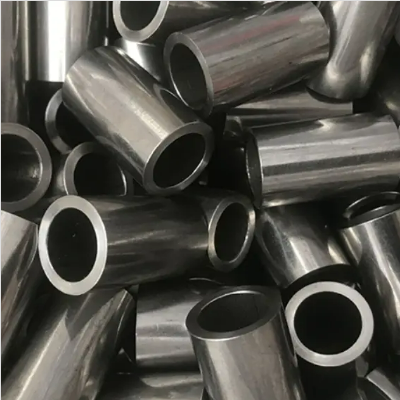
4. Versatility in Applications The 4% drain pipe cap is used in various scenarios—from residential plumbing to large-scale commercial drainage systems, including stormwater management systems. Its adaptability makes it a preferred choice for engineers and architects alike.
Installation and Best Practices
Installing a drain pipe cap is a task that requires careful planning. Here are some best practices
- Choose the Right Material Drain pipe caps come in various materials, including PVC, metal, and rubber. It’s essential to select a material that’s compatible with the existing plumbing system and environmental pressures.
- Proper Sizing Ensure that the cap fits the diameter of the pipe securely. A good fit is crucial not only for functionality but also for preventing leakages that could lead to costly repairs.
- Regular Inspections Even with a secure cap, regular checks are necessary to confirm that it remains in good condition and that the drain system functions optimally. Any signs of wear or damage should be addressed swiftly to avoid further complications.
Conclusion
In conclusion, the 4% drain pipe cap is more than just a functional element; it is a critical component that supports the overall health of drainage systems. By preventing clogs, maintaining sanitary conditions, and facilitating maintenance, it plays an integral role in plumbing design. As urban environments continue to grow and face challenges related to water management, understanding the importance of such components becomes increasingly relevant.
Investing in quality drainage solutions, including the appropriate use of drain pipe caps, is essential for maintaining functionality and sustainability in both residential and industrial settings. By ensuring that the drainage infrastructure is robust and well-maintained, we can protect our environments from the adverse effects of poor water management, ultimately contributing to a healthier and safer community.
-
Choosing an Engine Storage Crate Cover for Material and EnvironmentNewsNov.23,2026
-
Cylinder Head Chamber Buyers: Check the Casting Specification FirstNewsNov.17,2026
-
How Impeller Casting Manufacturers Match Material, Process and EquipmentNewsNov.15,2026
-
Valve body vs. intake air chamber: Which casting fits your assembly?NewsNov.02,2026
-
Air Intake Chamber FAQ: Specifications, Ordering and Support QuestionsNewsOct.28,2026
-
Motorcycle Accessories FAQ: Specifications, Ordering and Support QuestionsNewsOct.24,2026










