English

Mobile:+86-311-8081-2683
Email:info@ydcastings.com
English
4 blade impeller
Understanding the 4% Blade Impeller An Engineering Marvel
The 4% blade impeller is a significant innovation in the field of fluid dynamics and mechanical engineering, particularly in applications involving pumps, turbines, and other rotating machinery. This article explores the design, functionality, advantages, and applications of the 4% blade impeller, shedding light on its pivotal role in enhancing efficiency and performance in various systems.
Design and Structure
At its core, the 4% blade impeller consists of a series of blades that rotate around a central axis, generating a flow of fluid through centrifugal force. The term 4% refers to the blade height relative to the diameter of the impeller, which is typically designed to be about 4% of the overall diameter. This specific ratio is a critical factor in determining the hydraulic efficiency and performance characteristics of the impeller.
The blades of the impeller are engineered to an aerodynamic profile, allowing them to interact optimally with the fluid. They can be configured in various ways, including radial, mixed, or axial designs, depending on the intended application. Each configuration offers distinct advantages in terms of flow characteristics, pressure generation, and energy efficiency.
Working Principles
The operational principle of the 4% blade impeller is based on the conversion of mechanical energy to fluid energy. As the impeller rotates, the blades cut through the fluid, imparting momentum and thereby accelerating it outward. This process generates pressure differences that enable the fluid to flow through the system. The specific design and angle of the blades significantly influence the fluid dynamics and overall performance.
Advantages of the 4% Blade Impeller
1. Efficiency One of the most significant advantages of the 4% blade impeller is its high efficiency. Because of the optimized blade height and design, it reduces energy losses associated with fluid flow, allowing pumps and turbines to operate at lower energy consumption levels while delivering high-performance outcomes.
2. Reduced Noise and Vibration The design of the 4% blade impeller also contributes to lower noise and vibration levels during operation. This is crucial not only for user comfort but also for prolonging the lifespan of equipment, as excessive vibration can lead to wear and tear on mechanical components.
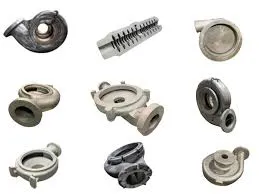
4 blade impeller
3. Enhanced Durability The materials used in manufacturing these impellers are often selected based on corrosion resistance and strength, enabling them to withstand harsh operating conditions. As a result, a 4% blade impeller can provide longevity, reducing the frequency of replacements and maintenance costs.
4. Versatility This type of impeller can be utilized in a wide range of applications, from industrial pumps in water treatment plants to gas turbines in power generation. Its adaptability makes it a preferred choice in various sectors, including automotive, aerospace, and marine industries.
Applications of 4% Blade Impeller
The applications of the 4% blade impeller are vast and varied. In the water supply sector, these impellers are crucial for efficiently moving water through treatment plants and distribution systems. In the energy sector, they are employed in gas and steam turbines to generate electricity. Additionally, their use in refrigeration systems highlights their importance in maintaining energy-efficient cooling processes.
In the marine sector, 4% blade impellers are utilized in ship propulsion systems, optimizing performance and fuel efficiency. Furthermore, advancements in materials science have led to the development of lightweight and strong materials for these impellers, enhancing their performance in high-speed applications.
Future of 4% Blade Impeller Technology
As industries increasingly focus on sustainability and energy efficiency, the role of the 4% blade impeller will likely expand. Ongoing research and development aim to refine the design further, improve efficiency, and integrate smart technologies for real-time performance monitoring. The adoption of advanced computational fluid dynamics (CFD) tools is revolutionizing the way engineers design and analyze these impellers, leading to innovations that could set new standards in efficiency and performance.
Conclusion
The 4% blade impeller represents a remarkable synergy of engineering principles and practical application. Its design, characterized by a specific blade height ratio, enhances the efficiency, durability, and versatility of fluid dynamics systems. As technology continues to evolve, the capabilities of the 4% blade impeller are expected to advance, solidifying its status as a vital component in the future of engineering and machinery.
-
Choosing an Engine Storage Crate Cover for Material and EnvironmentNewsNov.23,2026
-
Cylinder Head Chamber Buyers: Check the Casting Specification FirstNewsNov.17,2026
-
How Impeller Casting Manufacturers Match Material, Process and EquipmentNewsNov.15,2026
-
Valve body vs. intake air chamber: Which casting fits your assembly?NewsNov.02,2026
-
Air Intake Chamber FAQ: Specifications, Ordering and Support QuestionsNewsOct.28,2026
-
Motorcycle Accessories FAQ: Specifications, Ordering and Support QuestionsNewsOct.24,2026










