English

Mobile:+86-311-8081-2683
Email:info@ydcastings.com
English
4.3 v6 exhaust manifold
Understanding the 4.3% V6 Exhaust Manifold A Comprehensive Overview
The exhaust manifold is a crucial component in any internal combustion engine, particularly in V6 configurations. For those interested in automotive performance, the 4.3% V6 exhaust manifold serves as an important focal point for enhancing engine efficiency and performance. This article will delve into the significance of the exhaust manifold, its design considerations, and the benefits of optimizing this component for better vehicle performance.
The Role of the Exhaust Manifold
The primary function of the exhaust manifold is to collect exhaust gases from the engine cylinders and direct them into the exhaust system. In a V6 engine, which features two banks of three cylinders, the exhaust manifold must efficiently gather gases from both banks and minimize restrictions to facilitate smooth exhaust flow. This is essential for maintaining optimal engine performance and fuel efficiency.
Design Considerations
When discussing the design of the 4
.3% V6 exhaust manifold, several factors come into play1. Material Exhaust manifolds are typically made from cast iron or stainless steel. Cast iron is durable and can absorb heat, thereby reducing the risk of warping. Stainless steel, on the other hand, is lighter and resistant to corrosion, which can be advantageous in performance applications.
2. Shape and Sizing The geometry of the manifold affects the exhaust flow. A well-designed manifold should have smooth curves and adequate cross-sectional areas to reduce back pressure. This helps to enhance the scavenging effect, where the exiting exhaust gases help to pull fresh air-fuel mixture into the combustion chamber.
3. Porting Porting refers to the process of smoothing and enlarging the passages through which exhaust gases flow. This can significantly improve the efficiency of the manifold, allowing for better performance, especially in modified or high-performance engines.
4.3 v6 exhaust manifold
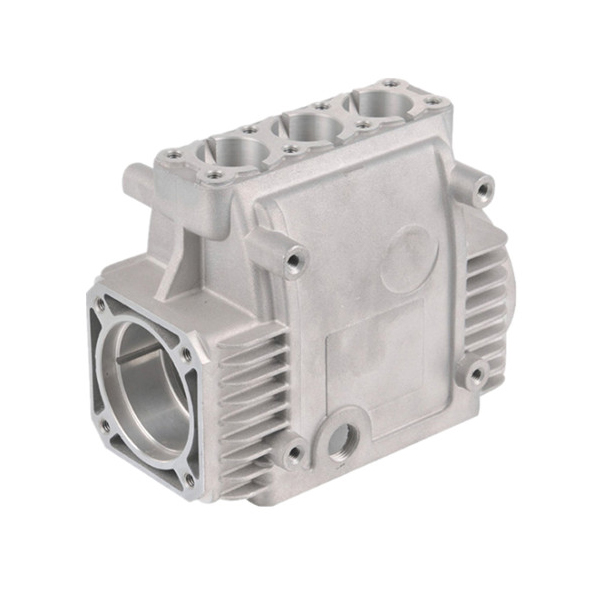
4. Headers vs. Manifolds Many performance enthusiasts opt for aftermarket headers instead of stock exhaust manifolds. Headers are designed to enhance the exhaust flow further, allowing for greater power gains. However, they can also be noisier and may require more maintenance than traditional manifolds.
Advantages of an Optimized Exhaust Manifold
Investing in a high-quality exhaust manifold or upgrading the stock manifold can yield numerous benefits
- Increased Horsepower A well-optimized exhaust manifold can promote better exhaust flow, resulting in improved horsepower. By reducing restrictions, the engine can breathe easier, allowing it to produce more power.
- Improved Torque Torque is critical for vehicle acceleration, especially in everyday driving conditions. An efficient exhaust system can help enhance low-end torque, providing a stronger pull from stops and during low-speed driving.
- Better Fuel Efficiency While it may seem counterintuitive, an improved exhaust manifold can lead to better fuel efficiency. When the engine can expel exhaust gases more effectively, it operates more efficiently, resulting in less fuel consumption for the same power output.
- Enhanced Engine Sound Many enthusiasts appreciate a richer exhaust note. Upgrading to a performance exhaust manifold can alter the sound of the engine, offering a more aggressive tone that can enhance the driving experience.
Conclusion
The 4.3% V6 exhaust manifold plays a vital role in the overall performance of V6 engines. Understanding its design, functionality, and potential for improvement can lead to significant gains in horsepower, torque, and fuel efficiency. Whether you are a casual driver looking to enhance your vehicle’s performance or a dedicated enthusiast seeking to push the limits, focusing on the exhaust manifold is a step in the right direction. As always, when considering modifications, it is essential to balance performance gains with reliability and compliance with local emissions regulations. Investing in quality components and expert installation can make all the difference in achieving your desired performance goals.
-
Choosing an Engine Storage Crate Cover for Material and EnvironmentNewsNov.23,2026
-
Cylinder Head Chamber Buyers: Check the Casting Specification FirstNewsNov.17,2026
-
How Impeller Casting Manufacturers Match Material, Process and EquipmentNewsNov.15,2026
-
Valve body vs. intake air chamber: Which casting fits your assembly?NewsNov.02,2026
-
Air Intake Chamber FAQ: Specifications, Ordering and Support QuestionsNewsOct.28,2026
-
Motorcycle Accessories FAQ: Specifications, Ordering and Support QuestionsNewsOct.24,2026










