English

Mobile:+86-311-8081-2683
Email:info@ydcastings.com
English
426 max wedge exhaust manifolds
Understanding the 426 Max Wedge Exhaust Manifolds
The automotive industry has witnessed numerous innovations over the years, but few can rival the legendary status of the 426 Max Wedge engines produced by Chrysler in the early 1960s. An integral part of this iconic engine was its exhaust manifolds, which played a crucial role in optimizing performance and efficiency. In this article, we will delve into the significance of the 426 Max Wedge exhaust manifolds, their design, and their impact on performance.
The Evolution of the Max Wedge Engine
Initially developed for drag racing, the 426 Max Wedge emerged as a powerhouse during the muscle car era. The 426 cubic inch V8 engine boasted remarkable horsepower and torque figures, making it a favorite among racing enthusiasts. However, the engine's performance could only be maximized when paired with the appropriate components, and this is where the exhaust manifolds came into play.
Design Features of the Max Wedge Exhaust Manifolds
The exhaust manifolds of the 426 Max Wedge engine were meticulously engineered to enhance exhaust flow and reduce backpressure. One of the key design features was their larger-than-average size compared to standard manifolds. This increased volume allowed for a more efficient exit of exhaust gases from the engine, which is crucial for maintaining optimal performance.
Additionally, the configuration of the exhaust ports was refined to facilitate better exhaust scavenging. The design aimed to utilize the energy of exhaust gases effectively, ensuring that the engine could expel exhaust quickly and draw in fresh air-fuel mixtures efficiently. This balance is vital for high-performance engines where every horsepower counts.
Performance Gains
426 max wedge exhaust manifolds
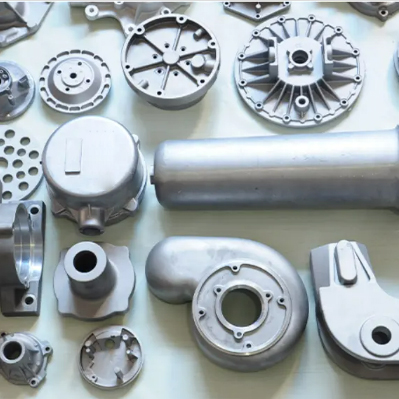
The performance improvements realized with the 426 Max Wedge exhaust manifolds were significant. By optimizing exhaust flow, these manifolds were able to contribute to the engine's overall horsepower rating, which often exceeded 425 hp in factory settings. The design allowed for a smoother flow of gases, which directly correlates with improved throttle response, acceleration, and top speed.
Moreover, the high-performance aspect of the Max Wedge engine attracted many racers looking to achieve competitive advantages on the track. The exhaust manifolds, combined with other performance enhancements like dual carburetors and advanced ignition timing, created a formidable powerplant that dominated drag strips across the United States.
Challenges and Considerations
Despite their impressive performance, the Max Wedge exhaust manifolds were not without challenges. The larger size and unique design meant that they might not fit all engine bays, especially in non-factory configurations. Additionally, enthusiasts looking to upgrade or modify their vehicles using aftermarket parts needed to consider the compatibility of these manifolds with other performance upgrades.
Heat dissipation was another critical consideration. While the exhaust manifolds were designed to handle high temperatures, excessive heat could lead to warping or cracking over time, particularly in racing conditions. Consequently, proper installation and periodic maintenance became essential to ensure longevity and sustained performance.
Legacy of the 426 Max Wedge Exhaust Manifolds
Today, the 426 Max Wedge engine and its exhaust manifolds remain a symbol of American muscle. They are celebrated not only for their performance but also for their role in the cultural phenomenon of the muscle car era. Collectors and enthusiasts often seek out these components to restore classic vehicles or to strengthen the performance of custom builds.
In conclusion, the 426 Max Wedge exhaust manifolds embody the spirit of innovation that characterized the early days of muscle cars. Their unique design and contribution to high-performance engines have ensured their status in automotive history. Whether on the drag strip or showcased at a car show, the legacy of the Max Wedge and its exhaust manifolds continues to inspire pride and passion among automotive enthusiasts around the world.
-
Choosing an Engine Storage Crate Cover for Material and EnvironmentNewsNov.23,2026
-
Cylinder Head Chamber Buyers: Check the Casting Specification FirstNewsNov.17,2026
-
How Impeller Casting Manufacturers Match Material, Process and EquipmentNewsNov.15,2026
-
Valve body vs. intake air chamber: Which casting fits your assembly?NewsNov.02,2026
-
Air Intake Chamber FAQ: Specifications, Ordering and Support QuestionsNewsOct.28,2026
-
Motorcycle Accessories FAQ: Specifications, Ordering and Support QuestionsNewsOct.24,2026










