English

Mobile:+86-311-8081-2683
Email:info@ydcastings.com
English
40mm Waste Pipe Blanking Cap for Efficient Waste Management Solutions
Understanding the Importance of a 40mm Waste Pipe Blanking Cap
In the realm of plumbing and waste management, components like the 40mm waste pipe blanking cap play a crucial role in maintaining the integrity and functionality of drainage systems. While often overlooked, the blanking cap is essential for a variety of reasons, ranging from preventing leaks to ensuring proper waste management in residential and commercial properties.
What is a 40mm Waste Pipe Blanking Cap?
A 40mm waste pipe blanking cap is a fitting designed to seal off the open end of a 40mm waste pipe, effectively blocking the flow of waste and preventing any unwanted drainage or leakage. Usually made from durable materials such as PVC or ABS plastic, these caps are engineered to withstand varying pressures and environmental conditions. The choice of material is essential, as it helps ensure longevity and resistance to corrosion, which is critical in plumbing solutions.
Applications of a Blanking Cap
Blanking caps are often deployed in various scenarios. They are commonly used in plumbing systems where a waste pipe is no longer required, such as during renovations or when converting a space with obsolete plumbing. By securely capping these pipes, homeowners and builders can prevent any potential water damage that could arise from leaks or spills.
Moreover, blanking caps are instrumental in managing plumbing systems during maintenance activities. For example, when a pipe section is being repaired or replaced, capping off adjacent lines with a blanking cap can isolate sections of the plumbing system, ensuring that water does not flow through unintended areas. This isolation allows for a safer working environment and minimizes the mess involved in plumbing repairs.
Selecting the Right Blanking Cap
40mm waste pipe blanking cap
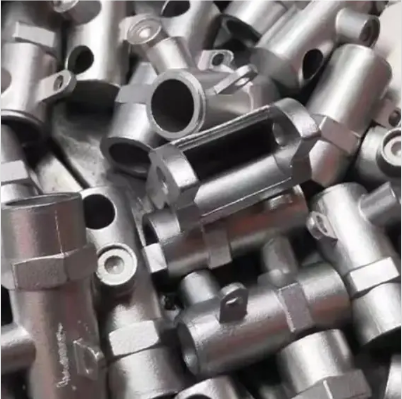
Choosing the right blanking cap involves considering several factors. The most important is the diameter—ensuring that you are using a 40mm cap for a 40mm waste pipe is paramount. Additionally, the type of material should be suitable for the specific environment in which it will be used; for example, PVC is often favored for indoor plumbing applications, while ABS may be used for outdoor installations due to its higher UV resistance.
It's also essential to ensure that the cap is compatible with the existing plumbing system. Look for fittings that match the intended joinery method, whether it's solvent-weld, push-fit, or threaded. Compatibility with existing system standards ensures a leak-proof seal and reduces the risk of future failures.
Installation and Maintenance
Installing a 40mm waste pipe blanking cap is a straightforward process. Begin by cleaning the area around the pipe to ensure a proper seal. If using a solvent weld cap, apply the adhesive evenly and firmly press the cap onto the pipe. For threaded caps, simply screw them onto the pipe until snug.
Regular maintenance checks are recommended to ensure that the blanking cap remains secure and intact. Over time, exposure to environmental elements and temperature changes may lead to wear and tear, which could compromise the seal. Inspecting the cap periodically can help catch any issues before they escalate into more severe plumbing problems.
Conclusion
The 40mm waste pipe blanking cap may seem like a minor component in the grand scheme of plumbing, but its role is undeniably significant. By providing a reliable means to seal off waste pipes, these caps protect against leaks, facilitate maintenance, and contribute to the overall efficiency of waste management systems. Whether you're a homeowner, a contractor, or a plumber, understanding the function and importance of blanking caps can lead to better decision-making in maintaining a safe and effective plumbing infrastructure. Make sure to keep these components in mind when planning your plumbing layout or during any renovation projects.
-
Choosing an Engine Storage Crate Cover for Material and EnvironmentNewsNov.23,2026
-
Cylinder Head Chamber Buyers: Check the Casting Specification FirstNewsNov.17,2026
-
How Impeller Casting Manufacturers Match Material, Process and EquipmentNewsNov.15,2026
-
Valve body vs. intake air chamber: Which casting fits your assembly?NewsNov.02,2026
-
Air Intake Chamber FAQ: Specifications, Ordering and Support QuestionsNewsOct.28,2026
-
Motorcycle Accessories FAQ: Specifications, Ordering and Support QuestionsNewsOct.24,2026










