English

Mobile:+86-311-8081-2683
Email:info@ydcastings.com
English
Exploring Three Distinct Types of Impellers and Their Applications in Fluid Dynamics
Understanding the Three Types of Impellers in Fluid Mechanics
Impellers are crucial components in various engineering applications, especially in pumps and turbines. They are responsible for converting mechanical energy into kinetic energy in fluids, affecting the efficiency and performance of the device in which they are installed. The design of an impeller significantly influences how well it moves fluid, and there are several types available, each suited for different applications. In this article, we will discuss three common types of impellers centrifugal, axial, and mixed-flow impellers.
1. Centrifugal Impellers
Centrifugal impellers are perhaps the most widely used type in various industrial and commercial applications, particularly in centrifugal pumps. These impellers work by imparting rotational energy to the fluid, causing it to move outward due to centrifugal force. The design usually features curved blades that facilitate the smooth flow of fluid, increasing its velocity and pressure.
The performance of centrifugal impellers can be influenced by several factors, including the geometry of the blades, operating speed, and liquid properties. They excel in handling high-flow rates and can maintain stable flow characteristics even under varying load conditions. However, they are less effective at drawing fluids from low-pressure areas, which is a notable limitation when compared to other types of impellers.
Axial impellers, on the other hand, function quite differently from their centrifugal counterparts. They operate by pushing the fluid along the axis of the impeller shaft, resembling the action of a propeller. This type of impeller is often employed in applications requiring high flow rates at relatively low pressures, such as in cooling towers, aeration systems, and wastewater treatment plants.
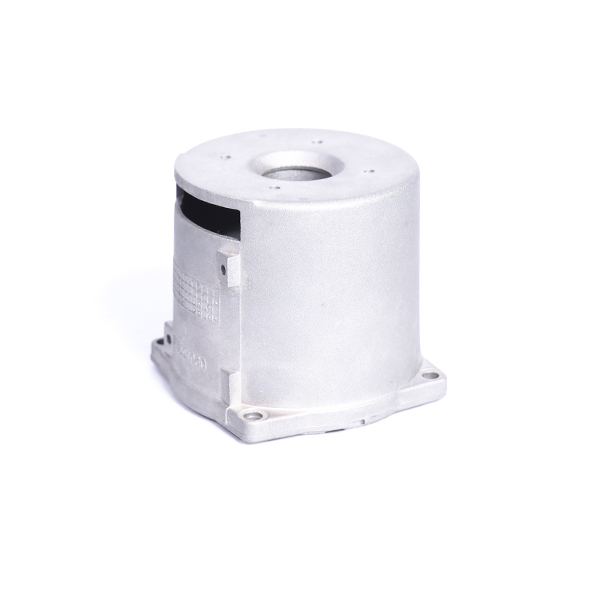
3 types of impeller
The blades of axial impellers are typically designed to create an axial flow pattern, allowing fluids to enter the impeller at the center and exit along the shaft line. One of the key advantages of axial impellers is their ability to move large volumes of fluid efficiently, making them suitable for applications where space is limited. However, they may be less effective at generating high pressure compared to centrifugal impellers, making them not ideal for all scenarios.
3. Mixed-Flow Impellers
Mixed-flow impellers combine the principles of both centrifugal and axial impellers, allowing for both radial (outward) and axial (along the shaft) movement of the fluid. They offer a versatile solution that can efficiently handle both low and high pressure and flow situations. The design often includes angled blades that contribute to the dual-direction fluid movement.
Mixed-flow impellers are particularly beneficial in applications such as irrigation pumps, drainage systems, and some types of hydraulic turbines. They provide the ability to maintain good efficiency across a range of operating conditions, making them widely applicable in various industries. Their adaptability to different flow requirements positions them as a superior choice for systems with varying demands.
Conclusion
In summary, understanding the three types of impellers—centrifugal, axial, and mixed-flow—is essential for making informed decisions in pumping and fluid management applications. Each type has its unique characteristics and suitability depending on the specific requirements of the system. By selecting the appropriate impeller type, engineers can optimize performance, increase efficiency, and ensure reliability in fluid handling processes. Whether for industrial, agricultural, or municipal uses, the right impeller choice is vital in achieving the desired outcomes in fluid dynamics.
-
Choosing an Engine Storage Crate Cover for Material and EnvironmentNewsNov.23,2026
-
Cylinder Head Chamber Buyers: Check the Casting Specification FirstNewsNov.17,2026
-
How Impeller Casting Manufacturers Match Material, Process and EquipmentNewsNov.15,2026
-
Valve body vs. intake air chamber: Which casting fits your assembly?NewsNov.02,2026
-
Air Intake Chamber FAQ: Specifications, Ordering and Support QuestionsNewsOct.28,2026
-
Motorcycle Accessories FAQ: Specifications, Ordering and Support QuestionsNewsOct.24,2026










