English

Mobile:+86-311-8081-2683
Email:info@ydcastings.com
English
3D Printing Innovations for Aluminum Casting Techniques and Applications
The Future of Aluminum Casting from 3D Printing A Revolutionary Approach
In recent years, the realms of manufacturing and design have undergone a significant transformation, largely driven by advancements in 3D printing technology. Among its numerous applications, one of the most promising is aluminum casting, which combines the strength and lightweight properties of aluminum with the innovative capabilities of additive manufacturing. This article explores the impact of 3D printing on aluminum casting, its benefits, challenges, and the future prospects of this revolutionary approach.
Understanding Aluminum Casting
Aluminum casting is a widely used manufacturing process that involves pouring molten aluminum into a mold to create desired shapes and components. This method is prevalent in various industries, including automotive, aerospace, and consumer goods, due to aluminum's excellent strength-to-weight ratio, corrosion resistance, and machinability. Traditionally, aluminum casting has relied on methods such as sand casting, die casting, and investment casting, each with its own set of advantages and limitations.
The Role of 3D Printing
The integration of 3D printing into the aluminum casting process introduces a new level of efficiency and creativity. Unlike conventional manufacturing, 3D printing allows for the rapid prototyping of complex geometries that would be difficult, if not impossible, to achieve through traditional methods. By utilizing computer-aided design (CAD) software, engineers can design intricate patterns and molds that optimize material usage and performance.
One of the most notable developments in this field is the creation of 3D printed sand molds. These molds can be produced quickly and tailored to specific designs, significantly reducing lead times in the manufacturing process. As a result, companies can bring their products to market faster, respond to customer demands promptly, and minimize production costs.
Benefits of 3D Printed Aluminum Casting
1. Design Flexibility With 3D printing, designers can explore more complex shapes and intricate features without the constraints of traditional manufacturing methods. This flexibility allows for innovative product designs that enhance functionality and aesthetic appeal.
aluminum casting from 3d print
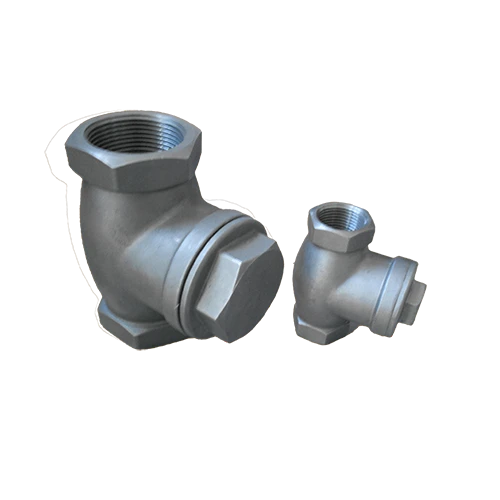
2. Reduced Waste Traditional casting techniques often result in significant material waste due to the limitations of mold design and the machining processes that follow casting. 3D printing optimizes the use of materials, reducing waste and lowering costs.
3. Faster Prototyping The ability to quickly produce molds means that companies can iterate on designs rapidly. This agility in prototyping accelerates the development cycle, allowing businesses to refine their products based on real-time feedback and testing.
4. Lower Production Costs Although the initial investment in 3D printing technology can be substantial, the long-term cost savings from reduced material waste and faster production times can be significant. Additionally, 3D printing eliminates the need for extensive tooling, further lowering costs.
Challenges and Considerations
Despite the numerous advantages, integrating 3D printing into aluminum casting is not without challenges. One of the primary concerns is the reliability and repeatability of 3D printed molds, especially for high-volume production runs. Ensuring that molds maintain their integrity throughout the casting process is crucial for quality assurance.
Furthermore, the technology and materials available for 3D printing are continuously evolving. Manufacturers must keep pace with advancements in printing technology, such as improved printing speeds, material properties, and surface finishes, to remain competitive.
The Future of Aluminum Casting with 3D Printing
As technology advances, the future of aluminum casting through 3D printing looks promising. Research and development are underway to enhance the strength and thermal properties of 3D printed molds, improving their performance in industrial applications. Additionally, the increasing accessibility of 3D printing technology is expected to democratize manufacturing, allowing smaller companies to leverage these innovations.
In conclusion, aluminum casting from 3D printing represents a groundbreaking shift in manufacturing processes. With benefits such as design flexibility, reduced waste, and faster prototyping, this innovative approach is set to redefine the way products are manufactured across various industries. As challenges are addressed and technology continues to advance, the synergy between 3D printing and aluminum casting will undoubtedly lead to new possibilities and efficiencies in the manufacturing landscape.
-
Choosing an Engine Storage Crate Cover for Material and EnvironmentNewsNov.23,2026
-
Cylinder Head Chamber Buyers: Check the Casting Specification FirstNewsNov.17,2026
-
How Impeller Casting Manufacturers Match Material, Process and EquipmentNewsNov.15,2026
-
Valve body vs. intake air chamber: Which casting fits your assembly?NewsNov.02,2026
-
Air Intake Chamber FAQ: Specifications, Ordering and Support QuestionsNewsOct.28,2026
-
Motorcycle Accessories FAQ: Specifications, Ordering and Support QuestionsNewsOct.24,2026










