English

Mobile:+86-311-8081-2683
Email:info@ydcastings.com
English
Feb . 14, 2025 13:41
Back to list
impeller
The intricacies of engineering and fluid dynamics converge in the design and application of the 3-blade impeller, a critical component in various mechanical systems. These impellers, designed with precision and optimized for performance, stand as a testament to technological advancement in industries including wastewater treatment, chemical processing, and HVAC systems. The nuances of their design not only enhance the efficiency and reliability of operations but also underline the importance of selecting the right impeller for specific applications.
In terms of authoritativeness, industry standards and ongoing research support the application of 3-blade impellers for various tasks. Studies and feedback from industry professionals confirm their optimal performance in a range of challenging environments. The design principles and operational feedback inform each new iteration of impeller design, making them increasingly efficient and application-specific. Trust in these designs is further reinforced by certifications from bodies like the Hydraulic Institute and compliance with ISO standards, underscoring their reliability and operational effectiveness. Moreover, the adaptability of 3-blade impellers is a testament to their engineering excellence. They can be customized to meet particular application needs, whether it's altering blade angle, size, or curvature. This adaptability means that industries such as pharmaceutical, food processing, or petrochemical can tailor impeller specifications to optimize their unique processes, ensuring that the impellers do not just fit, but enhance their systems. In conclusion, choosing a 3-blade impeller goes beyond understanding its mechanical design. It requires an appreciation of its engineering intricacies, material science, and fluid dynamics. Engineers rely on a blend of scientific principles and practical experience to ensure these impellers perform optimally under various conditions, offering solutions that are both economical and robust. As technology advances, the role of these impellers in maximizing efficiency and minimizing operational costs will continue to grow, reinforcing their place as indispensable components in modern mechanical systems. The seamless operation of industries across the globe attests to the enduring trust and authority granted to this engineering marvel.

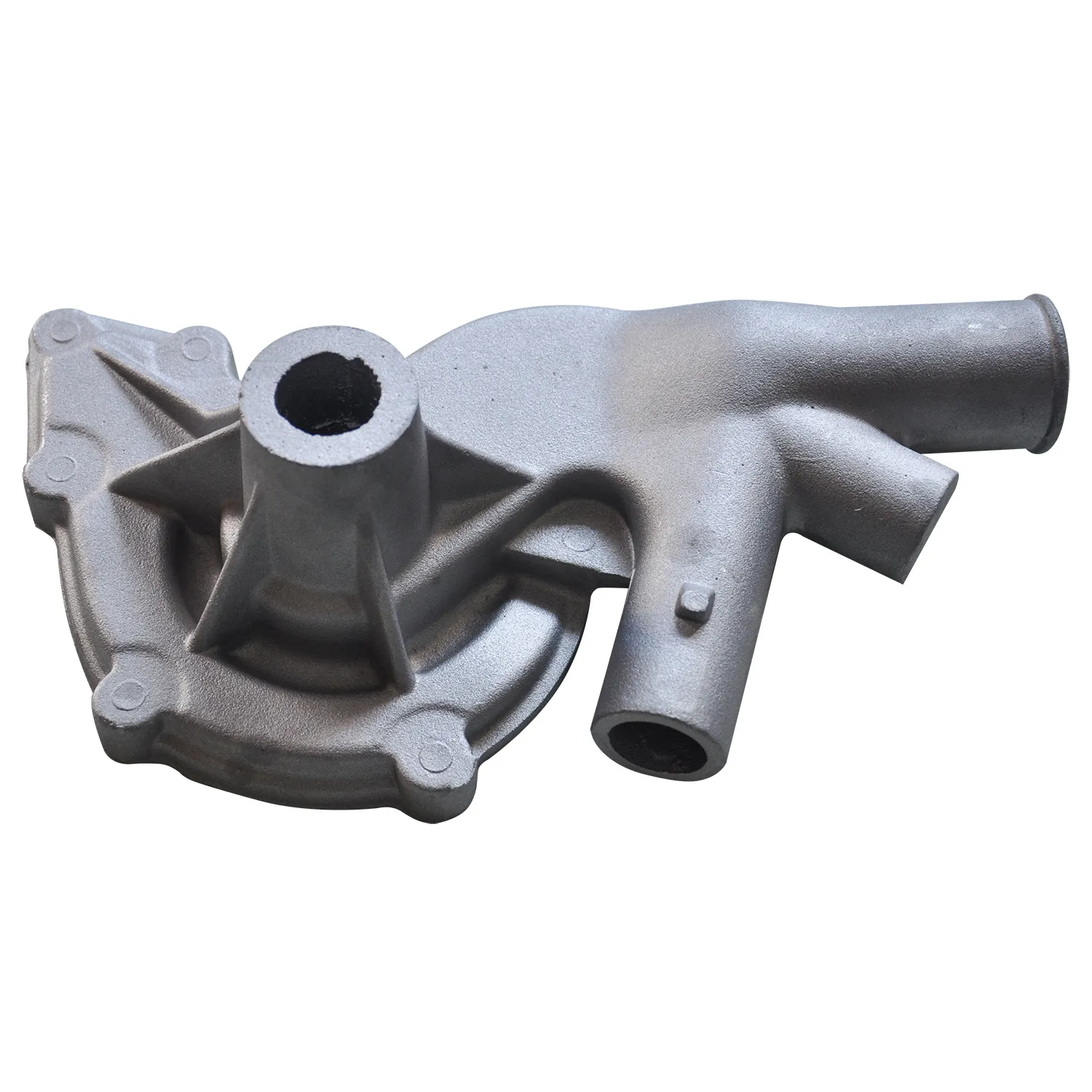
In terms of authoritativeness, industry standards and ongoing research support the application of 3-blade impellers for various tasks. Studies and feedback from industry professionals confirm their optimal performance in a range of challenging environments. The design principles and operational feedback inform each new iteration of impeller design, making them increasingly efficient and application-specific. Trust in these designs is further reinforced by certifications from bodies like the Hydraulic Institute and compliance with ISO standards, underscoring their reliability and operational effectiveness. Moreover, the adaptability of 3-blade impellers is a testament to their engineering excellence. They can be customized to meet particular application needs, whether it's altering blade angle, size, or curvature. This adaptability means that industries such as pharmaceutical, food processing, or petrochemical can tailor impeller specifications to optimize their unique processes, ensuring that the impellers do not just fit, but enhance their systems. In conclusion, choosing a 3-blade impeller goes beyond understanding its mechanical design. It requires an appreciation of its engineering intricacies, material science, and fluid dynamics. Engineers rely on a blend of scientific principles and practical experience to ensure these impellers perform optimally under various conditions, offering solutions that are both economical and robust. As technology advances, the role of these impellers in maximizing efficiency and minimizing operational costs will continue to grow, reinforcing their place as indispensable components in modern mechanical systems. The seamless operation of industries across the globe attests to the enduring trust and authority granted to this engineering marvel.
Next:
Latest news
-
Choosing an Engine Storage Crate Cover for Material and EnvironmentNewsNov.23,2026
-
Cylinder Head Chamber Buyers: Check the Casting Specification FirstNewsNov.17,2026
-
How Impeller Casting Manufacturers Match Material, Process and EquipmentNewsNov.15,2026
-
Valve body vs. intake air chamber: Which casting fits your assembly?NewsNov.02,2026
-
Air Intake Chamber FAQ: Specifications, Ordering and Support QuestionsNewsOct.28,2026
-
Motorcycle Accessories FAQ: Specifications, Ordering and Support QuestionsNewsOct.24,2026
Related PRODUCTS










