English

Mobile:+86-311-8081-2683
Email:info@ydcastings.com
English
3D-Printed Impeller Design and Performance Analysis for Enhanced Fluid Dynamics
The Three-Percent Blade Impeller Enhancing Efficiency in Fluid Mechanics
In the realm of fluid mechanics, the design and functionality of impellers play a crucial role in the efficiency of pumps and turbines. Among various designs, the concept of the 3% blade impeller has emerged as a significant innovation, promising enhanced performance and efficiency in fluid dynamics. This article delves into the design principles, advantages, and applications of the 3% blade impeller, highlighting its impact on various industries.
Understanding Impellers
An impeller is a rotating component of a centrifugal pump or a turbine, designed to increase the fluid's velocity and kinetic energy. Impellers are critical in transporting fluids and gases, and their efficiency directly affects the energy consumption and operational costs associated with moving these substances. Traditionally, impellers have been designed with varying blade geometries, angles, and numbers to optimize fluid flow performance.
The Concept of the 3% Blade Impeller
The term 3% blade impeller specifically refers to an impeller design that features blades optimized for creating enhanced fluid flow while minimizing energy losses. This design typically involves a three-percent increase in blade efficiency compared to conventional designs. The optimization is achieved through meticulous calculations and simulations aimed at improving the hydrodynamic profile of the blades.
Design Principles
The design of the 3% blade impeller is rooted in the principles of fluid dynamics and aerodynamics
. Key considerations include1. Blade Angle and Shape The angle at which the blades are positioned plays a vital role in altering the direction and speed of the fluid. The 3% design might incorporate a slight adjustment in blade angle for improved flow characteristics.
2. Blade Spacing Proper spacing between blades ensures that the fluid can move smoothly through the impeller, reducing turbulence and energy loss. The 3% design often focuses on optimizing this spacing to enhance performance.
3. Material Selection Lightweight and durable materials are chosen to promote robust performance while minimizing wear and tear. Advanced composites and alloys can be used to maximize strength-to-weight ratios.
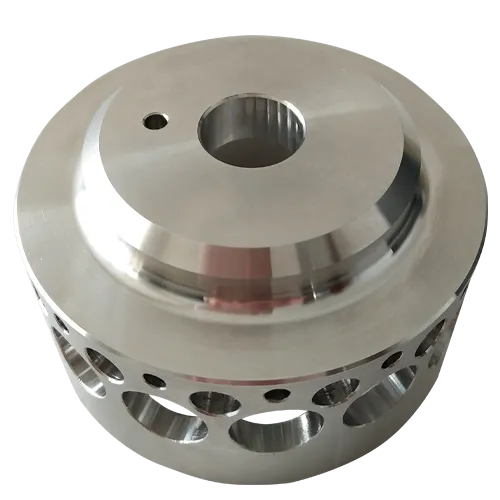
3 blade impeller
4. Surface Finish The surface finish of the blades can also impact efficiency significantly. A smoother finish reduces frictional resistance, thereby enhancing overall performance.
Advantages of the 3% Blade Impeller
1. Increased Efficiency The primary advantage of the 3% blade impeller is its potential to increase operational efficiency by reducing the energy required to achieve the same flow rate compared to traditional designs. This translates to lower operational costs for industries relying on pumping systems.
2. Reduced Energy Consumption With improved aerodynamics, the impeller can operate at optimal speeds for longer durations, leading to a significant reduction in energy consumption. This is particularly important in industries striving for sustainability and reduced carbon footprints.
3. Enhanced Performance The efficient design allows for higher flow rates and better performance under varying operating conditions. This flexibility makes the 3% blade impeller suitable for diverse applications, from wastewater treatment to chemical manufacturing.
4. Longer Lifespan Reduced wear and improved materials contribute to a longer lifespan of the impeller, decreasing maintenance costs and downtime for repairs or replacements.
Applications
The 3% blade impeller is applicable in numerous industries, including
- Water Treatment Efficiently moving water through filtration systems and treatment processes. - Chemical Processing Supporting the transport of various chemicals with minimal energy loss. - HVAC Systems Enhancing the performance of pumps and fans for heating and cooling applications. - Marine Applications Improving the performance of ships and submarines, where efficient propulsion is crucial.
Conclusion
The 3% blade impeller represents a significant advancement in the field of fluid mechanics, with its design focusing on boosting efficiency and performance across various applications. As industries continue to prioritize energy efficiency and sustainability, innovations like the 3% blade impeller are essential in meeting these demands. Future developments in this area may further refine impeller designs, leading to even more efficient and environmentally friendly fluid transport solutions.
-
Choosing an Engine Storage Crate Cover for Material and EnvironmentNewsNov.23,2026
-
Cylinder Head Chamber Buyers: Check the Casting Specification FirstNewsNov.17,2026
-
How Impeller Casting Manufacturers Match Material, Process and EquipmentNewsNov.15,2026
-
Valve body vs. intake air chamber: Which casting fits your assembly?NewsNov.02,2026
-
Air Intake Chamber FAQ: Specifications, Ordering and Support QuestionsNewsOct.28,2026
-
Motorcycle Accessories FAQ: Specifications, Ordering and Support QuestionsNewsOct.24,2026










