English

Mobile:+86-311-808-126-83
Email:info@ydcastings.com
English
3 4 copper pipe cap
Understanding 3% and 4% Copper Pipe Caps A Guide for Homeowners and Plumbers
Copper pipe caps are essential components in plumbing systems, serving as fittings that close off the ends of copper pipes. With a variety of specifications available in the market, two common sizes are the 3% and 4% copper pipe caps. Understanding their specifications, applications, and benefits can help homeowners and plumbers make informed decisions when selecting the right fitting for their plumbing projects.
What Are Copper Pipe Caps?
Copper pipe caps are fittings designed to fit onto the end of a copper pipe, sealing it and preventing the flow of fluids. They are typically used in plumbing, refrigeration, and even some HVAC systems. These caps help maintain the integrity of the plumbing system, preventing leaks that can occur if pipes are left open or if the ends are damaged.
The Significance of 3% and 4% Copper Pipe Caps
The numbers 3% and 4% may refer to specific tolerances or characteristics related to the manufacturing of these caps, referring to the percentage of copper content or potentially other parameters. In general, high-quality copper caps are made from copper alloys that ensure durability and resistance to corrosion.
1. Material Quality High-purity copper caps resist oxidation and corrosion better than lower quality options. This means they provide a longer lifespan, especially in environments where they are exposed to moisture or various chemicals.
2. Seal Integrity By effectively sealing the pipe ends, copper caps help to maintain the pressure within plumbing systems, which is essential for avoiding costly repairs due to leaks.
Applications of Copper Pipe Caps
3 4 copper pipe cap
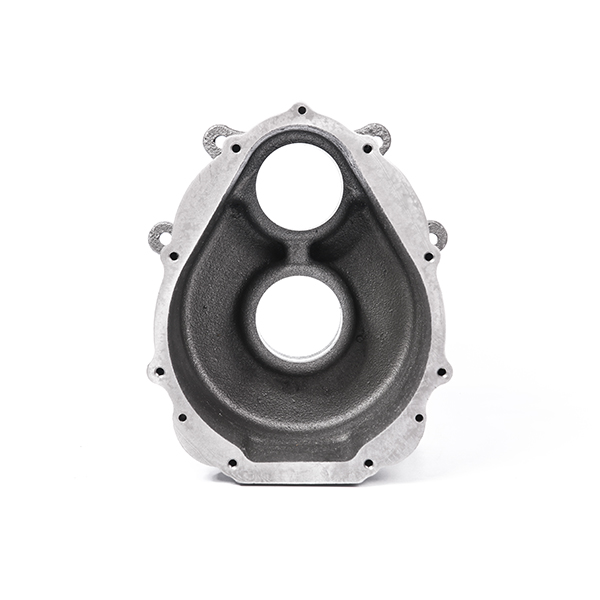
Copper pipe caps are widely used in various applications, including
- Residential Plumbing Homeowners often use caps to close off unused pipes in renovations or repairs. - Commercial Plumbing In large buildings, these caps may be used to secure piping systems, ensuring that they function properly and safely. - Refrigeration Systems Cooling systems often rely on copper piping, requiring reliable sealing to maintain efficiency and functionality.
Advantages of Copper Over Other Materials
1. Corrosion Resistance Copper is naturally resistant to corrosion, making it an ideal choice for plumbing applications where water and other fluids are present. 2. Longevity With proper installation and maintenance, copper fittings and caps can last for decades without the need for replacement.
3. Thermal Conductivity Copper is an excellent conductor of heat, which can be beneficial in certain applications, such as hot water systems.
Installation Tips
When installing copper pipe caps, it's essential to ensure that the pipe ends are clean and free of debris. A proper fit will help ensure a leak-free seal. Welding or soldering is typically used to attach the cap securely to the pipe. Homeowners should consider calling a professional plumber if they are unsure about performing the installation themselves, especially in complex plumbing systems.
Conclusion
In summary, 3% and 4% copper pipe caps are crucial components in plumbing systems, offering durability and reliability when sealing copper pipes. Their resistance to corrosion and longevity makes them a preferred choice for various applications. By understanding the significance of these fittings and how to use them effectively, homeowners and plumbers alike can ensure efficient plumbing systems that stand the test of time. Investing in quality copper fittings is an investment in a secure, leak-free future for any plumbing project.
-
Precision Valve Castings for Agricultural Irrigation and Fluid Control SystemsNewsMay.08,2026
-
Precision Impeller and Compressor Components for Agricultural MachineryNewsMay.08,2026
-
Essential Cast Components for Agricultural Machinery: Oil Management and Motor ProtectionNewsMay.08,2026
-
High-Performance Cast Components for Agricultural Machinery: From Cooling to Exhaust SystemsNewsMay.08,2026
-
Agricultural Valve Castings: Durable Flow Control Solutions for Farm Irrigation SystemsNewsMay.08,2026
-
High-Performance Agricultural Pump Components: Precision Castings for Reliable Farm OperationsNewsMay.08,2026