English

Mobile:+86-311-808-126-83
Email:info@ydcastings.com
English
32mm pipe end cap
Understanding 32mm Pipe End Caps A Comprehensive Guide
The world of plumbing, irrigation, and construction is rich with various components, one of which is the pipe end cap. Specifically, the 32mm pipe end cap is a widely used fitting in numerous applications. This article will explore the purpose, applications, materials, installation process, and advantages of 32mm pipe end caps, providing a thorough understanding of this essential component.
What is a 32mm Pipe End Cap?
A pipe end cap is a fitting designed to cover the end of a pipe, effectively sealing it. The 32mm designation refers to the nominal diameter of the pipe for which the end cap is intended. In plumbing systems, these end caps serve critical functions, providing both structural integrity and fluid containment.
Purpose and Applications
The primary purpose of a pipe end cap is to close off the end of a pipe, preventing the escape of fluids and maintaining pressure within the system. Furthermore, they protect the internal surfaces of pipes from debris and contaminants, minimizing the risk of clogs and corrosion.
Some common applications of 32mm pipe end caps include
1. Water Supply Systems Used in residential and commercial plumbing to seal off pipe ends when not in use or to terminate a line. 2. Irrigation Systems In agricultural settings, they are employed to close off lateral lines, ensuring that water pressure is maintained.
3. Heating Systems Used in underfloor heating circuits to cap off areas of the system that are not in operation.
4. Drainage Solutions During maintenance or construction, these caps may be utilized to block ends of drainage pipes temporarily.
Materials Used
32mm pipe end caps are manufactured from various materials, each offering unique benefits tailored to specific environments
- PVC (Polyvinyl Chloride) Lightweight, resistant to corrosion, and cost-effective, PVC end caps are popular in plumbing and irrigation.
- CPVC (Chlorinated Polyvinyl Chloride) Suitable for hot water applications, CPVC caps provide excellent thermal stability.
- Metal (e.g., Stainless Steel or Brass) These materials are favored in industrial settings due to their durability and resistance to extreme temperatures and pressures.
- HDPE (High-Density Polyethylene) Known for its flexibility and resistance to impact, HDPE is often used in outdoor applications
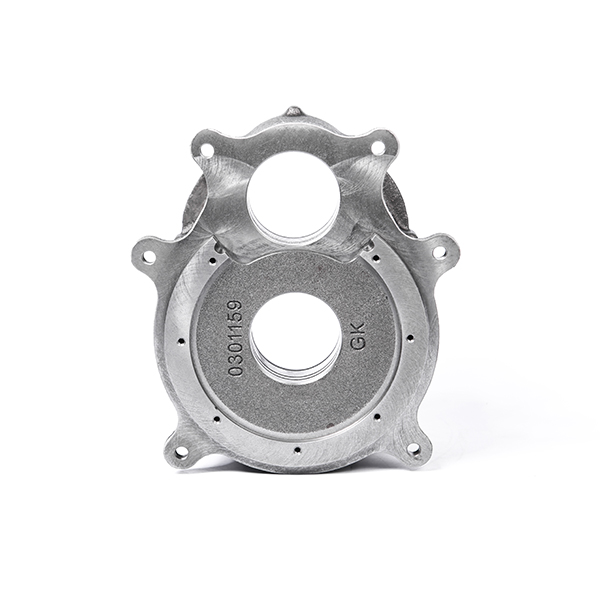
.32mm pipe end cap
Installation Process
Installing a 32mm pipe end cap is a straightforward task, suitable for both professionals and DIY enthusiasts. Here is a simplified step-by-step guide
1. Preparation Ensure the pipe is clean and free of debris. If needed, clean the end using a cloth or sandpaper.
2. Lubrication (if required) For certain materials, like PVC, apply a primer or lubricant to facilitate a snug fit.
3. Attaching the End Cap Fit the end cap onto the end of the pipe, ensuring a tight seal. If the system uses adhesive (commonly for PVC), apply it around the pipe’s edge before pressing the cap on.
4. Curing Time Allow sufficient time for any adhesives or sealants to cure as per manufacturer instructions.
5. Testing Once installed, pressurize the system gradually to check for leaks at the connection.
Advantages of Using 32mm Pipe End Caps
Utilizing a 32mm pipe end cap offers several advantages
- Leak Prevention By securely sealing the pipe ends, these caps minimize the risk of leaks, which can lead to costly water damage.
- Cost-Effective Solution They are relatively inexpensive compared to potential repair costs associated with leaks and damage caused by unsealed pipes.
- Versatility Available in various materials and designs, they can be used in numerous applications, from residential plumbing to industrial systems.
- Ease of Installation Their straightforward installation process makes them accessible for users with varying levels of plumbing experience.
Conclusion
In conclusion, the 32mm pipe end cap is a crucial component in various piping systems, offering efficient sealing, structural support, and protection against contaminants. Understanding its applications, materials, installation process, and benefits is vital for anyone involved in plumbing or related fields. Whether you are a seasoned plumber or a homeowner looking to tackle a project, knowing how to use pipe end caps effectively will enhance the reliability and efficiency of your plumbing system.
-
Advanced Manufacturing Technologies in Modern Industrial ProductionNewsMay.22,2026
-
Engine Oil Management Tools: Essential Solutions for Clean and Efficient Automotive MaintenanceNewsMay.22,2026
-
Car Water Pump Systems: Efficiency, Cleaning Applications, and Market OverviewNewsMay.22,2026
-
Industrial Valve Castings and Flow Control Solutions in Modern EngineeringNewsMay.22,2026
-
Aluminum End Caps and Compression Solutions: A Complete Guide for Modern ApplicationsNewsMay.22,2026
-
Precision Valve Castings for Agricultural Irrigation and Fluid Control SystemsNewsMay.08,2026