English

Mobile:+86-311-8081-2683
Email:info@ydcastings.com
English
2.5 inch pipe cap
Understanding the Importance of a 2.5-Inch Pipe Cap
In the world of plumbing and piping systems, the role of components like pipe caps often goes unnoticed. However, these seemingly simple fixtures play an essential role in ensuring the overall efficiency, safety, and longevity of various systems. Focusing specifically on the 2.5-inch pipe cap, this article aims to discuss its significance, applications, installation procedures, and material considerations.
What is a Pipe Cap?
A pipe cap is a fitting that is used to seal the end of a pipe, effectively closing it off from the adjacent environment. This action prevents the escape of substances being transported through the pipe, whether they are gases, liquids, or other materials. Pipe caps come in various sizes, and the 2.5-inch pipe cap is a popular choice for many applications due to its versatility and accommodating dimensions.
Applications of a 2.5-Inch Pipe Cap
The 2.5-inch pipe cap finds wide application across various fields
1. Plumbing Systems In residential and commercial plumbing, a 2.5-inch pipe cap can be used to seal off dead ends or to close unused outlets in a plumbing system, ensuring that water flow remains uninterrupted and preventing leaks.
2. Industrial Use In manufacturing plants and industrial settings, 2.5-inch pipe caps are commonly used to seal off pipes that carry different materials, including chemicals, oil, and gases. This sealing prevents contamination and maintains the integrity of the system.
3. HVAC Systems The heating, ventilation, and air conditioning (HVAC) industry also utilizes 2.5-inch pipe caps to close off ducts and piping, ensuring efficient airflow and preventing any loss of conditioned air within the system.
4. Oil and Gas In the oil and gas industries, these caps are utilized to protect the ends of pipes from external damage and to secure the contained substances during transportation and storage.
Installation Instructions
Installing a 2
.5-inch pipe cap is straightforward, but it requires attention to detail to ensure proper sealing and prevent future leaks. Here are the general steps for installation1. Preparation Before installation, ensure that the pipe end is clean and free of any debris or rust. This ensures a tight seal when the cap is fitted.
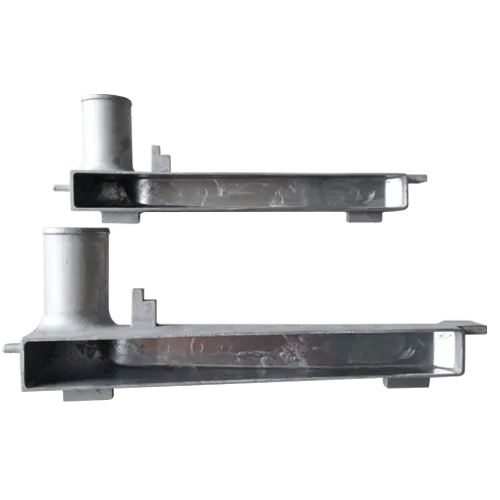
2.5 inch pipe cap
2. Selection of Adhesive Choose an appropriate adhesive or sealant if the pipe cap requires bonding. Ensure that the material is compatible with the substances that will traverse the pipe.
3. Fitting the Cap Place the cap securely over the end of the pipe, ensuring that it fits snugly. If using threads, engage the threads fully to achieve a tight fit.
4. Secure the Seal If you’re using a solvent cement or adhesive, apply it liberally to creating a secure bond. For threaded caps, use Teflon tape around the threads for additional sealing.
5. Curing Time Allow the bond to set according to the adhesive manufacturer’s instructions before applying any pressure or flow through the capped pipe.
Material Considerations
When selecting a 2.5-inch pipe cap, the choice of material is vital for its function and longevity of use. Common materials include
- PVC Lightweight and resistant to corrosion, PVC caps are ideal for residential plumbing applications, especially when dealing with water.
- Steel For heavier applications, such as in industrial settings or high-pressure systems, steel caps can provide the strength and durability needed.
- Stainless Steel This material is perfect for high-corrosion environments, providing both durability and resistance, making it a popular choice in food processing and chemical handling.
- Copper Used mainly in plumbing applications, copper caps provide excellent corrosion resistance and are often seen in residential water supply systems.
Conclusion
In summary, the 2.5-inch pipe cap is a critical component in various plumbing and piping systems, providing essential sealing capabilities that ensure efficiency and reliability. Understanding the applications, installation processes, and material properties of 2.5-inch pipe caps can lead to better decision-making when it comes to designing and maintaining piping systems. Whether in a residential building, an industrial site, or an HVAC environment, knowing how to effectively utilize pipe caps enhances the overall performance and safety of the network of pipes in question.
-
Choosing an Engine Storage Crate Cover for Material and EnvironmentNewsNov.23,2026
-
Cylinder Head Chamber Buyers: Check the Casting Specification FirstNewsNov.17,2026
-
How Impeller Casting Manufacturers Match Material, Process and EquipmentNewsNov.15,2026
-
Valve body vs. intake air chamber: Which casting fits your assembly?NewsNov.02,2026
-
Air Intake Chamber FAQ: Specifications, Ordering and Support QuestionsNewsOct.28,2026
-
Motorcycle Accessories FAQ: Specifications, Ordering and Support QuestionsNewsOct.24,2026










