English

Mobile:+86-311-8081-2683
Email:info@ydcastings.com
English
2.2 ecotec exhaust manifold
Understanding the 2.2% Ecotec Exhaust Manifold Performance and Efficiency
The performance of an engine is heavily influenced by its exhaust system, and one of the critical components within this system is the exhaust manifold. For the 2.2% Ecotec engine, the exhaust manifold plays a vital role in ensuring optimal engine performance and efficiency. Let's delve into what makes the Ecotec exhaust manifold distinct, its functions, and its benefits.
What is the Ecotec Engine?
The Ecotec engine family, developed by General Motors, stands out for its technological innovations and efficiency. The 2.2% Ecotec variant, specifically designed for compact and mid-size vehicles, combines performance with fuel economy. The engine itself is a four-cylinder, 2.2-liter power plant that offers a balance between power output and minimal emissions.
Function of the Exhaust Manifold
The exhaust manifold is the component that collects exhaust gases from the engine cylinders and directs them into the exhaust system. In the case of the 2.2% Ecotec, the manifold is engineered to optimize the flow of exhaust gases. A well-designed manifold reduces back pressure, which allows the engine to expel exhaust gases more efficiently. This enhances engine performance by improving throttle response and power output, while also contributing to better fuel economy.
Design and Materials
The Ecotec exhaust manifold is typically constructed from cast iron or stainless steel, materials chosen for their durability and resistance to thermal expansion. The design often features a tubular configuration that facilitates better airflow compared to traditional designs. This is crucial for maintaining efficient exhaust flow at various engine speeds. Furthermore, some variants may come with integrated heat shields to protect surrounding components and improve overall heat management.
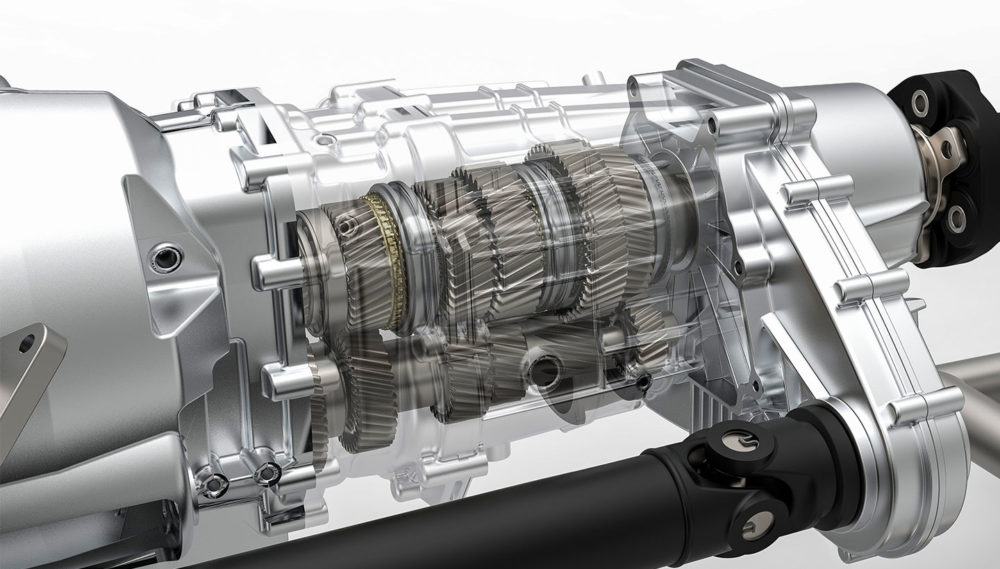
2.2 ecotec exhaust manifold
Performance Benefits
One of the primary advantages of the 2.2% Ecotec exhaust manifold is its ability to enhance overall engine performance. By streamlining exhaust flow, it minimizes the amount of residual gas that remains in the cylinders, thus improving combustion efficiency. Enhanced combustion directly translates to increased power output and better throttle response. Drivers notice improved acceleration, particularly in situations requiring quick bursts of speed, such as merging onto highways.
Moreover, an efficient exhaust manifold contributes to a reduction in engine noise. By managing how exhaust gases exit the engine, it can help mitigate unnecessary sound, delivering a quieter and more refined driving experience.
Environmental Impact
Alongside performance enhancements, the 2.2% Ecotec exhaust manifold plays a significant role in meeting emissions regulations. By facilitating better combustion and reducing unburned fuel output, it aids in minimizing harmful emissions. This is crucial in today’s automotive climate, where environmental standards are becoming increasingly stringent. An efficient exhaust system can help vehicles perform well while also being compliant with regulations aimed at reducing carbon footprints.
Conclusion
In summary, the 2.2% Ecotec exhaust manifold is a testament to the advancements in automotive engineering aimed at striking a balance between performance, efficiency, and environmental responsibility. Its thoughtful design and effective function contribute significantly to the capability of the Ecotec engine, enhancing the driving experience while also meeting modern emission standards. As vehicles continue to evolve, components like the exhaust manifold will remain central to achieving improved performance and sustainability in the automotive industry.
-
Choosing an Engine Storage Crate Cover for Material and EnvironmentNewsNov.23,2026
-
Cylinder Head Chamber Buyers: Check the Casting Specification FirstNewsNov.17,2026
-
How Impeller Casting Manufacturers Match Material, Process and EquipmentNewsNov.15,2026
-
Valve body vs. intake air chamber: Which casting fits your assembly?NewsNov.02,2026
-
Air Intake Chamber FAQ: Specifications, Ordering and Support QuestionsNewsOct.28,2026
-
Motorcycle Accessories FAQ: Specifications, Ordering and Support QuestionsNewsOct.24,2026










