English

Mobile:+86-311-8081-2683
Email:info@ydcastings.com
English
Feb . 15, 2025 22:09
Back to list
cap for pipe end
The 21.5 mm end cap is a small yet crucial component that plays an integral role across various industries, from automotive to electrical installations. Despite its unassuming size, the 21.5 mm end cap provides both structural and functional benefits, ensuring the longevity and reliability of the systems in which it is used. As an expert in SEO and industrial components, I aim to present an insightful look into the specifics of this essential product.
For professionals in electrical engineering, the 21.5 mm end cap is invaluable for cable management and component protection. It acts as an insulator that safeguards against potential electrical hazards by securely capping the ends of exposed wire casings or conduits. This function is crucial in preventing short circuits and electrical failures, thereby upholding safety standards and operational efficiency. As a result, these caps are a staple in both residential and commercial electrical installations. One cannot overlook the importance of size specificity with the 21.5 mm measurement, ensuring perfect compatibility with the tubular structures it covers. Manufacturers and suppliers provide them in diverse formats to fit varying standard diameters, reinforcing their versatility. For project managers and engineers, knowing that a component will snugly fit without the need for modifications streamlines installation processes and reduces time delays associated with ill-fitting parts. Procurement of the right 21.5 mm end cap involves a focus on quality and reputable suppliers that have consistently demonstrated their commitment to manufacturing excellence. Reputable suppliers often provide detailed specifications and compliance documentation, reflecting their adherence to industry standards. Potential buyers should prioritize vendors offering products that meet ISO certifications or are compliant with relevant engineering standards, ensuring reliability and trust in performance. Ultimately, the impact of the 21.5 mm end cap extends beyond its basic covering function. It embodies the principles of efficiency, safety, and practicality. Whether in industrial settings or DIY home projects, its role cannot be underestimated. As you explore options for your application needs, remember that the right end cap can enhance your project's durability and safety while maximizing functional efficiency.
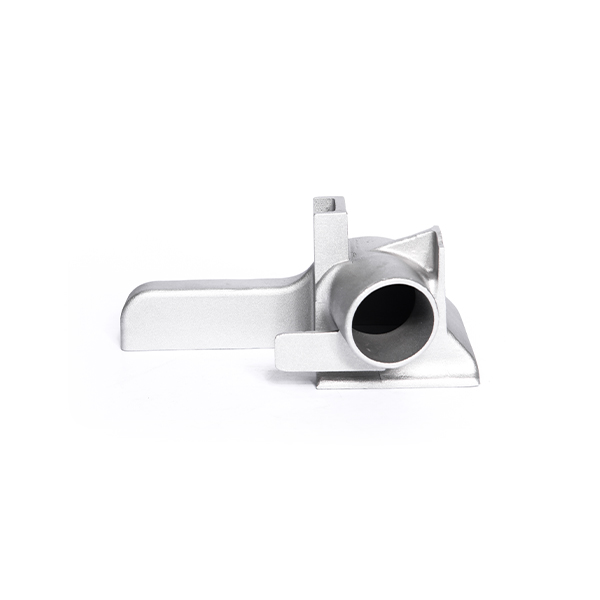
For professionals in electrical engineering, the 21.5 mm end cap is invaluable for cable management and component protection. It acts as an insulator that safeguards against potential electrical hazards by securely capping the ends of exposed wire casings or conduits. This function is crucial in preventing short circuits and electrical failures, thereby upholding safety standards and operational efficiency. As a result, these caps are a staple in both residential and commercial electrical installations. One cannot overlook the importance of size specificity with the 21.5 mm measurement, ensuring perfect compatibility with the tubular structures it covers. Manufacturers and suppliers provide them in diverse formats to fit varying standard diameters, reinforcing their versatility. For project managers and engineers, knowing that a component will snugly fit without the need for modifications streamlines installation processes and reduces time delays associated with ill-fitting parts. Procurement of the right 21.5 mm end cap involves a focus on quality and reputable suppliers that have consistently demonstrated their commitment to manufacturing excellence. Reputable suppliers often provide detailed specifications and compliance documentation, reflecting their adherence to industry standards. Potential buyers should prioritize vendors offering products that meet ISO certifications or are compliant with relevant engineering standards, ensuring reliability and trust in performance. Ultimately, the impact of the 21.5 mm end cap extends beyond its basic covering function. It embodies the principles of efficiency, safety, and practicality. Whether in industrial settings or DIY home projects, its role cannot be underestimated. As you explore options for your application needs, remember that the right end cap can enhance your project's durability and safety while maximizing functional efficiency.
Next:
Latest news
-
Choosing an Engine Storage Crate Cover for Material and EnvironmentNewsNov.23,2026
-
Cylinder Head Chamber Buyers: Check the Casting Specification FirstNewsNov.17,2026
-
How Impeller Casting Manufacturers Match Material, Process and EquipmentNewsNov.15,2026
-
Valve body vs. intake air chamber: Which casting fits your assembly?NewsNov.02,2026
-
Air Intake Chamber FAQ: Specifications, Ordering and Support QuestionsNewsOct.28,2026
-
Motorcycle Accessories FAQ: Specifications, Ordering and Support QuestionsNewsOct.24,2026
Related PRODUCTS










