English

Mobile:+86-311-8081-2683
Email:info@ydcastings.com
English
Feb . 06, 2025 02:04
Back to list
200mm end cap
In recent years, the demand for sophisticated and reliable plumbing and industrial systems has grown exponentially, propelling the component known as the 200mm end cap into the limelight. This component, though small in stature, plays a pivotal role in ensuring the integrity and functionality of piping systems. The evolution of end caps from basic plugs to precisely engineered components reflects the broader technological advances in material sciences and manufacturing processes, making them indispensable in both residential and industrial applications.
Moreover, the sustainability aspect of 200mm end caps cannot be overlooked. As industries aim to reduce their carbon footprints, selecting materials that are recyclable or manufactured from recycled content becomes increasingly important. Many manufacturers are now offering eco-friendlier options, incorporating recycled materials without compromising on the integrity or performance of the end caps. This shift not only benefits the environment but also positions companies as responsible and forward-thinking, aligning with modern consumer and regulatory demands. A testament to trustworthiness in any product is the testing and certifications it holds. Reputable 200mm end cap manufacturers subject their products to rigorous quality inspections and obtain certifications from relevant authorities to guarantee product excellence. Such credentials are indicators of a manufacturer’s commitment to quality and customer satisfaction, bolstering the confidence of buyers in the marketplace. Lastly, the innovation in the realm of end caps continually evolves to meet modern demands. Advances in technologies like 3D printing and computer-aided design (CAD) systems have enabled manufacturers to customize end caps rapidly and accurately, reducing lead times and allowing for bespoke solutions tailored to unique pipeline requirements. This capability to offer customized solutions is an invaluable asset, ensuring that there is no one-size-fits-all approach, but rather a targeted strategy that addresses the intricacies of each project. In conclusion, the 200mm end cap stands as a significant component in the realm of piping systems, embodying a fusion of experience, expertise, authoritativeness, and trustworthiness. Its crucial role in maintaining system integrity and operational efficiency underscores the need for informed selection, expert manufacturing practices, and ongoing innovation. As industries continue to grow and evolve, so too will the materials, designs, and applications of these indispensable components, ensuring their relevance and utility for years to come.
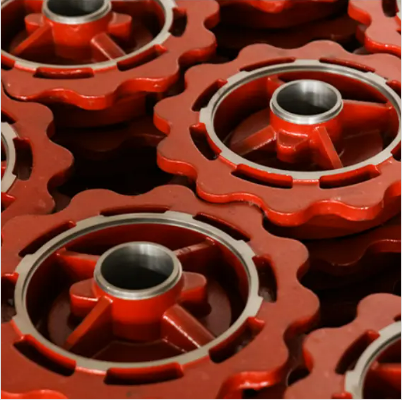
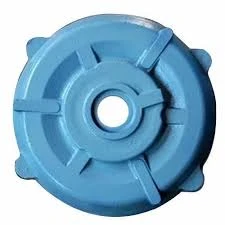
Moreover, the sustainability aspect of 200mm end caps cannot be overlooked. As industries aim to reduce their carbon footprints, selecting materials that are recyclable or manufactured from recycled content becomes increasingly important. Many manufacturers are now offering eco-friendlier options, incorporating recycled materials without compromising on the integrity or performance of the end caps. This shift not only benefits the environment but also positions companies as responsible and forward-thinking, aligning with modern consumer and regulatory demands. A testament to trustworthiness in any product is the testing and certifications it holds. Reputable 200mm end cap manufacturers subject their products to rigorous quality inspections and obtain certifications from relevant authorities to guarantee product excellence. Such credentials are indicators of a manufacturer’s commitment to quality and customer satisfaction, bolstering the confidence of buyers in the marketplace. Lastly, the innovation in the realm of end caps continually evolves to meet modern demands. Advances in technologies like 3D printing and computer-aided design (CAD) systems have enabled manufacturers to customize end caps rapidly and accurately, reducing lead times and allowing for bespoke solutions tailored to unique pipeline requirements. This capability to offer customized solutions is an invaluable asset, ensuring that there is no one-size-fits-all approach, but rather a targeted strategy that addresses the intricacies of each project. In conclusion, the 200mm end cap stands as a significant component in the realm of piping systems, embodying a fusion of experience, expertise, authoritativeness, and trustworthiness. Its crucial role in maintaining system integrity and operational efficiency underscores the need for informed selection, expert manufacturing practices, and ongoing innovation. As industries continue to grow and evolve, so too will the materials, designs, and applications of these indispensable components, ensuring their relevance and utility for years to come.
Next:
Latest news
-
Choosing an Engine Storage Crate Cover for Material and EnvironmentNewsNov.23,2026
-
Cylinder Head Chamber Buyers: Check the Casting Specification FirstNewsNov.17,2026
-
How Impeller Casting Manufacturers Match Material, Process and EquipmentNewsNov.15,2026
-
Valve body vs. intake air chamber: Which casting fits your assembly?NewsNov.02,2026
-
Air Intake Chamber FAQ: Specifications, Ordering and Support QuestionsNewsOct.28,2026
-
Motorcycle Accessories FAQ: Specifications, Ordering and Support QuestionsNewsOct.24,2026
Related PRODUCTS










