English

Mobile:+86-311-8081-2683
Email:info@ydcastings.com
English
2 inch 201 stainless steel pipe cap specifications and applications for industrial uses
Understanding 2% 201% 202% Pipe Cap An In-Depth Analysis
In the realm of industrial piping and construction, the term pipe cap refers to a fitting used to seal the end of a pipe, providing a practical solution for maintaining fluid integrity and preventing contamination. When we consider metrics such as 2% 201% 202% in conjunction with a pipe cap, we may find ourselves delving into areas of material properties, dimensional specifications, and industry standards that govern the production and use of these fittings. This article aims to explore the significance of the pipe cap while elucidating the implications of the 2%, 201%, and 202% specifications.
Pipe Cap Basics
A pipe cap is essentially a type of closure that can be used on various types of pipes, including those found in water supply systems, oil and gas distribution, and chemical transport. The primary purpose of a pipe cap is to seal off a pipeline. This is crucial for several reasons
1. Preventing Leakage A proper seal prevents the loss of liquid or gas, protecting valuable resources and ensuring safety. 2. Contamination Prevention Sealing the ends of pipes keeps contaminants from entering the system, which is especially important in industries like pharmaceuticals and food processing. 3. System Maintenance Pipe caps allow for easier maintenance by isolating sections of a pipeline when repairs or cleaning are necessary.
Analyzing 2% 201% 202%
The terms 2%, 201%, and 202% can imply various specifications that may be relevant in different contexts. These percentages may refer to factors like tolerances, material composition, or percentage of a certain feature related to the pipe cap's design and structural integrity.
1. 2% Variation In engineering, a 2% variation might indicate tolerance in the size or thickness of the pipe cap. This is particularly crucial when a perfect fit is necessary for optimal performance. If, for example, a pipe cap has a nominal diameter of 6 inches, a 2% variation would allow a deviation of 0.12 inches, ensuring it can fit a range of pipe sizes.
2. 201% and 202% Properties While less common, percentages like 201% and 202% could represent different design strengths or load capacities. In material science, the properties of a fitting are typically assessed under various stress scenarios. A pipe cap designed to handle higher pressures might be classified as 201%, indicating its capability to withstand significant internal stress or external load.
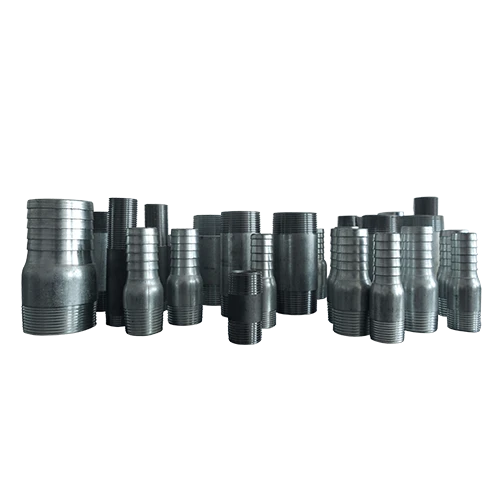
2 1 2 pipe cap
Material Considerations
Pipe caps are commonly made from various materials, such as steel, plastic, and copper, each serving specific applications. The choice of material can significantly influence performance characteristics. For example
- Steel Caps Often used in high-pressure applications due to their robustness. - Plastic Caps Ideal for corrosive environments where chemical resistance is crucial. - Copper Caps Commonly used in plumbing systems, particularly in residential applications.
In the context of our discussed percentages, the selected material can play a role in determining the efficacy of the cap, particularly with respect to tolerances and capacity ratings.
Standards and Codes
The production and use of pipe caps must adhere to industry standards, such as those set by the American National Standards Institute (ANSI) and the American Society for Testing and Materials (ASTM). These standards ensure that pipe caps are manufactured to specifications that guarantee safety and reliability.
For instance, certain applications may require pipe caps to meet specified mechanical properties, such as yield strength and tensile strength. The percentages indicated could also relate to standards that define the minimum acceptable performance characteristics of a pipe cap.
Conclusion
The significance of pipe caps in industrial applications cannot be understated. Understanding the implications behind terms like 2% 201% 202% sheds light on the engineering complexity and precision required in designing these essential fittings. Pipe caps not only serve a practical purpose but also highlight the critical intersection of engineering standards, material science, and safety regulations within the piping industry. As industries continue to evolve, the design and specification of pipe caps will likely advance, ensuring they meet the ever-growing demands for efficiency and integrity in fluid and gas transportation.
-
Choosing an Engine Storage Crate Cover for Material and EnvironmentNewsNov.23,2026
-
Cylinder Head Chamber Buyers: Check the Casting Specification FirstNewsNov.17,2026
-
How Impeller Casting Manufacturers Match Material, Process and EquipmentNewsNov.15,2026
-
Valve body vs. intake air chamber: Which casting fits your assembly?NewsNov.02,2026
-
Air Intake Chamber FAQ: Specifications, Ordering and Support QuestionsNewsOct.28,2026
-
Motorcycle Accessories FAQ: Specifications, Ordering and Support QuestionsNewsOct.24,2026










